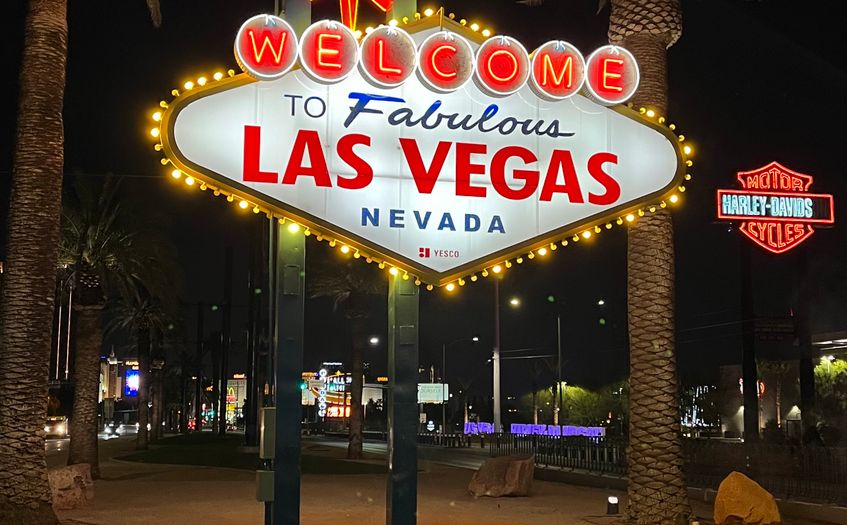
The world of gambling has never moved faster. In the past twelve months, global online wagering grew by double‑digit percentages, and the number of active players surpassed the combined footfall of the biggest Las Vegas resorts. That surge is not just a pandemic‑induced blip; it reflects a structural shift toward digital experiences that can be accessed from a smartphone in a coffee shop or from a living‑room couch after a long workday.
For decades the industry has been defined by a rivalry between glittering casino floors and the nascent world of internet gaming. The tension between the two models fuels constant innovation, and the balance is now tipping in favor of the online side. Readers who want a quick overview of the ecosystem can start by exploring reputable online casinos, a portal that aggregates licensed operators and offers guidance on safe play.
In this article we will compare technology, player experience, regulation, and economics, while paying special attention to the live‑dealer format that is blurring the line between a physical casino and its digital counterpart. Expect concrete examples, a comparison table, and a forward‑looking look at the trends that will shape the next decade of gambling.
Technological Edge: From Slots to AI‑Driven Personalisation
The software platforms that power today’s casino slots have evolved from simple reel‑spinners to sophisticated ecosystems built on cloud architecture. Modern providers such as NetEnt, Evolution and Pragmatic Play deliver games that load in milliseconds, support high‑definition graphics, and automatically adjust to a player’s device—whether it’s an iPhone, Android tablet, or desktop PC.
Real‑time data analytics sit at the heart of this evolution. Every spin, bet, and session is logged, allowing AI engines to analyse volatility preferences, wagering patterns, and even the time of day a player is most active. The result is a personalised game carousel that surfaces high‑RTP titles like “Gonzo’s Quest” when a user favors low‑variance slots, or pushes a “welcome bonus” of 200 % up to $1,000 for newcomers who have shown a propensity for high‑stakes blackjack.
Mobile optimisation is another decisive advantage. A player in Jakarta can join a live‑dealer baccarat table with a single tap, while a land‑based casino must rely on its fixed footprint, limited parking, and opening hours. The digital model eliminates geographic constraints, enabling operators to serve millions of concurrent users without the need for additional square footage.
| Feature | Brick‑and‑Mortar | Digital Casino |
|---|---|---|
| Game variety | 200–300 titles | 2,500+ titles |
| RTP average | 92–95 % | 96–98 % |
| Minimum bet | $10–$20 | $0.10–$5 |
| Accessibility | Physical travel required | 24/7 on any device |
| Personalisation | Limited (loyalty cards) | AI‑driven recommendations |
The Rise of Live‑Dealer Games: Bringing the Floor to the Screen
Live‑dealer tables emerged as a response to the desire for authentic casino ambience without leaving home. The first streamed blackjack rooms appeared in 2015, using a modest studio and a single camera. Today, operators run multi‑camera studios in Malta, Gibraltar and even New York, delivering ultra‑HD streams that capture every shuffle, chip drop, and dealer smile.
Production quality rivals television broadcasts. High‑definition (4K) cameras, crystal‑clear audio, and real‑time chat windows let players tip the dealer, ask for game explanations, or simply exchange banter with strangers at the virtual table. The interactivity extends to side‑bets and customisable betting limits, making the experience feel as fluid as a physical floor.
Integration with VR & AR
The next frontier is immersive technology. Early pilots use VR headsets to place a player inside a 3‑D replica of a Monte Carlo casino, where they can walk to a roulette wheel, pick up a virtual chip, and watch the ball spin in real time. AR overlays, meanwhile, allow a smartphone user to project a live dealer onto their coffee table, blending the tactile feel of a physical environment with the convenience of streaming.
Regulatory safeguards
Live‑dealer games raise unique compliance questions. While traditional RNG‑based slots rely on algorithmic fairness, live tables depend on human dealers and physical cards. Regulators therefore require dual verification: a certified RNG to shuffle virtual decks in the background, and independent auditors to monitor the video feed for tampering. In jurisdictions such as the UK and Malta, operators must submit daily logs and video recordings to licensing bodies, ensuring that the dealer’s actions match the software’s outcomes.
Economic Advantages for Players and Operators
Operating a brick‑and‑mortar casino involves massive overhead: property taxes, utilities, staff salaries, security, and the constant need to refresh the gaming floor. Digital operators replace most of those costs with server maintenance, licensing fees, and marketing spend. The savings cascade down to the player in the form of larger welcome bonuses, lower table minimums, and higher payout percentages.
For example, a new player in the United Kingdom might receive a £100 “welcome bonus” that doubles the first deposit, while a comparable land‑based casino would only offer a complimentary drink and a modest match on a single table. Moreover, the opportunity cost of traveling to a casino—flights, hotels, meals—can easily exceed $500 for a weekend trip, whereas an online session costs only the wager itself.
Operators benefit from diversified revenue models. Subscription‑based VIP clubs grant members exclusive tournaments and faster withdrawals for a monthly fee. Rake structures on poker rooms and micro‑transactions for cosmetic upgrades (e.g., custom dealer avatars) add incremental income streams without raising the house edge. This flexibility allows digital platforms to stay profitable even when player volume fluctuates.
Geographic Freedom and Market Expansion
Online gambling platforms are not bound by the brick‑and‑mortar model of a single location. With appropriate licensing, a single operator can serve players in dozens of jurisdictions, tailoring language, currency, and payment methods to each market. This geographic freedom has opened doors in regions where traditional casinos never existed.
In Southeast Asia, for instance, the rise of “online casino Malaysia” portals has attracted millions of players who previously relied on informal betting circles. Operators partner with local e‑wallet providers, offering instant deposits in Ringgit and localized promotions that respect cultural holidays. Similarly, Latin America has seen a surge in mobile‑first casinos that accept local debit cards and cash‑out via QR codes, bypassing the need for physical banking infrastructure.
The COVID‑19 pandemic accelerated this migration. Travel restrictions forced many regular casino‑goers to seek alternatives, and the habit persisted even after borders reopened. Data from industry observers shows a 35 % increase in cross‑regional player registrations between 2020 and 2023, underscoring the lasting impact of the pandemic on market dynamics.
Security, Fairness, and Trust: Modern Safeguards
Digital casinos invest heavily in cybersecurity to protect both funds and personal data. End‑to‑end encryption (AES‑256) secures all transactions, while two‑factor authentication (2FA) adds a layer of identity verification. Responsible‑gaming tools—deposit limits, self‑exclusion timers, and real‑time activity logs—help operators meet regulatory obligations and foster player trust.
Third‑party auditors such as eCOGRA and iTech Labs regularly test game code for fairness, publishing certificates that players can verify on the operator’s website. A newer development is blockchain‑based provable‑fairness, where each spin’s seed is recorded on an immutable ledger, allowing users to audit the outcome themselves.
Live‑dealer transparency is reinforced by continuous video monitoring and independent RNG verification, as mentioned earlier. By contrast, cash‑heavy brick‑and‑mortar venues face challenges like counterfeit chips, insider collusion, and physical security breaches, which are harder to detect and mitigate in real time.
Social Interaction and Community Building
One criticism of online gambling has been its perceived isolation. Modern platforms counter this with robust social features. Chat rooms attached to each table let players discuss strategy, celebrate wins, or simply exchange jokes. Leaderboards track cumulative winnings across games, and weekly tournaments create a competitive atmosphere that mirrors a casino’s high‑stakes floor.
Live‑dealer tables act as hybrid social hubs. Players can see the dealer’s facial expressions, hear the shuffle, and type messages that appear on the screen for everyone at the table. This blend of visual presence and digital convenience nurtures a sense of community that pure RNG slots often lack.
Influencers and affiliate networks also shape player communities. Streamers on Twitch and YouTube regularly showcase live‑dealer sessions, offering promo codes that grant followers a “welcome bonus” or free spins. While these partnerships drive traffic, they also provide newcomers with a familiar face to guide them through the platform’s features.
Regulatory Landscape: Where the Two Worlds Diverge
Licensing regimes for online and land‑based casinos differ markedly. Physical venues typically obtain a single regional license, subject to local gambling commissions and strict zoning laws. Online operators must secure a jurisdictional licence (e.g., Malta Gaming Authority, UK Gambling Commission) and often need additional approvals to serve each country where they accept players.
In the United States, the trend is state‑by‑state legalisation. New Jersey, Pennsylvania and Michigan have opened their markets to regulated online casinos, while others remain closed. This patchwork creates opportunities for operators to target specific states with tailored promotions, but also requires complex compliance infrastructure.
The European Union is moving toward harmonisation, with proposals that would standardise player protection measures and tax regimes across member states. Live‑dealer offerings are prompting regulators to rethink definitions of “casino” versus “gaming‑as‑a‑service,” leading to new categories that blend traditional licensing with streaming‑media rules.
Future Trends: AI, Metaverses, and Hybrid Casino Hubs
Predictive AI dealers are already in prototype stages. By analysing a player’s betting rhythm, these virtual croupiers can adjust their speech cadence, offer personalised tips, and even modulate game difficulty to maintain engagement without compromising fairness. The technology promises a seamless blend of human‑like interaction and algorithmic precision.
The metaverse represents the most ambitious vision: a fully 3‑D casino city where users, represented by avatars, walk through virtual lounges, place chips on holographic tables, and collect NFTs that represent exclusive bonuses or collectible dealer skins. Assets earned in the metaverse could be transferred to traditional accounts, creating a bridge between digital collectibles and real‑world cash.
Hybrid venues are also emerging. Some brick‑and‑mortar resorts are constructing massive streaming studios on site, allowing them to broadcast live‑dealer tables directly from their casino floor. Players worldwide can then experience the ambience of a physical casino while the operator benefits from the scalability of online distribution.
Player Experience: Convenience vs. Atmosphere
The convenience of digital play is undeniable. Instant access, 24/7 availability, and the ability to switch between games with a click save time and eliminate travel hassles. A player can log in during a lunch break, place a $10 wager on “Starburst” slots, and collect winnings within minutes—something impossible on a physical floor.
Yet the sensory richness of a brick‑and‑mortar casino remains compelling. The clink of chips, the low hum of slot machines, the tactile feel of a dealer’s hand sliding a card across the table—these cues trigger dopamine responses that many players associate with excitement. Live‑dealer technology narrows this gap by delivering high‑definition video, real‑time audio, and interactive chat, but the physical presence of a crowd and the aroma of a casino lounge are still hard to replicate fully.
The future will likely see a convergence: digital platforms will continue to enhance convenience, while live‑dealer and immersive technologies will strive to capture the atmosphere that keeps players returning to the floor.
Conclusion
Digital casinos have secured a decisive edge through superior technology, economic efficiency, and global reach. Live‑dealer games act as the pivotal bridge, delivering the social and sensory elements of a traditional casino within an online framework. As AI, VR, and the metaverse mature, the industry will increasingly converge, with online platforms leading the evolution while preserving the timeless allure of the casino floor. Players can expect a future where the click of a mouse feels as thrilling as the spin of a roulette wheel, and where the line between brick‑and‑mortar and digital blurs into a single, seamless gaming experience.
For further reading on reputable platforms and safe gambling practices, you may consult the Covid19Mobility website, which offers a curated list of resources and links to licensed operators.
Covid19Mobility also provides general guidance on navigating online gambling responsibly, without endorsing any specific casino.
Visit Covid19Mobility to explore additional tools that can help you stay informed while enjoying the next generation of casino entertainment.