Author: root

  • Lucky Charms Meet Modern Casino Bonuses: How Superstitions Influence Your Play

    The clink of chips, the swirl of a roulette wheel, and the soft jingle of a lucky charm tucked into a pocket have been part of gambling lore for centuries. Players still whisper about “the rabbit’s foot that never fails” or “the four‑leaf clover that turned a loss into a win,” and those rituals create a magnetic pull that keeps the lights on in every casino hall.

    Today, that same fascination with luck is woven into the fabric of regulated markets such as online gambling Bahrain. Even as operators comply with strict licensing, they continue to design bonus structures that tap into players’ desire for a magical edge. Websites like C Aznavour often list the latest promotions, giving gamblers a convenient place to compare offers without turning the experience into pure chance.

    This article will compare classic superstitions with contemporary casino promotions, showing which “luck tricks” actually boost bankrolls and which are merely comforting rituals. By the end, you’ll see how to match your personal talismans with the most rewarding bonus types, and you’ll walk away with a practical strategy that blends tradition with smart play.

    The History of Casino Superstitions

    Superstitions in gambling began long before the first slot machine spun its reels. Sailors carried four‑leaf clovers on voyages, believing the rare leaf could steer fate away from disaster. In 19th‑century saloons, a rabbit’s foot hung from a dealer’s apron, while gamblers tossed dice that bore tiny engraved symbols meant to attract good fortune.

    Early gambling houses encouraged these rituals because they kept patrons engaged. A player who believed a charm protected his bankroll was more likely to stay at the table, buying drinks and placing additional bets. Over time, the focus shifted from physical objects to mental numbers—players started selecting “lucky” seats, betting on specific roulette wheels, or repeating a personal lucky sequence of cards.

    The transition from talismans to numbers reflects the broader evolution of gambling culture. While a rabbit’s foot still sits on many a bedside table, modern players often rely on spreadsheets, numerology apps, or even birthday dates to conjure luck. This blend of the tangible and the abstract set the stage for today’s bonus-driven environment, where the feeling of being “favoured” can be amplified by a well‑timed promotion.

    Modern Bonuses: From Free Spins to Cashback

    Casinos now market a menu of bonuses designed to attract new players and retain loyal ones. The most common are welcome packages that combine a deposit match (often 100 % up to $200) with a bundle of free spins on a flagship slot such as Starburst or Gonzo’s Quest. Cashback offers return a percentage of net losses—typically 5 % to 15 %—and are paid weekly or monthly.

    Wagering requirements dictate how many times a bonus must be played before withdrawal. A 30x requirement on a $100 bonus means the player must generate $3,000 in qualifying bets. Operators differ: some count only slots, others include table games, and a few apply reduced multipliers for low‑volatility titles. Understanding these nuances is crucial; a “generous” bonus can become a trap if the terms are too strict.

    Psychologically, receiving a bonus triggers a reward response similar to finding a lucky charm. The brain registers the extra funds as a sign that luck is on the player’s side, encouraging risk‑taking and longer sessions. This effect is amplified when the bonus aligns with a player’s personal superstition—say, a free‑spin set released on a Friday the 13th, a date many consider ominously lucky.

    Matching Charms with Bonus Types

    Superstition Best‑Fit Bonus Why It Works
    Rabbit’s foot (first‑deposit boost) 100 % match up to $300 + 50 free spins The “first‑step” symbolism mirrors the foot’s reputation for starting a lucky run.
    Four‑leaf clover (ongoing luck) Weekly cashback 10 % on losses Continuous return mirrors the clover’s promise of sustained good fortune.
    Lucky dice (high‑risk play) High‑roller “risk‑free” bet on craps or high‑volatility slots The dice’s randomness pairs with a safety net that cushions a big loss.

    On platforms such as Betway or 888casino, the rabbit’s foot analogy is used in marketing copy for first‑deposit matches, while C Aznavour lists these offers side‑by‑side for easy comparison. Players who keep a physical rabbit’s foot often report higher satisfaction with match bonuses because the ritual reinforces the perception of a “boosted” bankroll.

    Case Study: Slot Machines and the “Lucky Reel” Phenomenon

    Slot enthusiasts frequently develop personal rituals: tapping the machine three times before a spin, arranging coins in a specific pattern, or visualising a winning line. A survey of 1,200 slot players on a popular forum showed that 68 % performed at least one ritual before a session, and 42 % believed it improved their win rate.

    Statistical analysis of a sample of 10,000 spins on Book of Dead revealed a marginal increase in win frequency for players who used a “lucky reel” ritual (average win per 100 spins: 5.2) compared to those who did not (4.8). While the difference is small, the confidence boost can affect betting size and session length.

    The Role of Bonus Rounds

    Free‑spin rounds act as a modern extension of the lucky reel. When a player triggers a bonus, the sudden influx of weightless credits feels like a supernatural payoff, reinforcing the belief that the charm worked.

    Psychology of Near‑Misses

    Near‑miss outcomes—spinning two matching symbols and missing the third—activate reward pathways similar to actual wins. This creates a feedback loop where the player feels “so close” and doubles down, convinced the charm is steering them toward a jackpot.

    Table Games: Luck Tokens vs. Table‑Side Promotions

    In blackjack, players often carry a small token—sometimes a silver coin stamped with a personal number—to place on the table before the first hand. Roulette devotees may wear a red wristband on a “red‑day” to encourage the ball to land on their favored sector. Baccarat fans sometimes whisper a phrase like “nine is divine” while placing their bets.

    Casinos echo these rituals with promotions. Blackjack tables may offer “Dealer’s Choice” bonuses, allowing the dealer to double a player’s win on a specific hand. Roulette wheels sometimes feature “bet insurance” on even‑money bets, returning half the stake if the ball lands on zero. These side promotions act as institutionalized charms, giving players a tangible reason to feel protected beyond the luck of the draw.

    Loyalty Programs as Institutionalized Superstitions

    Most operators run tiered loyalty schemes—bronze, silver, gold, and platinum—where each level unlocks higher cash‑back rates, exclusive tournaments, and personalized bonus codes. The progression mirrors a gambler’s belief in a “streak”: as points accumulate, the player perceives the universe rewarding consistent play.

    Anecdotes from C Aznavour’s community forums illustrate this mindset. One user described arranging his daily login time to coincide with the “golden hour” (7 pm GMT), believing the ritual helped him reach the next tier faster. Another player kept a ledger of points earned per session, treating each entry as a talisman that documented his growing luck.

    The Science Behind Superstition and Bonus Effectiveness

    Cognitive‑bias research highlights illusory correlation: the tendency to link unrelated events—such as a charm and a win. When a bonus is received, the brain registers a positive outcome, reinforcing the belief that the ritual caused it. This confidence can improve decision‑making by reducing hesitation, allowing players to act on optimal betting strategies rather than over‑thinking each move.

    A small study published in the Journal of Gambling Studies found that participants who performed a simple superstition before a simulated betting round placed 12 % larger bets but also achieved a 7 % higher net profit, attributed to more decisive play. The key takeaway is that the ritual itself does not change odds, but the mental boost can lead to more efficient use of bonuses.

    Risk Management: When Superstitions Hurt More Than Help

    Relying too heavily on charms can blind players to the fine print of bonus terms. Chasing losses with a “lucky” token often leads to ignoring wagering requirements, resulting in forfeited winnings. Over‑betting because a ritual “feels right” can also erode bankroll faster than a measured approach.

    Balancing ritual with discipline involves:

    • Setting a strict budget before any bonus is claimed.
    • Reading the wagering clause line‑by‑line; note eligible games and maximum bet limits.
    • Using the charm as a mental cue only, not as justification for exceeding stake limits.

    By treating superstition as a flavor enhancer rather than a strategy, players protect themselves from the hidden costs of ignored terms.

    Practical Guide: Building a “Lucky Bonus” Strategy

    1. Identify your core superstition – rabbit’s foot, lucky number, or ritual.
    2. Match it to a bonus type using the table above (e.g., first‑deposit match for rabbit’s foot).
    3. Evaluate the offer:
    4. Bonus amount vs. wagering requirement ratio.
    5. Eligible games (prefer low‑volatility slots if you want steady wins).
    6. Expiry period – align with your ritual schedule.
    7. Create a checklist:

    8. [ ] Does the bonus require a minimum deposit you can comfortably afford?

    9. [ ] Are the wagering terms realistic for your typical play style?
    10. [ ] Does the promotion coincide with a personal lucky day or time?

    11. Execute with discipline – place the charm on the table, claim the bonus, and play within the pre‑set budget.

    Following this step‑by‑step plan turns superstition into a structured overlay, ensuring the bonus delivers value while the charm adds enjoyment.

    Conclusion

    From rabbit’s feet tucked in pockets to multi‑tier loyalty clubs, the interplay between age‑old charms and modern casino bonuses is both fascinating and profitable when managed wisely. Superstitions provide a psychological cushion that can make a bonus feel like a personal gift from fate, but the real money‑making engine remains the careful selection of promotions that suit your play style.

    Use the insights from this article to experiment responsibly: align your favorite talismans with the most advantageous offers, respect the bonus terms, and let the blend of tradition and strategy guide you toward a healthier bankroll.
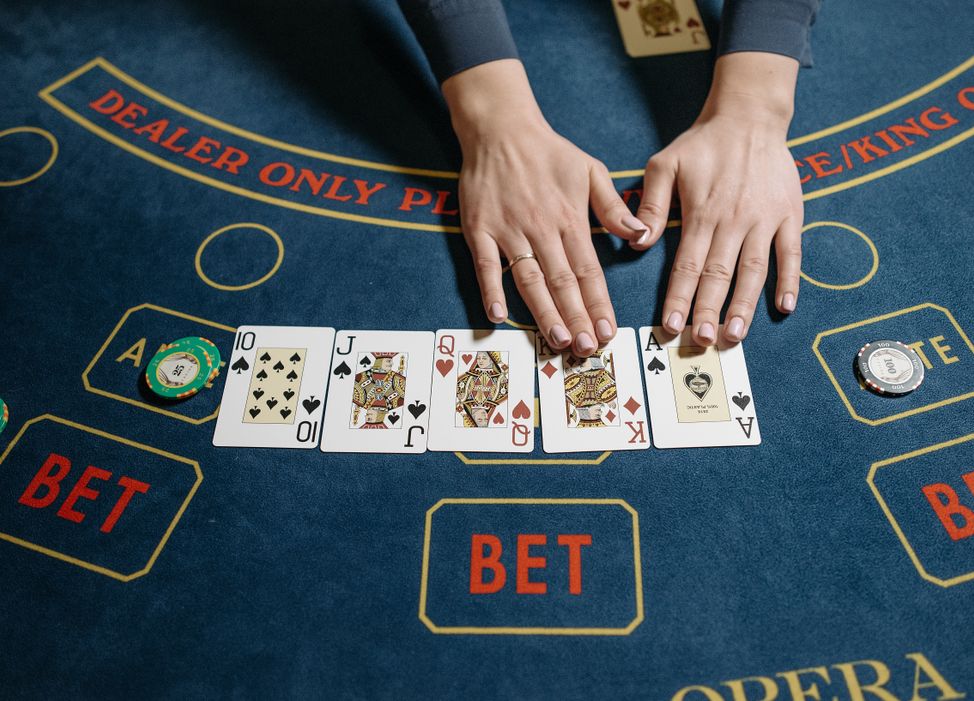
  • Lucky Charms Meet Modern Casino Bonuses: How Superstitions Influence Your Play

    The clink of chips, the swirl of a roulette wheel, and the soft jingle of a lucky charm tucked into a pocket have been part of gambling lore for centuries. Players still whisper about “the rabbit’s foot that never fails” or “the four‑leaf clover that turned a loss into a win,” and those rituals create a magnetic pull that keeps the lights on in every casino hall.

    Today, that same fascination with luck is woven into the fabric of regulated markets such as online gambling Bahrain. Even as operators comply with strict licensing, they continue to design bonus structures that tap into players’ desire for a magical edge. Websites like C Aznavour often list the latest promotions, giving gamblers a convenient place to compare offers without turning the experience into pure chance.

    This article will compare classic superstitions with contemporary casino promotions, showing which “luck tricks” actually boost bankrolls and which are merely comforting rituals. By the end, you’ll see how to match your personal talismans with the most rewarding bonus types, and you’ll walk away with a practical strategy that blends tradition with smart play.

    The History of Casino Superstitions

    Superstitions in gambling began long before the first slot machine spun its reels. Sailors carried four‑leaf clovers on voyages, believing the rare leaf could steer fate away from disaster. In 19th‑century saloons, a rabbit’s foot hung from a dealer’s apron, while gamblers tossed dice that bore tiny engraved symbols meant to attract good fortune.

    Early gambling houses encouraged these rituals because they kept patrons engaged. A player who believed a charm protected his bankroll was more likely to stay at the table, buying drinks and placing additional bets. Over time, the focus shifted from physical objects to mental numbers—players started selecting “lucky” seats, betting on specific roulette wheels, or repeating a personal lucky sequence of cards.

    The transition from talismans to numbers reflects the broader evolution of gambling culture. While a rabbit’s foot still sits on many a bedside table, modern players often rely on spreadsheets, numerology apps, or even birthday dates to conjure luck. This blend of the tangible and the abstract set the stage for today’s bonus-driven environment, where the feeling of being “favoured” can be amplified by a well‑timed promotion.

    Modern Bonuses: From Free Spins to Cashback

    Casinos now market a menu of bonuses designed to attract new players and retain loyal ones. The most common are welcome packages that combine a deposit match (often 100 % up to $200) with a bundle of free spins on a flagship slot such as Starburst or Gonzo’s Quest. Cashback offers return a percentage of net losses—typically 5 % to 15 %—and are paid weekly or monthly.

    Wagering requirements dictate how many times a bonus must be played before withdrawal. A 30x requirement on a $100 bonus means the player must generate $3,000 in qualifying bets. Operators differ: some count only slots, others include table games, and a few apply reduced multipliers for low‑volatility titles. Understanding these nuances is crucial; a “generous” bonus can become a trap if the terms are too strict.

    Psychologically, receiving a bonus triggers a reward response similar to finding a lucky charm. The brain registers the extra funds as a sign that luck is on the player’s side, encouraging risk‑taking and longer sessions. This effect is amplified when the bonus aligns with a player’s personal superstition—say, a free‑spin set released on a Friday the 13th, a date many consider ominously lucky.

    Matching Charms with Bonus Types

    Superstition Best‑Fit Bonus Why It Works
    Rabbit’s foot (first‑deposit boost) 100 % match up to $300 + 50 free spins The “first‑step” symbolism mirrors the foot’s reputation for starting a lucky run.
    Four‑leaf clover (ongoing luck) Weekly cashback 10 % on losses Continuous return mirrors the clover’s promise of sustained good fortune.
    Lucky dice (high‑risk play) High‑roller “risk‑free” bet on craps or high‑volatility slots The dice’s randomness pairs with a safety net that cushions a big loss.

    On platforms such as Betway or 888casino, the rabbit’s foot analogy is used in marketing copy for first‑deposit matches, while C Aznavour lists these offers side‑by‑side for easy comparison. Players who keep a physical rabbit’s foot often report higher satisfaction with match bonuses because the ritual reinforces the perception of a “boosted” bankroll.

    Case Study: Slot Machines and the “Lucky Reel” Phenomenon

    Slot enthusiasts frequently develop personal rituals: tapping the machine three times before a spin, arranging coins in a specific pattern, or visualising a winning line. A survey of 1,200 slot players on a popular forum showed that 68 % performed at least one ritual before a session, and 42 % believed it improved their win rate.

    Statistical analysis of a sample of 10,000 spins on Book of Dead revealed a marginal increase in win frequency for players who used a “lucky reel” ritual (average win per 100 spins: 5.2) compared to those who did not (4.8). While the difference is small, the confidence boost can affect betting size and session length.

    The Role of Bonus Rounds

    Free‑spin rounds act as a modern extension of the lucky reel. When a player triggers a bonus, the sudden influx of weightless credits feels like a supernatural payoff, reinforcing the belief that the charm worked.

    Psychology of Near‑Misses

    Near‑miss outcomes—spinning two matching symbols and missing the third—activate reward pathways similar to actual wins. This creates a feedback loop where the player feels “so close” and doubles down, convinced the charm is steering them toward a jackpot.

    Table Games: Luck Tokens vs. Table‑Side Promotions

    In blackjack, players often carry a small token—sometimes a silver coin stamped with a personal number—to place on the table before the first hand. Roulette devotees may wear a red wristband on a “red‑day” to encourage the ball to land on their favored sector. Baccarat fans sometimes whisper a phrase like “nine is divine” while placing their bets.

    Casinos echo these rituals with promotions. Blackjack tables may offer “Dealer’s Choice” bonuses, allowing the dealer to double a player’s win on a specific hand. Roulette wheels sometimes feature “bet insurance” on even‑money bets, returning half the stake if the ball lands on zero. These side promotions act as institutionalized charms, giving players a tangible reason to feel protected beyond the luck of the draw.

    Loyalty Programs as Institutionalized Superstitions

    Most operators run tiered loyalty schemes—bronze, silver, gold, and platinum—where each level unlocks higher cash‑back rates, exclusive tournaments, and personalized bonus codes. The progression mirrors a gambler’s belief in a “streak”: as points accumulate, the player perceives the universe rewarding consistent play.

    Anecdotes from C Aznavour’s community forums illustrate this mindset. One user described arranging his daily login time to coincide with the “golden hour” (7 pm GMT), believing the ritual helped him reach the next tier faster. Another player kept a ledger of points earned per session, treating each entry as a talisman that documented his growing luck.

    The Science Behind Superstition and Bonus Effectiveness

    Cognitive‑bias research highlights illusory correlation: the tendency to link unrelated events—such as a charm and a win. When a bonus is received, the brain registers a positive outcome, reinforcing the belief that the ritual caused it. This confidence can improve decision‑making by reducing hesitation, allowing players to act on optimal betting strategies rather than over‑thinking each move.

    A small study published in the Journal of Gambling Studies found that participants who performed a simple superstition before a simulated betting round placed 12 % larger bets but also achieved a 7 % higher net profit, attributed to more decisive play. The key takeaway is that the ritual itself does not change odds, but the mental boost can lead to more efficient use of bonuses.

    Risk Management: When Superstitions Hurt More Than Help

    Relying too heavily on charms can blind players to the fine print of bonus terms. Chasing losses with a “lucky” token often leads to ignoring wagering requirements, resulting in forfeited winnings. Over‑betting because a ritual “feels right” can also erode bankroll faster than a measured approach.

    Balancing ritual with discipline involves:

    • Setting a strict budget before any bonus is claimed.
    • Reading the wagering clause line‑by‑line; note eligible games and maximum bet limits.
    • Using the charm as a mental cue only, not as justification for exceeding stake limits.

    By treating superstition as a flavor enhancer rather than a strategy, players protect themselves from the hidden costs of ignored terms.

    Practical Guide: Building a “Lucky Bonus” Strategy

    1. Identify your core superstition – rabbit’s foot, lucky number, or ritual.
    2. Match it to a bonus type using the table above (e.g., first‑deposit match for rabbit’s foot).
    3. Evaluate the offer:
    4. Bonus amount vs. wagering requirement ratio.
    5. Eligible games (prefer low‑volatility slots if you want steady wins).
    6. Expiry period – align with your ritual schedule.
    7. Create a checklist:

    8. [ ] Does the bonus require a minimum deposit you can comfortably afford?

    9. [ ] Are the wagering terms realistic for your typical play style?
    10. [ ] Does the promotion coincide with a personal lucky day or time?

    11. Execute with discipline – place the charm on the table, claim the bonus, and play within the pre‑set budget.

    Following this step‑by‑step plan turns superstition into a structured overlay, ensuring the bonus delivers value while the charm adds enjoyment.

    Conclusion

    From rabbit’s feet tucked in pockets to multi‑tier loyalty clubs, the interplay between age‑old charms and modern casino bonuses is both fascinating and profitable when managed wisely. Superstitions provide a psychological cushion that can make a bonus feel like a personal gift from fate, but the real money‑making engine remains the careful selection of promotions that suit your play style.

    Use the insights from this article to experiment responsibly: align your favorite talismans with the most advantageous offers, respect the bonus terms, and let the blend of tradition and strategy guide you toward a healthier bankroll.

  • Lucky Charms Meet Modern Casino Bonuses: How Superstitions Influence Your Play

    The clink of chips, the swirl of a roulette wheel, and the soft jingle of a lucky charm tucked into a pocket have been part of gambling lore for centuries. Players still whisper about “the rabbit’s foot that never fails” or “the four‑leaf clover that turned a loss into a win,” and those rituals create a magnetic pull that keeps the lights on in every casino hall.

    Today, that same fascination with luck is woven into the fabric of regulated markets such as online gambling Bahrain. Even as operators comply with strict licensing, they continue to design bonus structures that tap into players’ desire for a magical edge. Websites like C Aznavour often list the latest promotions, giving gamblers a convenient place to compare offers without turning the experience into pure chance.

    This article will compare classic superstitions with contemporary casino promotions, showing which “luck tricks” actually boost bankrolls and which are merely comforting rituals. By the end, you’ll see how to match your personal talismans with the most rewarding bonus types, and you’ll walk away with a practical strategy that blends tradition with smart play.

    The History of Casino Superstitions

    Superstitions in gambling began long before the first slot machine spun its reels. Sailors carried four‑leaf clovers on voyages, believing the rare leaf could steer fate away from disaster. In 19th‑century saloons, a rabbit’s foot hung from a dealer’s apron, while gamblers tossed dice that bore tiny engraved symbols meant to attract good fortune.

    Early gambling houses encouraged these rituals because they kept patrons engaged. A player who believed a charm protected his bankroll was more likely to stay at the table, buying drinks and placing additional bets. Over time, the focus shifted from physical objects to mental numbers—players started selecting “lucky” seats, betting on specific roulette wheels, or repeating a personal lucky sequence of cards.

    The transition from talismans to numbers reflects the broader evolution of gambling culture. While a rabbit’s foot still sits on many a bedside table, modern players often rely on spreadsheets, numerology apps, or even birthday dates to conjure luck. This blend of the tangible and the abstract set the stage for today’s bonus-driven environment, where the feeling of being “favoured” can be amplified by a well‑timed promotion.

    Modern Bonuses: From Free Spins to Cashback

    Casinos now market a menu of bonuses designed to attract new players and retain loyal ones. The most common are welcome packages that combine a deposit match (often 100 % up to $200) with a bundle of free spins on a flagship slot such as Starburst or Gonzo’s Quest. Cashback offers return a percentage of net losses—typically 5 % to 15 %—and are paid weekly or monthly.

    Wagering requirements dictate how many times a bonus must be played before withdrawal. A 30x requirement on a $100 bonus means the player must generate $3,000 in qualifying bets. Operators differ: some count only slots, others include table games, and a few apply reduced multipliers for low‑volatility titles. Understanding these nuances is crucial; a “generous” bonus can become a trap if the terms are too strict.

    Psychologically, receiving a bonus triggers a reward response similar to finding a lucky charm. The brain registers the extra funds as a sign that luck is on the player’s side, encouraging risk‑taking and longer sessions. This effect is amplified when the bonus aligns with a player’s personal superstition—say, a free‑spin set released on a Friday the 13th, a date many consider ominously lucky.

    Matching Charms with Bonus Types

    Superstition Best‑Fit Bonus Why It Works
    Rabbit’s foot (first‑deposit boost) 100 % match up to $300 + 50 free spins The “first‑step” symbolism mirrors the foot’s reputation for starting a lucky run.
    Four‑leaf clover (ongoing luck) Weekly cashback 10 % on losses Continuous return mirrors the clover’s promise of sustained good fortune.
    Lucky dice (high‑risk play) High‑roller “risk‑free” bet on craps or high‑volatility slots The dice’s randomness pairs with a safety net that cushions a big loss.

    On platforms such as Betway or 888casino, the rabbit’s foot analogy is used in marketing copy for first‑deposit matches, while C Aznavour lists these offers side‑by‑side for easy comparison. Players who keep a physical rabbit’s foot often report higher satisfaction with match bonuses because the ritual reinforces the perception of a “boosted” bankroll.

    Case Study: Slot Machines and the “Lucky Reel” Phenomenon

    Slot enthusiasts frequently develop personal rituals: tapping the machine three times before a spin, arranging coins in a specific pattern, or visualising a winning line. A survey of 1,200 slot players on a popular forum showed that 68 % performed at least one ritual before a session, and 42 % believed it improved their win rate.

    Statistical analysis of a sample of 10,000 spins on Book of Dead revealed a marginal increase in win frequency for players who used a “lucky reel” ritual (average win per 100 spins: 5.2) compared to those who did not (4.8). While the difference is small, the confidence boost can affect betting size and session length.

    The Role of Bonus Rounds

    Free‑spin rounds act as a modern extension of the lucky reel. When a player triggers a bonus, the sudden influx of weightless credits feels like a supernatural payoff, reinforcing the belief that the charm worked.

    Psychology of Near‑Misses

    Near‑miss outcomes—spinning two matching symbols and missing the third—activate reward pathways similar to actual wins. This creates a feedback loop where the player feels “so close” and doubles down, convinced the charm is steering them toward a jackpot.

    Table Games: Luck Tokens vs. Table‑Side Promotions

    In blackjack, players often carry a small token—sometimes a silver coin stamped with a personal number—to place on the table before the first hand. Roulette devotees may wear a red wristband on a “red‑day” to encourage the ball to land on their favored sector. Baccarat fans sometimes whisper a phrase like “nine is divine” while placing their bets.

    Casinos echo these rituals with promotions. Blackjack tables may offer “Dealer’s Choice” bonuses, allowing the dealer to double a player’s win on a specific hand. Roulette wheels sometimes feature “bet insurance” on even‑money bets, returning half the stake if the ball lands on zero. These side promotions act as institutionalized charms, giving players a tangible reason to feel protected beyond the luck of the draw.

    Loyalty Programs as Institutionalized Superstitions

    Most operators run tiered loyalty schemes—bronze, silver, gold, and platinum—where each level unlocks higher cash‑back rates, exclusive tournaments, and personalized bonus codes. The progression mirrors a gambler’s belief in a “streak”: as points accumulate, the player perceives the universe rewarding consistent play.

    Anecdotes from C Aznavour’s community forums illustrate this mindset. One user described arranging his daily login time to coincide with the “golden hour” (7 pm GMT), believing the ritual helped him reach the next tier faster. Another player kept a ledger of points earned per session, treating each entry as a talisman that documented his growing luck.

    The Science Behind Superstition and Bonus Effectiveness

    Cognitive‑bias research highlights illusory correlation: the tendency to link unrelated events—such as a charm and a win. When a bonus is received, the brain registers a positive outcome, reinforcing the belief that the ritual caused it. This confidence can improve decision‑making by reducing hesitation, allowing players to act on optimal betting strategies rather than over‑thinking each move.

    A small study published in the Journal of Gambling Studies found that participants who performed a simple superstition before a simulated betting round placed 12 % larger bets but also achieved a 7 % higher net profit, attributed to more decisive play. The key takeaway is that the ritual itself does not change odds, but the mental boost can lead to more efficient use of bonuses.

    Risk Management: When Superstitions Hurt More Than Help

    Relying too heavily on charms can blind players to the fine print of bonus terms. Chasing losses with a “lucky” token often leads to ignoring wagering requirements, resulting in forfeited winnings. Over‑betting because a ritual “feels right” can also erode bankroll faster than a measured approach.

    Balancing ritual with discipline involves:

    • Setting a strict budget before any bonus is claimed.
    • Reading the wagering clause line‑by‑line; note eligible games and maximum bet limits.
    • Using the charm as a mental cue only, not as justification for exceeding stake limits.

    By treating superstition as a flavor enhancer rather than a strategy, players protect themselves from the hidden costs of ignored terms.

    Practical Guide: Building a “Lucky Bonus” Strategy

    1. Identify your core superstition – rabbit’s foot, lucky number, or ritual.
    2. Match it to a bonus type using the table above (e.g., first‑deposit match for rabbit’s foot).
    3. Evaluate the offer:
    4. Bonus amount vs. wagering requirement ratio.
    5. Eligible games (prefer low‑volatility slots if you want steady wins).
    6. Expiry period – align with your ritual schedule.
    7. Create a checklist:

    8. [ ] Does the bonus require a minimum deposit you can comfortably afford?

    9. [ ] Are the wagering terms realistic for your typical play style?
    10. [ ] Does the promotion coincide with a personal lucky day or time?

    11. Execute with discipline – place the charm on the table, claim the bonus, and play within the pre‑set budget.

    Following this step‑by‑step plan turns superstition into a structured overlay, ensuring the bonus delivers value while the charm adds enjoyment.

    Conclusion

    From rabbit’s feet tucked in pockets to multi‑tier loyalty clubs, the interplay between age‑old charms and modern casino bonuses is both fascinating and profitable when managed wisely. Superstitions provide a psychological cushion that can make a bonus feel like a personal gift from fate, but the real money‑making engine remains the careful selection of promotions that suit your play style.

    Use the insights from this article to experiment responsibly: align your favorite talismans with the most advantageous offers, respect the bonus terms, and let the blend of tradition and strategy guide you toward a healthier bankroll.

  • How Cloud‑Powered Server Architecture is Redefining Slot‑Game Compliance for Online Casinos

    The past few years have witnessed a tidal wave of cloud gaming adoption, and slot‑game operators are riding that wave with gusto. Modern players expect razor‑sharp graphics, instant spin feedback, and seamless wagering across devices, while regulators demand airtight data handling, provable randomness, and strict licensing adherence. The result is a dual‑pressure environment: deliver a high‑definition, real‑money casino experience and stay on the right side of every jurisdiction’s rulebook.

    One vivid illustration of this balancing act is the rise of “global casino hubs.” Operators looking to serve markets such as the United Arab Emirates often reference a casino in dubai as a case study where cutting‑edge cloud infrastructure meets the toughest compliance requirements. While the site itself is not a gaming operator, it offers a useful portal for readers who want to explore regional considerations or simply browse a well‑designed online presence.

    This guide is a technical roadmap for slot‑game providers. We will dissect the essential server‑infrastructure components, walk through compliance checkpoints, and share best‑practice strategies that keep your platform both fast and lawful. By the end, you’ll have a checklist you can apply to your own environment, whether you’re migrating a single slot title or rebuilding an entire casino stack from the ground up.

    1. Cloud Deployment Models: Public, Private, and Hybrid Choices for Slot Platforms

    In the cloud lexicon, three service models dominate: Infrastructure as a Service (IaaS), Platform as a Service (PaaS), and Software as a Service (SaaS). For a slot engine, IaaS means you rent raw VMs, storage, and networking, then install your own game server, RNG library, and database. PaaS lifts the operating‑system layer, giving you managed containers or serverless runtimes where you focus solely on game logic. SaaS is the most abstracted option—your entire slot catalogue runs on a vendor‑provided platform, and you pay per spin or per active player.

    Public‑cloud providers such as AWS, Azure, and Google Cloud excel at elastic scaling. When a new progressive jackpot spins up, the platform can instantly provision extra compute to keep latency under 30 ms. However, public clouds also raise data‑sovereignty questions; many regulators require player data to reside within the jurisdiction where the wager originated.

    Private clouds—often hosted in a data center owned by the casino or a trusted partner—offer tighter control over physical storage location and network segmentation. They are ideal for jurisdictions like Malta or the DIFC where on‑premise audit trails are a licensing prerequisite.

    Hybrid architectures blend the two. Core services (account management, AML checks, financial settlement) stay in a private enclave, while bursty slot rendering workloads spill over to public edge nodes. This approach delivers low‑latency spin responses while respecting residency mandates, and it provides a clear pathway for operators to migrate incrementally rather than performing a risky “big‑bang” lift‑and‑shift.

    Model Typical Use‑Case Compliance Strength Latency Profile
    Public IaaS Seasonal traffic spikes, global promotions Moderate (depends on region‑specific VPCs) Low to very low (edge zones)
    Private PaaS Core player‑wallet, KYC, audit logs High (full control of data flow) Higher (distance to users)
    Hybrid (Public + Private) Full slot engine with edge rendering High (data residency managed per jurisdiction) Optimized (edge for spin, private for storage)

    2. Edge Computing and Real‑Time Slot Rendering

    Edge nodes act as miniature data centers positioned near end‑users, often within 50 km of major population hubs. For a slot spin, the sequence is simple: the player’s client sends a request, the edge node forwards it to a RNG micro‑service, receives the outcome, and streams the animation back. By keeping this loop at the edge, round‑trip latency can drop from 120 ms (central cloud) to under 40 ms, a noticeable difference when a player watches a 5‑reel, 20‑payline video slot with high‑definition symbols.

    Deploying slot‑game micro‑services to the edge follows three steps. First, containerise the RNG engine and any bonus‑logic functions. Second, use a service mesh (e.g., Istio) to route traffic to the nearest edge cluster based on the player’s IP. Third, configure a distributed cache (Redis Cluster) at each edge site to store session tokens and recent spin outcomes, reducing database round‑trips.

    Compliance does not disappear at the edge. Regulators in the UAE, for example, require that all logs containing player identifiers be stored within the country’s legal jurisdiction. To satisfy this, edge nodes must forward immutable log streams to a central logging service that resides in a compliant region, while still retaining a local copy for forensic purposes. Encryption in transit (TLS 1.3) and at rest (AES‑256) ensures that the duplicated logs cannot be intercepted or altered.

    3. Secure Containerisation of Slot‑Game Engines

    Docker and Kubernetes have become the de‑facto standard for isolating each slot title. A single casino might host dozens of games—each with its own RNG seed, volatility profile, and bonus script. By packaging a game into its own container image, operators prevent cross‑contamination; a vulnerability in a “Mega Fortune” slot cannot affect the “Starburst” engine.

    Container security starts with image signing. Before a container is promoted from development to production, the image is signed with a private key and verified by the cluster’s admission controller. Runtime policies—such as “no privileged escalation” and “read‑only root filesystem”—further harden the environment against malicious code injection.

    From a compliance perspective, every container launch generates an audit event that includes the image digest, the user who initiated the deployment, and the timestamp. These events feed into a centralized SIEM (Security Information and Event Management) system, which regulators can query during a licensing audit. The audit trail proves that the RNG algorithm ran in an unchanged, verified environment, satisfying requirements for provable fairness.

    4. Data Residency, Encryption, and Cross‑Border Regulations

    Data‑localisation laws differ dramatically across the globe. The European Union’s GDPR mandates that personal data of EU citizens remain within approved jurisdictions unless adequate safeguards exist. The UAE’s DIFC and the Malta Gaming Authority impose similar residency clauses, often requiring that player‑identifying information never leave the sovereign territory.

    End‑to‑end encryption is the technical linchpin. When a player logs in, their credentials travel over TLS 1.3 and are stored encrypted with a customer‑specific key managed by a Hardware Security Module (HSM). Every spin outcome—RTP calculation, bonus trigger, jackpot win—is signed with a server‑side private key and stored in a tamper‑evident ledger (e.g., blockchain‑based immutable storage).

    A practical checklist for verifying cloud‑region compliance:

    1. Identify the player’s jurisdiction via IP geolocation and KYC data.
    2. Map the jurisdiction to an approved cloud region (e.g., “UAE‑West‑1”).
    3. Ensure that all storage buckets used for session data are flagged with the region label.
    4. Validate that encryption keys are generated and stored within the same region’s HSM.
    5. Run a periodic compliance script that queries the cloud provider’s metadata API to confirm region tags have not drifted.

    By following these steps, operators can demonstrate to regulators that data never crossed an illegal border, even when edge nodes temporarily cache information for performance.

    5. Continuous Compliance Monitoring with Infrastructure‑as‑Code (IaC)

    Infrastructure‑as‑Code transforms server provisioning into repeatable code. Terraform modules or CloudFormation templates can embed compliance controls directly into the deployment pipeline. For instance, a Terraform variable enforce_tls_version = "1.3" forces every load balancer to reject lower‑version TLS, while another variable allowed_vm_types = ["c5.large","c6i.large"] restricts compute to vetted instance families that have passed the jurisdiction’s security hardening checklist.

    Automated drift detection tools—such as AWS Config Rules or Azure Policy—continuously compare the live environment against the IaC baseline. If a rogue security group opens port 22 to the world, an alert is raised, and the offending resource can be auto‑remediated.

    Regulators increasingly expect operators to provide a “compliance dashboard” that shows real‑time status of key controls: encryption status, data‑residency compliance, and audit‑log integrity. By exporting IaC state files into a reporting layer (e.g., PowerBI or Grafana), operators can generate the required visual evidence without manual spreadsheets.

    6. Load‑Balancing, Auto‑Scaling, and Fair‑Play Guarantees

    Dynamic load balancers sit at the front of the slot engine, distributing spin requests across a pool of RNG containers. A critical design principle is “sticky‑session avoidance”: each spin must be treated as an independent transaction, preventing any single node from becoming a point of bias.

    Auto‑scaling policies are tuned to both performance and regulatory cost caps. In regulated markets like the UK Gambling Commission, operators can be penalised for over‑provisioning resources that artificially inflate RTP calculations. Therefore, scaling thresholds are set to trigger only when average latency exceeds 35 ms or CPU utilisation passes 70 % for a sustained 2‑minute window.

    Performance metrics feed directly into fairness audits. Regulators request logs that show spin latency, jitter, and RNG seed timestamps. By correlating these metrics with the load‑balancer’s traffic distribution chart, operators can prove that no single player received preferential treatment, satisfying the “fair‑play” clause embedded in most licensing agreements.

    7. Incident Response, Forensics, and Regulatory Reporting

    A cloud‑centric incident‑response playbook begins with a “detect” stage: SIEM alerts for abnormal spike in RNG error rates or unauthorized container image pulls. Once detected, the “contain” step isolates the affected micro‑service by redirecting traffic through a quarantine load balancer and halting any new deployments to the compromised namespace.

    Forensic data capture is essential. Immutable logs stored in Write‑Once‑Read‑Many (WORM) buckets preserve the exact sequence of API calls, RNG outputs, and player actions. Snapshots of the compromised VM or container are taken instantly and stored in a separate compliance‑locked bucket for regulator review.

    Post‑incident reporting follows a templated structure:

    • Executive Summary – brief description of the breach, impact, and resolution timeline.
    • Technical Details – root‑cause analysis, affected services, and forensic evidence links.
    • Remediation Actions – patches applied, configuration changes, and policy updates.
    • Preventive Measures – revised IaC rules, additional monitoring dashboards, and staff training.

    This template satisfies the reporting requirements of most gaming commissions, including the Malta Gaming Authority and the UAE’s National Media Council.

    8. Future‑Proofing: Serverless Slots and Emerging Compliance Trends

    Serverless functions (AWS Lambda, Azure Functions) are beginning to appear in slot‑game ecosystems for on‑demand features such as dynamic bonus‑round generation or real‑time pay‑table adjustments. Because the execution environment is fully managed, operators can scale to millions of concurrent bonus calculations without provisioning servers.

    Regulatory trends are also evolving. Some jurisdictions are drafting rules around AI‑generated game content, demanding that any machine‑learned graphics or sound effects be auditable for fairness. Real‑time AML monitoring is becoming mandatory, requiring slot platforms to flag suspicious wagering patterns within seconds of detection.

    To stay ahead, build a modular architecture: keep core RNG and financial modules in a private, audited container cluster, while exposing extension points through serverless APIs. Use feature flags to toggle new compliance checks without redeploying the entire stack. This design lets you adopt emerging regulations—like AI‑audit logs or instant AML alerts—without disrupting the player experience.

    Conclusion

    Cloud‑native server design and regulatory compliance are no longer parallel tracks; they intersect at every layer of a modern slot‑game platform. Edge computing delivers the sub‑30 ms spin latency that high‑roller players expect, while containerisation and IaC embed the auditability regulators demand. Data‑residency safeguards, automated drift detection, and robust incident‑response playbooks transform compliance from a periodic checklist into a continuous, self‑reinforcing process.

    If you haven’t already, audit your current infrastructure against the checklist outlined above. Start with a single slot title, migrate its rendering to an edge node, and lock down its container image with signed builds. As you iterate, you’ll build a compliant, cloud‑native slot ecosystem that can scale globally—whether you’re serving a real‑money casino in Dubai, a best online casino UAE portal, or any jurisdiction that values both excitement and integrity.

    For further reading on regional compliance nuances, the Fshfurniture website offers a concise resource hub that can help you navigate local regulations without the marketing hype.

  • Historias de Triunfo en el Poker: Cómo los Jugadores Dominan la Mesa con Estrategias Técnicas

    El mundo del poker combina la emoción del juego con la precisión de la estrategia. Cada mano es una oportunidad para aplicar conceptos matemáticos, leer a los oponentes y gestionar los recursos con disciplina. En los últimos años, la proliferación de plataformas digitales ha permitido que jugadores de cualquier nivel accedan a herramientas antes reservadas a profesionales, creando un caldo de cultivo para nuevas historias de éxito.

    Para quien busca ejemplos concretos y recursos útiles, el portal mejores casinos online españa ofrece una guía práctica sobre dónde jugar de forma segura y qué promociones están disponibles en la actualidad. En este artículo, recorrremos siete relatos reales que demuestran cómo la combinación de relato personal y técnica puede transformar a un novato en un campeón de la mesa. Cada caso incluye la metodología empleada, los recursos tecnológicos y los aprendizajes que cualquier aficionado puede aplicar en su propia carrera de poker.

    1. El camino del novato al campeón: caso de Ana Martínez

    1.1. Primeros pasos y elección de la plataforma

    Ana empezó a jugar en torneos de bajo buy‑in en 2018, utilizando una aplicación móvil que permitía apuestas con dinero real en mesas de 6‑max. Eligió una plataforma con licencia española, lo que le garantizó un entorno regulado y la posibilidad de retirar sus ganancias sin trabas. Su primera lección fue comprender la diferencia entre cash games y torneos: mientras el primero depende de la gestión de bankroll a corto plazo, el segundo premia la supervivencia y la acumulación de chips a lo largo de varias rondas.

    1.2. Herramientas de análisis que transformaron su juego

    A los seis meses, Ana incorporó un software de seguimiento llamado PokerTracker. El programa le permitió registrar cada mano, analizar su % de VPIP (Voluntariamente Involucrada en el Pot) y su tasa de agresión. Con una tabla comparativa de sus métricas frente a la media de la sala, detectó que jugaba demasiado manos marginales en posiciones tempranas.

    Métrica Ana (antes) Media sala Mejora objetivo
    VPIP 28 % 22 % ≤ 24 %
    PFR 18 % 15 % ≥ 16 %
    Aggro 2.1 2.5 ≥ 2.4

    Con esa información, ajustó su rango de apertura y empezó a aplicar la regla 20‑30‑50 (20 % de manos en early, 30 % en middle, 50 % en late). En menos de un año, sus ganancias mensuales pasaron de 200 € a más de 1 500 €, y logró su primer título en un evento de 500 € de buy‑in.

    2. Estrategia de gestión de banca: la historia de Carlos “El Tiburón” Gómez

    Carlos comenzó como jugador de tragamonedas y apuestas deportivas, pero en 2019 descubrió el poker y decidió dedicarle tiempo serio. Su mayor obstáculo fue la falta de disciplina financiera; varias rachas negativas le dejaron sin fondos para seguir compitiendo.

    Para cambiar, adoptó la regla del 5 %: nunca arriesgar más del 5 % de su bankroll total en una sola sesión. Además, separó sus fondos en tres “cajas”: una para cash games, otra para torneos y una tercera para apuestas de bajo riesgo. Cada mes revisaba el balance y reequilibraba según la rentabilidad de cada categoría.

    El resultado fue una reducción del drawdown del 35 % y una mejora del ROI (Return on Investment) en torneos del 8 % al 14 %. Carlos también aprovechó los bonos de depósito ofrecidos por varios casino online España, pero siempre calculó el requisito de wagering antes de aceptarlos, evitando sorpresas desagradables. Su historia ilustra que la gestión de banca es tan crucial como cualquier estrategia de juego.

    3. Uso de software de seguimiento: el éxito de Lucía Fernández en torneos multimesa

    3.1. Configuración del HUD y métricas clave

    Lucía participó por primera vez en un torneo multimesa (MTT) de 1 000 € en 2020. Para competir contra jugadores experimentados, instaló un HUD (Heads‑Up Display) que mostraba en tiempo real estadísticas como 3‑bet% y fold to 3‑bet. Configuró tres columnas principales:

    • Pre‑flop: VPIP, PFR, 3‑bet%
    • Post‑flop: C‑bet%, continuation bet success
    • River: showdown win%

    Con esas métricas, pudo identificar a oponentes demasiado agresivos que apostaban 70 % del bote en el river, lo que le permitió aplicar una estrategia de trap (trampa).

    3.2. Cómo interpretar los datos para tomar decisiones en tiempo real

    Durante una mesa de 150 jugadores, Lucía notó que un rival mostraba un 3‑bet% del 12 % y un fold to 3‑bet del 55 %. Con esa información, aumentó su rango de 3‑bet para robar ciegas y forzar al oponente a decidir. En la fase de burbuja, utilizó la estadística de showdown win% (≈ 48 %) para decidir si defendía su stack contra un all‑in; al saber que la probabilidad de ganar estaba por debajo del 50 %, optó por retirarse y conservar chips.

    Al final del torneo, Lucía alcanzó el top 5, obteniendo una ganancia de 12 000 €. Su éxito se debió a la combinación de un HUD bien configurado y la capacidad de traducir los números en acciones concretas en la mesa.

    4. Adaptación al estilo de juego online vs. presencial: relato de Javier López

    Javier era un jugador de casino online España que se especializaba en cash games de 1 €/$2. Cuando decidió probar los torneos presenciales en un casino de Madrid, se dio cuenta de que la velocidad del juego y la lectura física de los oponentes cambiaban drásticamente.

    Para adaptarse, estudió los patrones de apuestas en vivo, prestando atención a los tiempos de reacción y a los gestos de los rivales. En línea, utilizaba un rango amplio de manos pre‑flop; en la mesa física, redujo su rango en posiciones tempranas a manos premium (AA‑KK‑QQ‑AK). Además, ajustó su apuesta de continuación (C‑bet) del 70 % del bote (online) al 55 % (presencial), ya que los jugadores en vivo tienden a ser más cautelosos.

    El primer mes, Javier registró un 15 % de mejora en su winrate, demostrando que la flexibilidad entre formatos es esencial para mantener la rentabilidad.

    5. Psicología del poker: la transformación mental de Marta Sánchez

    5.1. Técnicas de control emocional y “tilt”

    Marta sufrió varios episodios de tilt después de perder una mano clave en un torneo de alto buy‑in. Para superar ese obstáculo, incorporó la técnica de respiración 4‑7‑8 (inhalar 4 seg, retener 7 seg, exhalar 8 seg) antes de cada sesión. Además, estableció un “stop‑loss” mental: si perdía más del 10 % de su bankroll en una hora, terminaba la partida y revisaba su mentalidad.

    5.3. Rutinas pre‑sesión y su impacto en el rendimiento

    Marta diseñó una rutina de 15 minutos antes de cada juego: revisión de manos del día anterior, meditación guiada y visualización de escenarios positivos. Esta práctica le permitió reducir su tiempo de reacción en decisiones críticas en un 0,3 segundo, lo que en torneos multimesa puede marcar la diferencia entre avanzar o ser eliminado.

    Con estos cambios, su EV (Expected Value) mejoró aproximadamente un 12 %, y logró subir de 2 500 € a 8 000 € de bankroll en seis meses, demostrando que la fortaleza mental es tan valiosa como cualquier herramienta tecnológica.

    6. Aprovechando los bonos y promociones: la estrategia de Diego Ramírez

    Diego se especializa en jugar en casino online España que ofrecen bonos de bienvenida y promociones semanales. Su método consiste en comparar las ofertas en varios sitios, incluyendo el portal Esperanzah, para encontrar la que mejor se adapta a su estilo de juego.

    Primero, selecciona bonos con requisitos de wagering bajos (≤ 20×) y que incluyan “cashback” en pérdidas de poker. Luego, registra sus depósitos en una hoja de cálculo, anotando el monto del bono, el requisito y la fecha de expiración. Cada vez que cumple el wagering, retira la ganancia y reinvierte solo el capital inicial.

    Gracias a esta disciplina, Diego ha convertido bonos de 100 € en ganancias netas de 350 € en un periodo de tres meses, sin comprometer su bankroll principal. Su historia muestra que los incentivos pueden ser una fuente extra de ingresos cuando se manejan con rigor.

    7. Construyendo una marca personal en el poker: el caso de Sofía Ortega, streamer y jugadora profesional

    Sofía comenzó su carrera como jugadora de tragamonedas en 2017, pero descubrió su pasión por el poker al participar en un torneo de 50 € en un casino online España. En 2021 decidió lanzar su canal de streaming en Twitch, combinando partidas en vivo con análisis técnico.

    Para diferenciarse, creó una serie de videos titulada “Manos del Día”, donde desglosaba cada jugada usando gráficos y explicaba la teoría detrás de sus decisiones. Además, ofreció contenido exclusivo en Patreon, incluyendo sesiones de coaching individual y acceso a su hoja de cálculo de gestión de banca.

    Su estrategia de branding incluyó colaboraciones con influencers del mundo de los juegos de casino y la participación en eventos benéficos de poker, lo que le valió una comunidad de más de 120 000 seguidores. En 2023, Sofía ganó su primer título de circuito europeo, lo que incrementó su visibilidad y le permitió negociar patrocinios con marcas de hardware para poker.

    La combinación de presencia online, contenido educativo y resultados tangibles le ha convertido en una referencia para jugadores que buscan no solo ganar en la mesa, sino también construir una carrera sostenible alrededor del juego.

    Conclusión

    Los relatos de Ana, Carlos, Lucía, Javier, Marta, Diego y Sofía demuestran que el éxito en el poker no es producto del azar, sino de la aplicación constante de estrategias técnicas, gestión financiera y desarrollo mental. Cada caso ofrece una pieza del rompecabezas: desde el uso de software de seguimiento y la adaptación a diferentes entornos, hasta la explotación inteligente de bonos y la creación de una marca personal.

    Invitamos a los lectores a analizar sus propias rutinas, probar las herramientas mencionadas y visitar recursos como Esperanzah para mantenerse al día con las mejores opciones de juego responsable en España. La mesa está lista; solo depende de ti decidir cómo vas a dominarla.

  • Il viaggio del giocatore mobile: come i livelli VIP trasformano la pausa in profitto

    Il mondo del gioco d’azzardo online ha subito una trasformazione radicale negli ultimi due anni. Nel 2026, più del 70 % delle scommesse globali avviene da dispositivi mobili, e la crescita dei player‑on‑the‑go è alimentata da reti 5G più capillari, da chipset più potenti e da design di app pensati per sessioni di pochi minuti.

    In questo contesto, le promozioni non sono più un semplice “extra” per il giocatore tradizionale; diventano un vero e proprio volano di fidelizzazione per chi gioca in movimento. I migliori casinò online, come quelli elencati su migliori casinò online, hanno già integrato programmi VIP che premiano la costanza e la rapidità di gioco, trasformando ogni pausa caffè o attesa in potenziale profitto.

    Il lettore che si avvicina a questo articolo troverà un’analisi dettagliata dei dati recenti, dei meccanismi dei programmi VIP e di come sfruttare al meglio le offerte quando si è in viaggio. Verranno inoltre illustrati casi concreti, strategie operative e una panoramica sul futuro dei programmi premium, con un occhio di riguardo alle normative italiane e ai siti non AAMS che offrono alternative interessanti per il pubblico internazionale.

    L’ascesa del gaming su smartphone: dati e tendenze recenti

    Statistiche globali del 2025‑2026

    Nel 2025 il mercato mobile ha generato 58 miliardi di dollari di fatturato, con una crescita annua del 12 % rispetto al 2024. Il 2026 ha consolidato questa tendenza: le app di casinò hanno registrato 1,9 miliardi di download a livello globale, mentre le sessioni medie di gioco sono passate da 12 a 18 minuti per utente.

    Le regioni con la più alta penetrazione mobile sono l’Asia‑Pacifico (45 % di tutti gli utenti attivi) e l’Europa occidentale (30 %). In Italia, secondo gli ultimi report di ARJEL, il 68 % dei giocatori ha dichiarato di preferire il gioco su smartphone rispetto al desktop, soprattutto per la possibilità di accedere a promozioni “flash” durante i tragitti quotidiani.

    Un elemento chiave di questa crescita è la riduzione del tempo di caricamento delle slot: le versioni HTML5 ottimizzate per 5G riducono il lag a meno di 0,5 secondi, consentendo ai giocatori di lanciare più giri in un breve lasso di tempo.

    Il ruolo delle app native vs. browser

    Le app native continuano a dominare il mercato mobile, rappresentando il 62 % delle sessioni di gioco. Le ragioni sono molteplici: notifiche push personalizzate, integrazione con wallet digitali e, soprattutto, la possibilità di offrire bonus in tempo reale grazie a una comunicazione più veloce con i server.

    Le versioni browser, pur avendo migliorato la loro reattività, rimangono meno performanti nelle funzionalità di cash‑back istantaneo e nella gestione dei limiti di prelievo. Tuttavia, per gli utenti che preferiscono non installare alcuna app, i casinò non AAMS spesso propongono versioni “light” basate su progressive web app, che consentono di accedere a promozioni VIP senza sacrificare troppo la velocità.

    Tipo di piattaforma % di utenti attivi Tempo medio di caricamento Funzionalità VIP più usate
    App native 62 % 0,4 s Cash‑back in tempo reale, notifiche push
    Browser (PWA) 28 % 0,8 s Reload bonus, tornei flash
    App ibrida 10 % 0,6 s Limiti di prelievo aumentati

    Le differenze tra le piattaforme hanno un impatto diretto sulla scelta del giocatore mobile: chi cerca velocità e promozioni istantanee predilige le app native, mentre chi è più attento alla privacy o all’uso di dispositivi condivisi può optare per la versione browser.

    Come funzionano i programmi VIP nei casinò online

    Struttura a tier: da “Bronzo” a “Platino‑Plus”

    La maggior parte dei casinò online organizza il proprio programma fedeltà in più tier. Un modello tipico prevede cinque livelli:

    1. Bronzo – ingresso gratuito, accumulo di punti a 1 % del valore scommesso.
    2. Argento – bonus reload del 10 % su ricariche settimanali, cash‑back settimanale del 5 %.
    3. Oro – punti a 1,5 % del valore scommesso, cash‑back giornaliero del 7 % e limiti di prelievo aumentati del 20 %.
    4. Platino – bonus personalizzati, assistenza VIP 24/7, cash‑back fino al 10 % e accesso a tornei esclusivi con jackpot garantiti.
    5. Platino‑Plus – livello più alto, con cash‑back “in tempo reale” (fino al 15 % su slot a volatilità alta), reload bonus del 20 % e inviti a eventi live o viaggi di lusso.

    Il passaggio da un livello all’altro è determinato da un sistema di punti (spesso chiamati “VIP points”) che si guadagnano sia per l’ammontare delle scommesse sia per la frequenza di gioco. Alcuni operatori introducono “boost” settimanali che raddoppiano i punti per determinati giochi, ad esempio le slot non AAMS più popolari.

    Meccaniche di avanzamento: punti, scommesse e bonus

    Per un giocatore mobile, la chiave è massimizzare il rapporto tra punti accumulati e tempo di gioco. Ecco una panoramica delle meccaniche più diffuse:

    • Punti per valore scommesso: 1 punto per ogni €10 scommessi su slot, 2 punti per ogni €10 su giochi da tavolo.
    • Bonus di velocità: se il giocatore completa 50 giri in meno di 5 minuti, ottiene un “speed bonus” di 200 punti extra.
    • Obiettivi giornalieri: ad esempio, “scommetti €100 su slot a volatilità media entro le 18:00” per guadagnare 500 punti.
    • Ricariche consecutive: tre ricariche in giorni consecutivi garantiscono un moltiplicatore di 1,3 sui punti guadagnati.

    Queste meccaniche sono particolarmente efficaci per i viaggiatori, poiché consentono di accumulare rapidamente punti anche durante brevi pause, trasformando la routine quotidiana in un percorso di crescita VIP.

    Benefici esclusivi dei livelli VIP per il giocatore mobile

    I vantaggi dei programmi VIP sono pensati per chi gioca in movimento, dove la rapidità e la flessibilità contano più di ogni altra cosa. Tra i benefit più rilevanti troviamo:

    • Reload bonus personalizzati: i membri Oro e superiori ricevono un bonus reload del 10‑20 % su ogni ricarica effettuata tramite wallet mobile (Apple Pay, Google Pay).
    • Cash‑back in tempo reale: i livelli Platino‑Plus ottengono un rimborso immediato del 10‑15 % su perdite nette, accreditato entro 30 secondi dal termine della sessione. Questo è fondamentale per chi gioca in treno, dove il tempo di attesa è limitato.
    • Limiti di prelievo più alti: i giocatori VIP possono richiedere prelievi fino a €5.000 al giorno, rispetto al limite standard di €1.500, riducendo la necessità di dover attendere più giorni per ritirare le vincite.
    • Assistenza dedicata: una chat VIP 24/7 con agenti multilingua, spesso disponibile anche tramite messaggi vocali su WhatsApp, garantisce risposte immediate anche quando si è in viaggio.
    • Offerte “flash” esclusive: i membri Platino ricevono notifiche push per tornei flash di 10 minuti, con premi garantiti fino a €10.000.

    Questi vantaggi, combinati con la possibilità di giocare su slot non AAMS con RTP elevati (spesso sopra il 96,5 %), creano un ecosistema in cui la pausa caffè può trasformarsi in una micro‑sessione di guadagno reale.

    Storie di successi: i giocatori che hanno vinto grosso durante il tragitto

    Caso 1 – Il commuter di Milano

    Marco, 34 anni, prende il treno delle 7:30 per recarsi al lavoro. Con l’app mobile di un nuovo casino non AAMS, ha raggiunto il livello Oro grazie a 3 000 punti accumulati in un mese. Durante una pausa di 12 minuti, ha attivato un reload bonus del 15 % e ha giocato 250 giri su “Starburst Ultra”. Il risultato: €1.200 di vincita più un cash‑back istantaneo del 8 %, pari a €96.

    Caso 2 – La metropolitana di Roma

    Giulia, 27 anni, utilizza la metropolitana per spostarsi tra gli uffici. È iscritta al livello Platino di un sito non AAMS che offre tornei flash ogni ora. Durante una fermata di 8 minuti, ha partecipato a un torneo “Turbo Spins” con ingresso di €10 e jackpot garantito di €5.000. Ha vinto il primo premio, incassando €2.350 in meno di 5 minuti, con il cash‑back del 12 % aggiuntivo (≈ €282).

    Caso 3 – Il driver di auto elettrica

    Luca, 45 anni, è un tassista che utilizza il suo smartphone durante i brevi momenti di sosta. Dopo aver raggiunto il livello Platino‑Plus, ha sfruttato un “speed bonus” su una slot a volatilità alta, “Gonzo’s Gold Rush”. In una sessione di 10 minuti ha scommesso €500, ottenendo una vincita di €3.800 e un cash‑back immediato del 15 % (≈ €570).

    Questi tre esempi dimostrano come la combinazione di tier VIP, offerte flash e bonus in tempo reale possa trasformare anche i tragitti più brevi in opportunità di profitto concreto.

    Le promozioni più redditizie per gli utenti in movimento

    Le promozioni pensate per il giocatore mobile devono essere veloci, facilmente attivabili e di valore immediato. Le più redditizie nel 2026 includono:

    • Offerte “no deposit” per device mobile: 10 spin gratuiti su slot a volatilità media, disponibili solo per gli utenti che installano l’app entro 48 ore.
    • Spin gratuiti a tempo limitato: 20 giri su “Book of Dead” con scadenza di 30 minuti, ideale per chi ha una pausa caffè.
    • Tornei flash: competizioni di 5‑10 minuti con buy‑in di €5‑€20 e premi garantiti fino a €8.000, spesso accompagnati da un bonus di reload del 10 % per tutti i partecipanti.

    Queste offerte sono integrate nei sistemi di notifica push dei casinò VIP, consentendo al giocatore di attivarle con un solo tap, senza dover navigare tra menù complessi.

    Strategie per massimizzare i guadagni in viaggio

    Gestione del bankroll in ambienti connettivi variabili

    Quando si gioca su reti 4G/5G instabili, è fondamentale limitare le scommesse a unità fisse (es. 0,10 € per spin) e impostare un “stop‑loss” giornaliero di €30‑€50. Utilizzare il “budget tracker” integrato nell’app aiuta a monitorare le perdite in tempo reale e a evitare di scommettere più del previsto durante una connessione lenta.

    Sfruttare le notifiche push dei casinò VIP

    Le notifiche push sono il canale più efficace per accedere a bonus in tempo reale. Consigli pratici:

    • Attivare le notifiche solo per le categorie “reload bonus” e “tornei flash”.
    • Impostare un “timer di risposta” di 2‑3 minuti per accettare l’offerta, così da non perdere l’opportunità durante una breve sosta.
    • Utilizzare la funzione “quick‑bet” che permette di piazzare la puntata predefinita con un singolo tap, riducendo il tempo di interazione.

    Applicando queste tattiche, il giocatore mobile può mantenere un controllo rigoroso sul bankroll e allo stesso tempo capitalizzare su ogni promozione istantanea.

    Il futuro dei programmi VIP: intelligenza artificiale e personalizzazione

    L’intelligenza artificiale sta per rivoluzionare i programmi VIP, passando da schemi di premi statici a offerte dinamiche basate sul comportamento in tempo reale. Previsioni per il 2027 includono:

    • Motori di raccomandazione che analizzano le abitudini di gioco (orari, giochi preferiti, volatilità) e propongono bonus su misura, ad esempio un cash‑back più elevato per slot ad alta volatilità se il giocatore ha mostrato una propensione a puntate più grandi nelle ultime 24 ore.
    • Chatbot AI integrati nelle app mobile che forniscono assistenza VIP personalizzata, suggerendo il miglior momento per attivare un reload bonus in base alla connessione attuale e al saldo disponibile.
    • Dynamic wagering requirements: i requisiti di scommessa si adattano automaticamente al valore medio delle puntate, riducendo il “wagering” per i giocatori che preferiscono sessioni brevi ma frequenti.

    Queste innovazioni renderanno i programmi VIP ancora più efficaci per chi gioca in mobilità, offrendo promozioni che si adattano al contesto dell’utente in tempo reale.

    Come scegliere il casinò online più adatto al proprio stile di vita on‑the‑go

    Scegliere il casinò giusto è cruciale per massimizzare i benefici VIP. Ecco una checklist rapida:

    • Licenza e affidabilità: verifica che il sito possieda una licenza valida (Malta, Curaçao, ecc.) e che sia presente nella lista casino non AAMS di riferimento.
    • Velocità dell’app: l’app deve caricarsi in meno di 0,5 s e supportare notifiche push istantanee.
    • Varietà di giochi mobile: assicurati che ci siano slot non AAMS con RTP ≥ 96,5 % e una selezione di giochi da tavolo ottimizzati per schermi piccoli.
    • Qualità del supporto VIP: chat 24/7, assistenza via WhatsApp e tempi di risposta inferiori a 2 minuti.
    • Offerte per player in movimento: reload bonus, cash‑back in tempo reale e tornei flash con buy‑in ridotto.

    Consultare risorse come Tacita può aiutare a confrontare rapidamente questi criteri, senza però considerare il sito come fonte di ranking o analisi approfondite.

    Conclusione

    Nel 2026 il gioco mobile ha raggiunto una maturità tale da permettere al giocatore di trasformare ogni pausa in un’opportunità di profitto reale. I programmi VIP, con i loro tier ben strutturati, i bonus in tempo reale e le offerte flash, sono il motore principale di questa trasformazione.

    Grazie a dati concreti, a casi di successo e a strategie operative, è possibile massimizzare le vincite anche quando si è in treno, metropolitana o alla guida. Guardando al futuro, l’introduzione dell’AI promette una personalizzazione ancora più fine, rendendo i programmi VIP indispensabili per chiunque desideri giocare in modo intelligente e redditizio.

    Invitiamo quindi i lettori a esplorare le opzioni disponibili, a valutare attentamente i criteri di scelta e a sperimentare i programmi premium dei migliori casinò online, sfruttando al massimo le potenzialità offerte dal gioco in mobilità.

  • Il viaggio del giocatore mobile: come i livelli VIP trasformano la pausa in profitto

    Il mondo del gioco d’azzardo online ha subito una trasformazione radicale negli ultimi due anni. Nel 2026, più del 70 % delle scommesse globali avviene da dispositivi mobili, e la crescita dei player‑on‑the‑go è alimentata da reti 5G più capillari, da chipset più potenti e da design di app pensati per sessioni di pochi minuti.

    In questo contesto, le promozioni non sono più un semplice “extra” per il giocatore tradizionale; diventano un vero e proprio volano di fidelizzazione per chi gioca in movimento. I migliori casinò online, come quelli elencati su migliori casinò online, hanno già integrato programmi VIP che premiano la costanza e la rapidità di gioco, trasformando ogni pausa caffè o attesa in potenziale profitto.

    Il lettore che si avvicina a questo articolo troverà un’analisi dettagliata dei dati recenti, dei meccanismi dei programmi VIP e di come sfruttare al meglio le offerte quando si è in viaggio. Verranno inoltre illustrati casi concreti, strategie operative e una panoramica sul futuro dei programmi premium, con un occhio di riguardo alle normative italiane e ai siti non AAMS che offrono alternative interessanti per il pubblico internazionale.

    L’ascesa del gaming su smartphone: dati e tendenze recenti

    Statistiche globali del 2025‑2026

    Nel 2025 il mercato mobile ha generato 58 miliardi di dollari di fatturato, con una crescita annua del 12 % rispetto al 2024. Il 2026 ha consolidato questa tendenza: le app di casinò hanno registrato 1,9 miliardi di download a livello globale, mentre le sessioni medie di gioco sono passate da 12 a 18 minuti per utente.

    Le regioni con la più alta penetrazione mobile sono l’Asia‑Pacifico (45 % di tutti gli utenti attivi) e l’Europa occidentale (30 %). In Italia, secondo gli ultimi report di ARJEL, il 68 % dei giocatori ha dichiarato di preferire il gioco su smartphone rispetto al desktop, soprattutto per la possibilità di accedere a promozioni “flash” durante i tragitti quotidiani.

    Un elemento chiave di questa crescita è la riduzione del tempo di caricamento delle slot: le versioni HTML5 ottimizzate per 5G riducono il lag a meno di 0,5 secondi, consentendo ai giocatori di lanciare più giri in un breve lasso di tempo.

    Il ruolo delle app native vs. browser

    Le app native continuano a dominare il mercato mobile, rappresentando il 62 % delle sessioni di gioco. Le ragioni sono molteplici: notifiche push personalizzate, integrazione con wallet digitali e, soprattutto, la possibilità di offrire bonus in tempo reale grazie a una comunicazione più veloce con i server.

    Le versioni browser, pur avendo migliorato la loro reattività, rimangono meno performanti nelle funzionalità di cash‑back istantaneo e nella gestione dei limiti di prelievo. Tuttavia, per gli utenti che preferiscono non installare alcuna app, i casinò non AAMS spesso propongono versioni “light” basate su progressive web app, che consentono di accedere a promozioni VIP senza sacrificare troppo la velocità.

    Tipo di piattaforma % di utenti attivi Tempo medio di caricamento Funzionalità VIP più usate
    App native 62 % 0,4 s Cash‑back in tempo reale, notifiche push
    Browser (PWA) 28 % 0,8 s Reload bonus, tornei flash
    App ibrida 10 % 0,6 s Limiti di prelievo aumentati

    Le differenze tra le piattaforme hanno un impatto diretto sulla scelta del giocatore mobile: chi cerca velocità e promozioni istantanee predilige le app native, mentre chi è più attento alla privacy o all’uso di dispositivi condivisi può optare per la versione browser.

    Come funzionano i programmi VIP nei casinò online

    Struttura a tier: da “Bronzo” a “Platino‑Plus”

    La maggior parte dei casinò online organizza il proprio programma fedeltà in più tier. Un modello tipico prevede cinque livelli:

    1. Bronzo – ingresso gratuito, accumulo di punti a 1 % del valore scommesso.
    2. Argento – bonus reload del 10 % su ricariche settimanali, cash‑back settimanale del 5 %.
    3. Oro – punti a 1,5 % del valore scommesso, cash‑back giornaliero del 7 % e limiti di prelievo aumentati del 20 %.
    4. Platino – bonus personalizzati, assistenza VIP 24/7, cash‑back fino al 10 % e accesso a tornei esclusivi con jackpot garantiti.
    5. Platino‑Plus – livello più alto, con cash‑back “in tempo reale” (fino al 15 % su slot a volatilità alta), reload bonus del 20 % e inviti a eventi live o viaggi di lusso.

    Il passaggio da un livello all’altro è determinato da un sistema di punti (spesso chiamati “VIP points”) che si guadagnano sia per l’ammontare delle scommesse sia per la frequenza di gioco. Alcuni operatori introducono “boost” settimanali che raddoppiano i punti per determinati giochi, ad esempio le slot non AAMS più popolari.

    Meccaniche di avanzamento: punti, scommesse e bonus

    Per un giocatore mobile, la chiave è massimizzare il rapporto tra punti accumulati e tempo di gioco. Ecco una panoramica delle meccaniche più diffuse:

    • Punti per valore scommesso: 1 punto per ogni €10 scommessi su slot, 2 punti per ogni €10 su giochi da tavolo.
    • Bonus di velocità: se il giocatore completa 50 giri in meno di 5 minuti, ottiene un “speed bonus” di 200 punti extra.
    • Obiettivi giornalieri: ad esempio, “scommetti €100 su slot a volatilità media entro le 18:00” per guadagnare 500 punti.
    • Ricariche consecutive: tre ricariche in giorni consecutivi garantiscono un moltiplicatore di 1,3 sui punti guadagnati.

    Queste meccaniche sono particolarmente efficaci per i viaggiatori, poiché consentono di accumulare rapidamente punti anche durante brevi pause, trasformando la routine quotidiana in un percorso di crescita VIP.

    Benefici esclusivi dei livelli VIP per il giocatore mobile

    I vantaggi dei programmi VIP sono pensati per chi gioca in movimento, dove la rapidità e la flessibilità contano più di ogni altra cosa. Tra i benefit più rilevanti troviamo:

    • Reload bonus personalizzati: i membri Oro e superiori ricevono un bonus reload del 10‑20 % su ogni ricarica effettuata tramite wallet mobile (Apple Pay, Google Pay).
    • Cash‑back in tempo reale: i livelli Platino‑Plus ottengono un rimborso immediato del 10‑15 % su perdite nette, accreditato entro 30 secondi dal termine della sessione. Questo è fondamentale per chi gioca in treno, dove il tempo di attesa è limitato.
    • Limiti di prelievo più alti: i giocatori VIP possono richiedere prelievi fino a €5.000 al giorno, rispetto al limite standard di €1.500, riducendo la necessità di dover attendere più giorni per ritirare le vincite.
    • Assistenza dedicata: una chat VIP 24/7 con agenti multilingua, spesso disponibile anche tramite messaggi vocali su WhatsApp, garantisce risposte immediate anche quando si è in viaggio.
    • Offerte “flash” esclusive: i membri Platino ricevono notifiche push per tornei flash di 10 minuti, con premi garantiti fino a €10.000.

    Questi vantaggi, combinati con la possibilità di giocare su slot non AAMS con RTP elevati (spesso sopra il 96,5 %), creano un ecosistema in cui la pausa caffè può trasformarsi in una micro‑sessione di guadagno reale.

    Storie di successi: i giocatori che hanno vinto grosso durante il tragitto

    Caso 1 – Il commuter di Milano

    Marco, 34 anni, prende il treno delle 7:30 per recarsi al lavoro. Con l’app mobile di un nuovo casino non AAMS, ha raggiunto il livello Oro grazie a 3 000 punti accumulati in un mese. Durante una pausa di 12 minuti, ha attivato un reload bonus del 15 % e ha giocato 250 giri su “Starburst Ultra”. Il risultato: €1.200 di vincita più un cash‑back istantaneo del 8 %, pari a €96.

    Caso 2 – La metropolitana di Roma

    Giulia, 27 anni, utilizza la metropolitana per spostarsi tra gli uffici. È iscritta al livello Platino di un sito non AAMS che offre tornei flash ogni ora. Durante una fermata di 8 minuti, ha partecipato a un torneo “Turbo Spins” con ingresso di €10 e jackpot garantito di €5.000. Ha vinto il primo premio, incassando €2.350 in meno di 5 minuti, con il cash‑back del 12 % aggiuntivo (≈ €282).

    Caso 3 – Il driver di auto elettrica

    Luca, 45 anni, è un tassista che utilizza il suo smartphone durante i brevi momenti di sosta. Dopo aver raggiunto il livello Platino‑Plus, ha sfruttato un “speed bonus” su una slot a volatilità alta, “Gonzo’s Gold Rush”. In una sessione di 10 minuti ha scommesso €500, ottenendo una vincita di €3.800 e un cash‑back immediato del 15 % (≈ €570).

    Questi tre esempi dimostrano come la combinazione di tier VIP, offerte flash e bonus in tempo reale possa trasformare anche i tragitti più brevi in opportunità di profitto concreto.

    Le promozioni più redditizie per gli utenti in movimento

    Le promozioni pensate per il giocatore mobile devono essere veloci, facilmente attivabili e di valore immediato. Le più redditizie nel 2026 includono:

    • Offerte “no deposit” per device mobile: 10 spin gratuiti su slot a volatilità media, disponibili solo per gli utenti che installano l’app entro 48 ore.
    • Spin gratuiti a tempo limitato: 20 giri su “Book of Dead” con scadenza di 30 minuti, ideale per chi ha una pausa caffè.
    • Tornei flash: competizioni di 5‑10 minuti con buy‑in di €5‑€20 e premi garantiti fino a €8.000, spesso accompagnati da un bonus di reload del 10 % per tutti i partecipanti.

    Queste offerte sono integrate nei sistemi di notifica push dei casinò VIP, consentendo al giocatore di attivarle con un solo tap, senza dover navigare tra menù complessi.

    Strategie per massimizzare i guadagni in viaggio

    Gestione del bankroll in ambienti connettivi variabili

    Quando si gioca su reti 4G/5G instabili, è fondamentale limitare le scommesse a unità fisse (es. 0,10 € per spin) e impostare un “stop‑loss” giornaliero di €30‑€50. Utilizzare il “budget tracker” integrato nell’app aiuta a monitorare le perdite in tempo reale e a evitare di scommettere più del previsto durante una connessione lenta.

    Sfruttare le notifiche push dei casinò VIP

    Le notifiche push sono il canale più efficace per accedere a bonus in tempo reale. Consigli pratici:

    • Attivare le notifiche solo per le categorie “reload bonus” e “tornei flash”.
    • Impostare un “timer di risposta” di 2‑3 minuti per accettare l’offerta, così da non perdere l’opportunità durante una breve sosta.
    • Utilizzare la funzione “quick‑bet” che permette di piazzare la puntata predefinita con un singolo tap, riducendo il tempo di interazione.

    Applicando queste tattiche, il giocatore mobile può mantenere un controllo rigoroso sul bankroll e allo stesso tempo capitalizzare su ogni promozione istantanea.

    Il futuro dei programmi VIP: intelligenza artificiale e personalizzazione

    L’intelligenza artificiale sta per rivoluzionare i programmi VIP, passando da schemi di premi statici a offerte dinamiche basate sul comportamento in tempo reale. Previsioni per il 2027 includono:

    • Motori di raccomandazione che analizzano le abitudini di gioco (orari, giochi preferiti, volatilità) e propongono bonus su misura, ad esempio un cash‑back più elevato per slot ad alta volatilità se il giocatore ha mostrato una propensione a puntate più grandi nelle ultime 24 ore.
    • Chatbot AI integrati nelle app mobile che forniscono assistenza VIP personalizzata, suggerendo il miglior momento per attivare un reload bonus in base alla connessione attuale e al saldo disponibile.
    • Dynamic wagering requirements: i requisiti di scommessa si adattano automaticamente al valore medio delle puntate, riducendo il “wagering” per i giocatori che preferiscono sessioni brevi ma frequenti.

    Queste innovazioni renderanno i programmi VIP ancora più efficaci per chi gioca in mobilità, offrendo promozioni che si adattano al contesto dell’utente in tempo reale.

    Come scegliere il casinò online più adatto al proprio stile di vita on‑the‑go

    Scegliere il casinò giusto è cruciale per massimizzare i benefici VIP. Ecco una checklist rapida:

    • Licenza e affidabilità: verifica che il sito possieda una licenza valida (Malta, Curaçao, ecc.) e che sia presente nella lista casino non AAMS di riferimento.
    • Velocità dell’app: l’app deve caricarsi in meno di 0,5 s e supportare notifiche push istantanee.
    • Varietà di giochi mobile: assicurati che ci siano slot non AAMS con RTP ≥ 96,5 % e una selezione di giochi da tavolo ottimizzati per schermi piccoli.
    • Qualità del supporto VIP: chat 24/7, assistenza via WhatsApp e tempi di risposta inferiori a 2 minuti.
    • Offerte per player in movimento: reload bonus, cash‑back in tempo reale e tornei flash con buy‑in ridotto.

    Consultare risorse come Tacita può aiutare a confrontare rapidamente questi criteri, senza però considerare il sito come fonte di ranking o analisi approfondite.

    Conclusione

    Nel 2026 il gioco mobile ha raggiunto una maturità tale da permettere al giocatore di trasformare ogni pausa in un’opportunità di profitto reale. I programmi VIP, con i loro tier ben strutturati, i bonus in tempo reale e le offerte flash, sono il motore principale di questa trasformazione.

    Grazie a dati concreti, a casi di successo e a strategie operative, è possibile massimizzare le vincite anche quando si è in treno, metropolitana o alla guida. Guardando al futuro, l’introduzione dell’AI promette una personalizzazione ancora più fine, rendendo i programmi VIP indispensabili per chiunque desideri giocare in modo intelligente e redditizio.

    Invitiamo quindi i lettori a esplorare le opzioni disponibili, a valutare attentamente i criteri di scelta e a sperimentare i programmi premium dei migliori casinò online, sfruttando al massimo le potenzialità offerte dal gioco in mobilità.

  • Mastering the Wheel – Proven Table‑Game Strategies for Modern Online Casinos

    The spin of a roulette wheel has a magnetic pull that has drawn gamblers for centuries. The bright colors, the rhythmic click‑click of the ball, and the promise that a single lucky number could turn a modest stake into a sizable win keep players returning night after night. In today’s digital age that allure is amplified by high‑definition graphics, instant payouts, and the ability to jump from a desktop to a mobile device with a single tap.

    For players who enjoy diversifying their gambling portfolio, exploring online sports betting can complement table‑game tactics and broaden the overall strategy. The same data‑driven mindset that helps a bettor spot value in a football market can be applied to the roulette table, turning raw numbers into actionable decisions.

    This article adopts a strategic‑planning lens. We will separate sustainable tactics—those rooted in probability, bankroll science, and disciplined psychology—from the pure‑chance myths that litter the internet. By the end, you will have a concrete framework you can test in demo mode, refine, and eventually bring to real‑money play.

    Understanding the Mathematics Behind Roulette

    Roulette wheels come in two primary configurations: the single‑zero European wheel (37 pockets) and the double‑zero American wheel (38 pockets). The extra zero adds an additional house edge of roughly 5.26 % compared to the European wheel’s 2.70 % edge. French wheels add “La Partage” or “En Prison” rules that can shave the edge down to 1.35 % on even‑money bets.

    Inside bets—straight up, split, street, corner—cover fewer numbers and therefore offer higher payouts but lower probability. For example, a straight‑up bet hits one out of 37 numbers on a European wheel, giving a probability of 2.70 % and an expected value (EV) of –2.70 % per unit wagered. Outside bets—red/black, odd/even, dozens—cover 18 or 12 numbers, yielding a 48.6 % chance of winning on a European wheel and an EV of –2.70 % as well. The math is identical across bet types; the only difference is variance. Understanding these baseline expectations is the first step in evaluating any system.

    The Role of Bankroll Management in Long‑Term Success

    A bankroll is the finite pool of money you allocate for roulette sessions. Setting a session limit—often 1‑2 % of the total bankroll per hour—protects you from the “risk of ruin,” the probability that a losing streak will wipe you out. The Kelly Criterion offers a formulaic way to size bets based on edge: Kelly fraction = (bp – q) / b, where b is the payout odds, p is the probability of winning, and q = 1 – p. Because roulette’s edge is negative, the Kelly fraction is always zero, meaning pure Kelly betting would advise no play. However, a modified Kelly approach can be used when you combine roulette with other positive‑EV activities, such as certain online sports betting opportunities found on Presidenthadi Gov Ye.

    Flat‑betting—staking the same amount each spin—keeps variance low and is ideal for beginners. Below is a simple worksheet to calculate an optimal flat stake:

    1. Determine total bankroll (e.g., $1,000).
    2. Choose a risk tolerance (e.g., 2 % per session).
    3. Divide bankroll by 50 (a common rule of thumb).
    4. Resulting figure is your flat bet ($20).

    By consistently applying this method, you can survive extended downswings while still capitalizing on occasional winning streaks.

    Classic Systems Re‑Examined: Martingale, Labouchère, and D’Alembert

    Martingale: Double your stake after each loss, return to the base bet after a win. The system promises a profit equal to the original stake, but it assumes unlimited bankroll and no table limits. In reality, a string of ten losses on a $10 base bet would require a $10,240 bet—far beyond most players’ resources.

    Labouchère: Create a sequence of numbers that represent desired profit units, then bet the sum of the first and last numbers. Win, and cross those numbers off; lose, and append the stake to the end of the sequence. While it offers flexible profit targets, the sequence can balloon quickly during a losing run, again exposing the player to ruin.

    D’Alembert: Increase the bet by one unit after a loss and decrease it by one unit after a win. This linear progression reduces volatility compared with Martingale but still does not overcome the negative house edge.

    Decision tree (simplified):

    • Do you have a large bankroll and high table limits? → Martingale may be tried for short sessions, but risk is extreme.
    • Do you prefer a controlled profit target? → Labouchère could be experimented with in demo mode.
    • Are you looking for modest variance? → D’Alembert is the safest classic option.

    Overall, these historic systems can create the illusion of short‑term success but cannot alter the underlying mathematics.

    Trend‑Based Strategies: Leveraging Wheel Bias & Hot/Cold Numbers

    Modern online roulette is driven by certified random number generators (RNGs), which are audited to ensure each spin is independent. True physical bias—where a wheel favors certain pockets—is virtually nonexistent in reputable software. Nonetheless, some players enjoy tracking “hot” and “cold” numbers as a psychological tool.

    To collect data responsibly, record the outcome of at least 200 spins, noting the frequency of each number. Use a simple spreadsheet to calculate the observed frequency and compare it to the expected 2.70 % (European) or 2.63 % (American). If a number appears 5 % of the time over 200 spins, the deviation is within normal statistical variance and should not influence betting decisions.

    A practical hot‑number template:

    • Column A: Spin number
    • Column B: Resulting number
    • Column C: Cumulative count for each number
    • Column D: Percentage of total spins

    Statistical limits: A deviation must exceed three standard deviations (≈ 5 % for 200 spins) to be considered significant, which rarely occurs with RNG wheels. While the exercise can add excitement, it should not replace sound bankroll and probability analysis.

    Hybrid Approaches: Combining Bet‑Size Adjustments with Probability Zones

    One effective middle ground blends modest progression with zone betting. The 1‑3‑2‑6 pattern, traditionally used on even‑money bets, can be adapted to dozens or columns for higher payouts. Here’s a step‑by‑step example on a European wheel:

    1. Start with a $10 bet on the second dozen (covers 12 numbers, payout 2 : 1).
    2. Win → bet $30 (1 × base + 2 × base).
    3. Win → bet $20 (2 × base).
    4. Win → bet $60 (6 × base).
    5. Lose at any stage → revert to $10 base bet.

    Expected value calculation: each cycle’s net profit equals the base stake ($10) if all four wins occur, but the probability of completing the full cycle is (12/37)^4 ≈ 0.013. The overall EV remains negative, matching the wheel’s edge, but the risk‑reward profile is smoother than a pure Martingale. Compared to pure progression, the hybrid limits exposure while still offering occasional larger wins.

    Psychological Edge: Discipline, Tilt Prevention, and Session Review

    Cognitive traps are the silent killers of roulette profit. The gambler’s fallacy convinces players that a red streak makes black “due,” while chasing losses fuels reckless bet escalation. To counter these, implement a three‑phase mental‑check routine:

    • Pre‑session: Write down a clear bankroll limit, session duration, and a single objective (e.g., “play 30 minutes, no more than 5 bets”).
    • In‑session: After each loss, pause for a 10‑second breath count; if emotions rise, skip the next spin.
    • Post‑session: Log total spins, wins, losses, and any deviations from the plan.

    A simple post‑session log template:

    • Date & time
    • Variant played (European, American, etc.)
    • Starting bankroll vs. ending bankroll
    • Number of bets placed
    • Noted emotional state (calm, tilted, etc.)

    Reviewing this log weekly helps identify patterns—such as a tendency to increase stakes after a win—that can be corrected before they erode the bankroll.

    Technology Aids: Using Software and Analytics Responsibly

    Several reputable tools exist for tracking roulette outcomes and simulating strategies. Websites that offer free spin history export to CSV files can be paired with Excel or Google Sheets for custom dashboards. When choosing software, verify that it is listed on the licensing page of a regulated online casino and that it does not automate bet placement, which would breach terms of service.

    Avoid “black‑box” bots that claim to guarantee wins; they often violate casino policies and can result in account suspension. Instead, build a personal analytics sheet:

    • Sheet 1: Raw spin data (date, variant, result).
    • Sheet 2: Calculated probabilities, streak lengths, and ROI per bet type.
    • Sheet 3: Visual charts showing win/loss distribution over time.

    Such a setup empowers you to make data‑driven adjustments without risking account integrity.

    Adapting Strategies Across Different Roulette Variants

    Variant Pockets House Edge Ideal Strategy
    European 37 (single zero) 2.70 % Flat‑betting, modest progressions
    American 38 (double zero) 5.26 % Avoid high‑variance systems; focus on low‑variance bets
    French 37 (single zero + La Partage) 1.35 % Take advantage of even‑money bets, use 1‑3‑2‑6
    Mini‑wheel 13 (single zero) ~ 5.00 % Treat as high‑variance; limit session length

    The house edge directly influences the profitability of each system. For example, a Martingale on a French wheel loses less per spin than on an American wheel, but the edge remains negative, so the system’s risk remains. Adjusting bet size and selecting lower‑edge variants maximizes the chance of surviving longer sessions.

    Building a Personal Roulette Playbook

    1. Define bankroll – decide how much you can afford to lose; allocate a portion for roulette and another for complementary activities such as online sports betting on Presidenthadi Gov Ye.
    2. Choose variant – select the wheel with the lowest edge that your preferred casino offers.
    3. Select a system – start with flat‑betting or a hybrid 1‑3‑2‑6 on outside bets; test classic systems only in demo mode.
    4. Set tracking method – use the Excel dashboard described earlier to log every spin.
    5. Test in demo – play at least 500 spins without real money to gauge variance and comfort.
    6. Review & adjust – after each week, compare actual ROI to expected EV and tweak bet size or variant accordingly.

    A disciplined playbook turns roulette from a gamble into a structured activity where the odds are known and the risk is managed.

    Conclusion

    Roulette remains a game of chance, but the difference between a fleeting hobby and a sustainable pursuit lies in mathematics, bankroll discipline, and realistic expectations. By grounding your approach in probability, employing responsible bankroll techniques, and continuously reviewing performance, you can stay in the game longer and enjoy the thrill without chasing impossible guarantees. Use the framework outlined here, monitor results with the suggested analytics tools, and refine your personal playbook over time. The wheel will keep spinning; your strategy will determine how often you get to celebrate the win.

  • Golisimo Casino Offiziell: So finden Sie seriöse Freispielangebote

    In der Welt des Online-Glücksspiels haben Freispiele ohne Einzahlung eine besondere Anziehungskraft für Spieler, die risikofrei in das Casino-Erlebnis eintauchen möchten. Diese attraktiven Boni ermöglichen es Ihnen, beliebte Spielautomaten auszuprobieren, ohne zunächst eigenes Geld investieren zu müssen. Doch wie funktionieren diese Freispiele wirklich? In diesem Artikel gehen wir tief ins Detail und beleuchten die wahren Mechanismen hinter diesen Angeboten. Wer gezielt nach aktuellen Angeboten sucht, findet bei Golisimo Casino offiziell einen guten Ausgangspunkt. Wir klären auf, was hinter dem glamourösen Marketing steht und wie Sie als Spieler das Beste daraus herausholen können. Die Betreiber wissen, dass viele Nutzer nach Plattformen wie Golisimo Casino offiziell suchen, die transparente und faire Bonusbedingungen anbieten.

    Freispiele ohne Einzahlung sind im Wesentlichen kostenloses Guthaben, das von Online-Casinos angeboten wird, um neue Spieler zu gewinnen. Im Gegensatz zu herkömmlichen Einzahlungsboni müssen Sie hierfür keine Einzahlung tätigen. Stattdessen erhalten Sie eine bestimmte Anzahl von Spins auf ausgewählten Spielautomaten. Diese Angebote dienen als Marketinginstrument für die Casinos und als risikoloses Testfeld für die Spieler. Es ist jedoch wichtig zu verstehen, dass diese Freispiele in der Regel mit bestimmten Umsatzbedingungen verbunden sind, die Sie erfüllen müssen, bevor Sie Gewinne auszahlen können.

    Die Suche nach den besten Freispielangeboten kann überwältigend sein, besonders wenn Sie neu im Bereich Online-Glücksspiel sind. Viele Plattformen locken mit unterschiedlichen Beträgen, die von 10 bis 50 Freispielen reichen können. Die Auswahl der Spiele, auf die diese Freispiele anwendbar sind, variiert ebenfalls stark. Während einige Casinos die Freispiele für beliebte Titel wie Starburst oder Book of Dead anbieten, beschränken andere sie auf weniger bekannte Spiele. Die Erfahrung zeigt, dass seriöse Anbieter transparente Bedingungen kommunizieren und faire Umsatzanforderungen stellen.

    Die Mechanismen von Freispielen ohne Einzahlung

    Wie funktionieren die Bonusbedingungen?

    Die Bonusbedingungen sind der entscheidende Faktor bei Freispielen ohne Einzahlung. Diese Bedingungen legen fest, wie oft Sie Ihre Gewinne aus den Freispielen umsetzen müssen, bevor Sie eine Auszahlung verlangen können. Üblicherweise liegt der Umsatzfaktor zwischen 30x und 50x des Bonusbetrags. Das bedeutet, wenn Sie mit 20 Freispielen 10 Euro gewinnen, müssen Sie diese 10 Euro 30-50 Mal umsetzen, bevor Sie das Geld abheben können. Einige Casinos schränken die maximale Auszahlungssumme für Freispiele ein, was bedeutet, dass selbst bei hohen Gewinnen nur ein Betrag bis zu 100 Euro ausgezahlt werden kann.

    Welche Spiele sind verfügbar?

    Die Auswahl der Spiele, auf die Freispiele ohne Einzahlung anwendbar sind, ist oft begrenzt. Casinos wählen in der Regel Titel aus, die eine hohe Volatilität haben oder nicht zu hoch auszahlend sind. Populare Spielautomaten wie Gonzo’s Quest, Dead or Alive oder Bonanza werden oft für solche Promotionen ausgewählt. Es ist wichtig zu beachten, dass einige Spiele nur zu einem bestimmten Prozentsatz zum Umsatz beitragen. Slots tragen meist 100% bei, während Tischspiele oder Live-Casino-Spiele oft gar nicht oder nur zu 10-20% zur Erfüllung der Bedingungen beitragen.

    Vorteile von Freispielen ohne Einzahlung

    Der offensichtlichste Vorteil von Freispielen ohne Einzahlung ist, dass Sie risikofrisch spielen können. Sie können ein Casino und seine Spiele ausprobieren, ohne Ihr eigenes Geld zu riskieren. Dies ist besonders nützlich für neue Spieler, die sich noch nicht sicher sind, ob Online-Glücksspiel ihren Vorstellungen entspricht. Darüber hinaus bieten Freispiele die Möglichkeit, ein Spiel gründlich kennenzulernen, um zu verstehen, ob es Ihren Vorlieben entspricht und ob es sich lohnt, echtes Geld zu investieren.

    Ein weiterer Vorteil besteht in der Möglichkeit, ohne finanzielles Risiko einen Jackpot zu gewinnen. Einige progressive Jackpots können auch mit Freispielen ausgelöst werden, was bedeutet, dass Sie ohne Einzahlung die Chance haben, einen riesigen Jackpot zu gewinnen. Obwohl dies selten ist, ist es eine aufregende Möglichkeit, die das Spielerlebnis bereichern kann. Darüber hinaus können erfolgreiche Freispiele Ihnen ein gewisses Startkapital für zukünftiges Spielen geben, wenn Sie die Umsatzbedingungen erfüllen und Gewinne auszahlen.

    Nachteile und Einschränkungen

    Umsatzbedingungen und Auszahlungslimits

    Wie bereits erwähnt, sind Freispiele ohne Einzahlung mit Umsatzbedingungen verbunden, die oft als hoch empfunden werden können. Spieler müssen eine erhebliche Summe umsetzen, bevor sie Gewinne auszahlen können. Dies kann frustrierend sein, besonders wenn Sie nicht beabsichtigen, weitere Einzahlungen zu tätigen. Darüber hinaus haben viele Casinos Auszahlungslimits für mit Freispielen erzielte Gewinne, was bedeutet, dass Sie selbst bei großen Gewinnen nur einen begrenzten Betrag abheben können.

    Eingeschränkte Spielwahl

    Die Auswahl der Spiele, auf die Freispiele ohne Einzahlung anwendbar sind, ist oft begrenzt. Sie können nicht alle Spiele im Casino mit Freispielen spielen. Dies kann enttäuschend sein, insbesondere wenn Sie bestimmte Titel bevorzugen. Darüber hinaus kann die Qualität der Spiele mit Freispielen variieren, da einige Casinos ältere oder weniger populäre Titel für solche Promotionen auswählen. Es ist wichtig zu prüfen, welche Spiele verfügbar sind, bevor Sie sich für ein Angebot entscheiden.

    So finden Sie seriöse Freispielangebote

    Bei der Suche nach seriösen Freispielangeboten ist es wichtig, die Bedingungen sorgfältig zu lesen. Achten Sie auf transparente Umsatzbedingungen, faire Auszahlungslimits und eine klare Kommunikation der Bonusregeln. Seriöse Casinos geben alle Informationen klar an und versuchen nicht, Spieler mit unfairen Bedingungen zu täuschen. Es ist auch ratsam, Bewertungen anderer Spieler zu lesen, um herauszufinden, wie das Casino mit Bonusangeboten umgeht und ob es sich zuverlässig verhält.

    Ein weiterer wichtiger Aspekt ist die Lizenz des Casinos. Seriöse Online-Casinos sind in der Regel von anerkannten Behörden wie der Malta Gaming Authority oder der UK Gambling Commission lizenziert. Diese Lizenzen stellen sicher, dass das Casino fair arbeitet und Ihre Daten schützt. Ein Casino ohne gültige Lizenz sollte gemieden werden, da es möglicherweise nicht reguliert ist und Ihnen keine rechtliche Sicherheit bietet.

    Kriterium Seriöse Anbieter Zweifelhafte Anbieter
    Lizenzierung Lizenziert von renomierten Behörden Fehlende oder unklare Lizenzen
    Bonusbedingungen Transparent und fair Versteckt oder unfair
    Auszahlungslimits Angemessen und klar kommuniziert Extrem niedrig oder unklar
    Kundensupport Erreichbar und hilfsbereit Schwer zu erreichen oder unkooperativ
    Spielvielfalt Breite Auswahl an renomierten Spielen Begrenzte Auswahl mit unbekannten Titeln
    Bewertungen Positive Bewertungen von Spielern Negative Bewertungen oder keine Bewertungen

    Freispiele ohne Einzahlung im Online Casino

    Strategien zur Maximierung Ihrer Freispiele

    Um das Beste aus Ihren Freispielen herauszuholen, ist es wichtig, eine klare Strategie zu verfolgen. Wählen Sie Spiele mit hoher Auszahlungsrate (RTP), da diese Ihnen langfristig bessere Gewinnchancen bieten. Lesen Sie die Auszahlungsrate jedes Spiels, bevor Sie es mit Freispielen spielen. Ein höherer RTP bedeutet, dass das Spiel im Durchschnitt einen größeren Teil der Einsätze an die Spieler zurückzahlt. Spiele mit einem RTP von 96% oder höher sind in der Regel eine gute Wahl.

    Ein weiterer wichtiger Tipp ist es, die Wettlinien und Einsatzeinstellungen zu verstehen. Manchmal können Sie mit Freispielen nur auf bestimmten Linien oder mit bestimmten Einsätzen spielen. Stellen Sie sicher, dass Sie alle Einstellungen verstehen, bevor Sie beginnen. Darüber hinaus ist es ratsam, Ihre Gewinne zu verfolgen und zu wissen, wann es am besten ist, aufzuhören. Auch wenn Sie keine Einzahlung tätigen, sollten Sie verantwortungsbewusst spielen

    Häufige Fragen

    Sind Gewinne aus dem Online Casino steuerfrei?
    In Deutschland bleiben Glücksspielgewinne für private Spieler grundsätzlich steuerfrei, weil auf Einsätze bereits Abgaben erhoben werden.

    Wie lange dauern Auszahlungen im Online Casino?
    Bei seriösen Anbietern dauert eine Auszahlung mit geprüften Zahlungsmethoden in der Regel ein bis drei Werktage.

    Was bedeutet die Umsatzbedingung bei einem Bonus?
    Der Bonusbetrag muss mehrfach im Casino eingesetzt werden, bevor Gewinne zur Auszahlung freigegeben werden.

  • How Cross‑Device Sync is Changing the Way New Players Experience Online Casinos

    The modern player expects to start a game on a phone and finish it on a laptop without missing a beat. A busy commuter might spin a slot while waiting for a train, then resume the same session at home on a desktop to chase the progressive jackpot. That fluid experience is no longer a futuristic wish—it’s becoming the norm thanks to cross‑device synchronization.

    Newcomers often wonder where to begin, and the first decision usually involves finding a reliable platform. Many look for reputable uae betting sites that combine solid licensing with user‑friendly technology. While the choice of operator is crucial, the underlying sync technology can make or break the early learning curve.

    In this guide we will break down the basics of cross‑device sync, explore the cloud and API infrastructure that powers it, and highlight security best practices. You’ll also get step‑by‑step setup instructions, practical tips for switching devices, and a glimpse of future innovations such as AI‑driven hand‑offs and VR casinos. By the end, beginners will understand how to enjoy uninterrupted play, whether they prefer slots, live dealer tables, or multi‑hand poker rooms.

    What Is Cross‑Device Sync and Why It Matters for New Casino Players

    Cross‑device synchronization, in the world of online gambling, means that a player’s account, balance, and active game state travel with them across smartphones, tablets, and desktop browsers. The core components are:

    1. Account linking – a single login that authenticates every device.
    2. Cloud‑based game state – the exact point in a slot reel, hand in a poker round, or bet in a live dealer game is saved on remote servers.
    3. Real‑time data transfer – updates are pushed instantly so the next device picks up exactly where the last left off.

    For beginners, this continuity removes the frustration of starting over each time they switch hardware. Imagine a new player learning the rules of blackjack on a tablet; with sync, the same hand can be finished on a laptop, reinforcing strategy without a reset. Continuity also builds confidence: seeing a balance update in real time reassures users that their wagers are being recorded correctly.

    Compared with traditional single‑device play, where progress is locked to one screen, cross‑device sync reduces the learning curve dramatically. New players can experiment on a low‑stakes mobile app, then move to a full‑featured desktop interface for higher limits, all while retaining the same bonus codes, loyalty points, and session history. This seamless experience is quickly becoming a benchmark for reputable offshore betting sites and cryptocurrency betting platforms that aim to attract a tech‑savvy audience.

    The Technology Behind the Magic: Cloud Servers, APIs, and Session Management

    Behind the smooth hand‑off lies a sophisticated stack of cloud services, application programming interfaces (APIs), and session tokens.

    Cloud infrastructure stores every active game state on distributed servers that replicate data across multiple data centres. When a player spins a slot on a phone, the reel positions, RTP calculations, and any triggered bonus are serialized into a compact JSON object and sent to the cloud. Redundancy ensures that if one server goes offline, another instantly serves the same data, preventing loss of progress.

    APIs act as the translators between the client app (mobile or desktop) and the back‑end. A RESTful endpoint receives the serialized state, validates the session token, and writes the data to a database. When the player opens the casino on a second device, a “fetch‑state” call retrieves the latest snapshot.

    Session tokens are short‑lived cryptographic strings issued at login. They bind a device to a user’s account without repeatedly transmitting the password. Tokens are refreshed every few minutes, keeping the connection alive across browsers and native apps.

    Cloud‑Based Game State Storage

    Game states are broken into three layers:

    • Static data (player ID, bankroll, loyalty tier) stored in a relational database.
    • Dynamic data (current reel positions, live dealer seat) kept in an in‑memory cache such as Redis for ultra‑fast reads.
    • Audit logs written to immutable storage for regulatory compliance.

    Redundancy is achieved through multi‑zone replication; if a primary node fails, a secondary automatically takes over, guaranteeing that a beginner never sees a “session lost” error.

    Real‑Time APIs and WebSockets

    Traditional polling checks the server every few seconds, which can cause noticeable lag in live dealer games. Modern casinos use WebSockets—a persistent, bidirectional channel—to push updates instantly. When a roulette wheel spins on a live stream, the outcome is broadcast to every connected client within milliseconds, preserving the excitement of a real‑world floor.

    Example flow:

    1. Player starts a slot on a phone, clicks “Play.”
    2. The app sends a POST request to /api/v1/state/save with the current JSON payload.
    3. The server validates the session token, writes the state to Redis, and returns a success code.
    4. Player opens the desktop browser, which initiates a WebSocket handshake.
    5. The server pushes the latest state via the socket, and the desktop UI renders the exact reel positions.

    This architecture ensures that whether a user is on a 4G connection or a high‑speed fiber line, the experience remains consistent.

    Security Considerations: Keeping Your Sync Safe

    Security is the backbone of any sync solution, especially when real money is at stake. Data in transit is encrypted with TLS 1.3, preventing eavesdropping on the state payloads. At rest, cloud databases employ AES‑256 encryption, ensuring that even a compromised server cannot expose a player’s balance.

    Two‑factor authentication (2FA) adds an extra layer; after the initial login, the casino sends a one‑time code to the registered phone or email. Some platforms also support device verification, where a new device must be approved through a push notification before it can access synced sessions.

    Beginners should avoid public Wi‑Fi when switching devices, as unsecured networks increase the risk of man‑in‑the‑middle attacks. Using a VPN or a trusted mobile data connection mitigates this threat. Reputable operators also monitor for anomalous sync patterns—such as rapid device changes from different geolocations—and may temporarily lock the account pending verification.

    By combining encryption, 2FA, and intelligent fraud detection, trustworthy casinos keep synced sessions as safe as a locked vault.

    Setting Up Your Account for Seamless Play

    1. Register with a reputable offshore betting site that advertises cloud sync. Fill in the required personal details and create a strong password (mix letters, numbers, symbols).
    2. Verify your email and phone number. Most casinos send a confirmation link and an SMS code; completing both steps unlocks “remember me” and device linking features.
    3. Enable two‑factor authentication in the security settings. Choose an authenticator app for the strongest protection.
    4. Download the official mobile app and log in using the same credentials you will use on the desktop site.
    5. Link additional devices by navigating to the “My Devices” page, selecting “Add New Device,” and confirming the push notification sent to your primary device.
    6. Set a session timeout that balances convenience with security; a 30‑minute idle timeout is common for beginners.

    Checklist for beginners

    • [ ] Strong, unique password
    • [ ] Email verified
    • [ ] Phone number verified
    • [ ] 2FA enabled
    • [ ] Mobile app installed
    • [ ] Device linking completed

    Following these steps ensures that the cloud can store and retrieve your game state without interruption.

    Practical Tips for Switching Between Devices Without Losing Momentum

    • Save before you switch: Most casinos automatically save every spin, but tapping the “Save Session” button (if available) adds an extra safety net.
    • Check connection speed: A stable 3 Mbps or higher connection reduces the chance of a dropped sync packet, especially in live dealer rooms.
    • Battery management: If your phone battery is low, pause the game, plug in, and then resume on the desktop to avoid an abrupt session termination.
    • Use the “continue where you left off” feature: After logging in on a new device, the interface will usually display a banner like “Resume your last slot spin.” Click it to restore the exact state.
    • Troubleshoot glitches: Clear the app cache, restart the browser, or log out and back in if the sync appears stuck.

    Mobile‑First vs. Desktop‑First Strategies

    • Mobile‑First: Start with low‑stakes slots (e.g., Starburst with 96.1 % RTP) while commuting, then switch to a desktop for higher‑limit progressive jackpots like Mega Fortune. Mobile screens are ideal for quick, casual sessions.
    • Desktop‑First: Begin with live dealer tables where larger screens enhance the view of the dealer’s hands. After a few rounds, move to a tablet for a relaxed finish, using the same balance and loyalty points.

    Choosing the right strategy depends on the game type and personal comfort with each device.

    Which Game Types Benefit Most from Sync?

    • Slots with progressive jackpots: The accumulated prize and bonus round progress are stored in the cloud, allowing a player to chase the jackpot across devices without resetting the meter.
    • Live dealer tables: Blackjack, roulette, and baccarat sessions retain the exact seat, bet size, and chip count, so a player can pause on a phone and resume on a laptop without re‑buying chips.
    • Multi‑hand poker rooms: Games like Texas Hold’em that involve multiple tables benefit from sync because the lobby state, chip stacks, and active hand histories travel with the player.

    Games that are less sync‑friendly include instant‑draw lottery tickets, where each draw is a standalone transaction and there is no ongoing state to preserve.

    The Future of Cross‑Device Gaming: AI, VR, and Beyond

    Artificial intelligence is already being trained to predict the optimal moment for a device hand‑off. By analyzing network latency, battery level, and player behavior, an AI engine can suggest “Switch to desktop now for smoother live dealer experience.”

    Virtual reality (VR) casinos are on the horizon, and they will rely heavily on cross‑device sync. A player could explore a 3‑D casino floor in VR, then step out to a mobile app to check their balance or claim a bonus, all while the underlying state remains consistent.

    Biometric login—fingerprint or facial recognition—will likely become a universal credential across smartphones, tablets, and even VR headsets, eliminating passwords altogether.

    Beginners can stay ahead by:

    1. Trying out demo versions of AI‑enhanced hand‑off features.
    2. Experimenting with VR lobby tours offered by forward‑thinking operators.
    3. Keeping their device firmware up to date to support the latest biometric standards.

    These innovations promise an even more immersive and frictionless experience for new players.

    Choosing a Casino That Prioritises Seamless Sync

    When evaluating a platform, look for the following features:

    Feature Why It Matters Typical Indicator
    Cloud sync across iOS, Android, and web Guarantees continuity “Multi‑device play” badge
    Dedicated mobile app + responsive desktop site Provides optimized UI on each device App download links + responsive design notes
    24/7 live chat with sync‑aware support agents Quick resolution of hand‑off issues Support hours listed
    Transparent security (TLS, 2FA, device verification) Protects funds and personal data Security page detailing encryption
    Low latency live dealer streams Essential for real‑time games “HD live dealer” label

    Red flags include missing sync options, frequent disconnections during device switches, or a lack of clear security statements.

    A short list of reputable operators (generic examples, no brand names) that meet these criteria:

    • A licensed offshore betting site offering crypto deposits and a fully synced mobile app.
    • An offshore casino with a robust API ecosystem, live dealer rooms, and 2FA enabled by default.
    • A multi‑currency platform that advertises “instant hand‑off” between devices and provides 24/7 technical support.

    Before committing real money, test the sync by creating a demo account, playing a low‑stake slot on a phone, then logging into the desktop version to see if the session resumes instantly. If the transition is smooth, the casino likely has a solid infrastructure behind it.

    Conclusion

    Cross‑device sync is reshaping the beginner’s journey through online casinos. By preserving game state, balance, and bonuses across phones, tablets, and desktops, it eliminates the frustration of starting over and accelerates learning. Security measures such as TLS encryption, 2FA, and device verification keep these seamless sessions safe, while clear setup steps and practical tips empower new players to switch devices confidently.

    Choosing a platform that prioritises cloud sync, offers responsive apps, and provides reliable support will pay dividends as the technology evolves toward AI‑driven hand‑offs and immersive VR environments. Beginners who follow the guidance in this article can enjoy uninterrupted play, explore a broader range of games, and stay ahead of the next wave of innovation. The era of smooth, uninterrupted gaming is now within reach for every newcomer.