Author: root

  • El auge de los casinos modernos: estrategias de expansión en mercados internacionales

    En la última década la industria del juego ha experimentado un crecimiento sostenido que supera el 10 % anual a nivel global. La proliferación de plataformas móviles, la liberalización de marcos regulatorios y la creciente aceptación social del juego online han impulsado la aparición de nuevos operadores y la consolidación de los ya establecidos. Al mismo tiempo, la globalización ha permitido que los casinos trasciendan fronteras, adaptando sus catálogos de slots y mesas a audiencias tan distintas como la de Tokio o São Paulo.

    Un ejemplo de cómo las redes internacionales pueden movilizar recursos y generar impacto es la iniciativa https://givingtuesday.es/, que muestra el poder de la colaboración transfronteriza en ámbitos no lucrativos. Aunque GivingTuesday no está vinculada al sector del juego, su modelo de difusión global sirve de referencia para entender cómo una campaña bien estructurada puede alcanzar a millones de usuarios en diferentes continentes.

    Este artículo compara las distintas rutas que han tomado operadores de casino para expandirse fuera de sus mercados tradicionales, identifica patrones de éxito y señala los desafíos comunes que enfrentan al entrar en territorios nuevos.

    1. Análisis de los mercados emergentes: Asia‑Pacífico vs. América Latina

    Asia‑Pacífico reúne a más de 2 000 millones de usuarios potenciales, con una clase media en expansión y una penetración de smartphones que supera el 75 %. Países como Filipinas, Vietnam y Camboya están abriendo sus marcos regulatorios, ofreciendo licencias rápidas y tasas impositivas competitivas. La cultura del juego allí se inclina hacia los juegos de slots con temáticas locales y apuestas de bajo ticket, lo que favorece la adopción de productos de alta volatilidad y RTP del 96 % al 98 %.

    En América Latina, la demografía es más joven y el poder adquisitivo está concentrado en grandes ciudades como Ciudad de México, Bogotá y Buenos Aires. La regulación varía: México cuenta con una autoridad centralizada, mientras que Brasil está en proceso de crear un marco unificado. La preferencia cultural se inclina hacia los juegos de mesa en vivo y los jackpots progresivos, donde los jugadores buscan experiencias sociales y premios multimillonarios.

    Característica Asia‑Pacífico América Latina
    Población potencial ~2 000 M ~650 M
    Penetración móvil >75 % ~65 %
    Licencias rápidas Sí (ej. Filipinas) Variable (México sí, Brasil en desarrollo)
    Juegos favoritos Slots temáticos, low‑bet Live casino, jackpots
    RTP medio 96‑98 % 94‑96 %

    Ejemplos de éxito: Lucky Dragon Casino lanzó una versión local de “Dragon’s Treasure” en Vietnam, traducida al vietnamita y con métodos de pago como Momo. En América Latina, Sol del Caribe introdujo mesas de baccarat en vivo con crupieres hispanohablantes y logró un crecimiento del 45 % en ingresos durante su primer año.

    2. Modelos de entrada: franquicias, joint‑ventures y adquisiciones completas

    Las franquicias permiten a los operadores replicar su marca sin asumir la totalidad del riesgo financiero. En Asia, la franquicia es popular porque los socios locales conocen mejor los canales de pago y las preferencias de juego. Por ejemplo, Red Star Slots otorgó franquicias a 12 operadores en Indonesia, logrando una expansión del 30 % en usuarios activos en seis meses.

    Los joint‑ventures combinan recursos y conocimientos. En Europa, EuroPlay se asoció con una firma de telecomunicaciones española para crear una plataforma de casino móvil que integró pagos vía Bizum y ofrecía bonos de bienvenida de 150 % hasta €200. Este modelo facilitó la entrada rápida al mercado español y garantizó un control compartido de la marca.

    Las adquisiciones completas otorgan el máximo control, pero requieren mayores inversiones. Global Gaming Group compró el 100 % de Casino Rio, un operador brasileño con licencia de la Comisión Nacional de Juegos y Sorteos de México, lo que le permitió acceder a una cartera de 1,2 millones de jugadores y a una infraestructura de pagos locales.

    Ventajas comparativas:

    • Franquicia: bajo CAPEX, rápido despliegue, riesgo compartido.
    • Joint‑venture: sinergias operativas, acceso a canales locales, control parcial.
    • Adquisición: control total, integración de datos, mayor exposición a riesgos financieros.

    3. Adaptación del producto: juegos locales, tecnología y experiencia omnicanal

    La personalización de juegos es esencial. En México, los operadores incluyen versiones de “La Lotería” y “Aztec Gold” con símbolos culturales y narrativas locales, lo que aumenta la retención en un 12 % respecto a los títulos genéricos. En Tailandia, los slots con temáticas de festivales budistas y pagos mediante TrueMoney han demostrado mayor aceptación.

    La tecnología móvil es el eje central: más del 80 % de los jugadores en Filipinas acceden a través de smartphones Android. Los casinos que implementan SDKs ligeros y ofrecen bonos de “mobile‑first” (por ejemplo, 50 giros gratis al registrarse desde la app) registran tasas de conversión superiores al 7 %. La realidad aumentada (AR) está emergiendo en mercados con alta conectividad 5G; NovaLive lanzó una mesa de roulette en AR que permite a los usuarios ver la bola girar sobre su mesa real, generando un aumento del 18 % en tiempo de juego.

    En cuanto a la omnicanalidad, los mejores casinos combinan la experiencia física con la digital. Un jugador puede iniciar una partida de blackjack en el casino de Buenos Aires, continuarla en la app y recibir recompensas en su cuenta de fidelidad. Los operadores que integran live casino con streaming de alta definición y chat en tiempo real logran una mayor percepción de autenticidad, lo que se traduce en un RTP percibido más alto y mayor disposición a apostar.

    4. Regulación y licencias: retos legales y estrategias de cumplimiento

    Los marcos regulatorios difieren notablemente. La Malta Gaming Authority (MGA) ofrece un proceso de licencia estandarizado, con requisitos claros de capital, auditoría y juego responsable. En contraste, la Comisión Nacional de Juegos y Sorteos de México exige reportes mensuales de transacciones y la implementación de herramientas de autoexclusión específicas para el mercado local.

    Para gestionar licencias múltiples, muchos operadores crean una “holding” en una jurisdicción con tratados de doble imposición, como Gibraltar, y delegan la solicitud de licencias a filiales locales. Esta estructura permite centralizar el cumplimiento de AML/KYC mientras se adaptan a requisitos específicos de cada país.

    El juego responsable es un pilar obligatorio. La MGA exige un límite de pérdida mensual del 10 % del depósito inicial, mientras que México requiere la integración de un “código de conducta” que incluya límites de tiempo y la opción de auto‑exclusión permanente. Los operadores que adoptan sistemas de monitoreo basados en IA pueden detectar patrones de juego problemático y actuar antes de que se generen sanciones, reduciendo el riesgo de multas que pueden alcanzar el 5 % de los ingresos anuales.

    5. Marketing transfronterizo: branding global vs. localización de campañas

    Una estrategia eficaz combina una identidad de marca coherente con mensajes adaptados a la cultura local. Royal Flush lanzó una campaña global con el eslogan “Play the World”, pero en Brasil utilizó versiones en portugués que destacaban el Carnaval y ofrecían bonos de “festa”. En Filipinas, la misma marca utilizó influencers de TikTok que mostraban partidas de slots con temáticas de “Mango Festival”, logrando un aumento del 22 % en descargas de la app.

    Los patrocinios deportivos siguen siendo potentes: varios casinos se asocian con equipos de fútbol en México y con ligas de e‑sports en Corea del Sur, generando exposición cruzada. Los eventos culturales, como el Día de los Muertos en México, permiten lanzar promociones temáticas (por ejemplo, “Jackpot de Calaveras”) que resuenan con la audiencia local.

    Para medir el ROI, los operadores emplean métricas como Coste por Instalación (CPI), Lifetime Value (LTV) y tasa de retención a 30 días. En una prueba A/B realizada en Argentina, la campaña localizada con influencers generó un LTV 1,4 veces mayor que la campaña global sin adaptación.

    6. Infraestructura y recursos humanos: reclutamiento y capacitación internacional

    Construir equipos multiculturales implica superar barreras de idioma y diferencias en normas de atención al cliente. Los casinos que operan en varios continentes suelen crear centros de capacitación regionales. StarGate Gaming abrió un hub en Kuala Lumpur, donde entrenan a agentes de soporte en cinco idiomas y certifican a los participantes en normas de juego responsable de la MGA y la Comisión de Juegos de México.

    Los programas de intercambio permiten que empleados de Latinoamérica pasen tres meses en la sede europea, aprendiendo mejores prácticas de gestión de riesgos y de marketing digital. Estas experiencias aumentan la cohesión de la marca y reducen la rotación de personal en un 15 %.

    Las certificaciones internacionales, como la de “Certified Gaming Compliance Officer” (CGCO), son cada vez más demandadas. Un casino que implementó un plan de certificación para todos sus crupieres y agentes de atención al cliente vio una mejora del 9 % en la puntuación de satisfacción del cliente (CSAT) en sus plataformas de live casino.

    7. Sostenibilidad y responsabilidad social corporativa como ventaja competitiva

    El enfoque ESG está transformando la percepción de los casinos. Los operadores que publican informes de huella de carbono y adoptan energías renovables en sus centros de datos reducen costos operativos y atraen a inversores conscientes. EcoBet instaló paneles solares en su data‑center de Malta, logrando una reducción del 30 % en consumo eléctrico y una mejora del 5 % en margen EBITDA.

    Las iniciativas de responsabilidad social, como colaboraciones con https://givingtuesday.es/, demuestran compromiso con la comunidad. Un casino español destinó el 2 % de sus ingresos de slots a proyectos educativos durante la campaña de Giving Tuesday, lo que incrementó la lealtad de sus usuarios en un 8 % según encuestas internas.

    Los estudios internos de la industria indican que los operadores con políticas ESG robustas presentan un crecimiento de ingresos anual del 12 % frente al 5 % de los que carecen de dichas políticas. Además, los reguladores están empezando a incluir criterios de sostenibilidad en sus procesos de otorgamiento de licencias, lo que convierte a la RSC en una ventaja competitiva tangible.

    Conclusión

    La expansión internacional de los casinos modernos depende de una combinación de factores: entender la demografía y regulación de mercados emergentes, elegir el modelo de entrada adecuado, adaptar productos y tecnología a los gustos locales, y mantener un cumplimiento riguroso. La capacidad de equilibrar una marca global con campañas localizadas, junto con una inversión en talento y en prácticas ESG, se ha convertido en la nueva norma para conquistar territorios.

    Observa cómo la industria sigue evolucionando y considera oportunidades de inversión o colaboración en este entorno dinámico, donde la innovación tecnológica y la responsabilidad social se entrelazan para definir el futuro del juego.
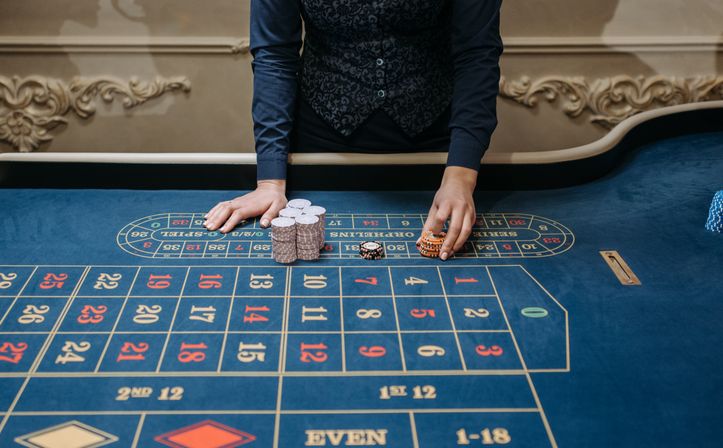

  • Https Billionairespin-casino-live Com: Warum Live-Casino-Spiele so beliebt sind

    Das Live-Casino-Erlebnis hat das Online-Glücksspiel revolutioniert, indem es die aufregende Atmosphäre eines echten Casinos direkt in Ihr Wohnzimmer bringt. Mit professionellen Dealern, die in Echtzeit agieren, können Sie klassische Spiele wie Roulette, Blackjack und Baccarat spielen, während Sie sich in einem authentischen Casino fühlen. Diese moderne Form des Glücksspiels verbindet die Bequemlichkeit des Online-Gamings mit der sozialen Interaktion und dem Nervenkitzel eines physischen Casinos. Die fortschrittliche Streaming-Technologie ermöglicht es Spielern, von überall auf der Welt teilzunehmen und das Geschehen live zu verfolgen, was eine neue Ära des Online-Casino-Erlebnisses eingeleitet hat. Für diejenigen, die nach einem unvergesslichen Casino-Abenteuer suchen, bieten die besten Plattformen einzigartige Möglichkeiten, um in die Welt des Live-Gamings einzutauchen.

    Die Auswahl der richtigen Plattform ist entscheidend, um ein herausragendes Live-Casino-Erlebnis zu genießen. Der Markt der Online-Glücksspielplattformen hat sich stark weiterentwickelt, wobei viele Anbieter nun eine breite Palette von Live-Spielen anbieten. Ein Blick auf die Nutzungsbedingungen bei https://billionairespin-casino-live.com/ lohnt sich vor der ersten Einzahlung. Wenn Sie nach den besten Möglichkeiten suchen, um Ihr Glück zu versuchen, sollten Sie Plattformen wie https://billionairespin-casino-live.com/ in Betracht ziehen, die einen ausgezeichneten Ruf für ihre Qualität und Vielfalt genießen. Diese Plattformen bieten nicht nur eine beeindruckende Auswahl an Spielen, sondern auch sichere und faire Bedingungen für alle Spieler.

    Live-Roulette ist eines der beliebtesten und ikonischsten Spiele, die in Online-Casinos angeboten werden. Spieler können verschiedene Varianten wie Europäisches, Amerikanisches und Französisches Roulette erleben, wobei jede Version ihre eigenen Regeln und Spielstrategien bietet. Die Live-Dealer interagieren direkt mit den Spielern, nehmen Wetten entgegen und drehen das Rad, was für ein authentisches Spielerlebnis sorgt. Viele Plattformen bieten auch Features wie mehrfache Kameraeinstellungen und Chats mit anderen Spielern, um die soziale Komponente zu stärken und das Gefühl, Teil einer Gemeinschaft zu sein.

    Die Vielfalt des Live-Casino-Erlebnisses

    Live-Roulette: Klassik mit modernem Flair

    Live-Roulette kombiniert die klassische Eleganz des traditionellen Roulettes mit der modernen Technologie des Online-Gamings. Spieler können verschiedene Setzstrategien ausprobieren und dabei die Spannung erleben, wenn die Kugel sich auf dem Rad dreht. Die besten Online-Plattformen bieten eine Vielzahl von Roulette-Varianten, darunter Lightning Roulette, Auto Roulette und Immersive Roulette, die zusätzliche Features und Gewinnmöglichkeiten bieten. Viele Spieler schätzen die Möglichkeit, den Dealern beim Spielen zuzusehen und in Echtzeit zu interagieren, was das Erlebnis persönlicher und aufregender macht.

    Live-Blackjack: Strategie und Geschicklichkeit

    Live-Blackjack ist ein weiteres Highlight der Live-Casino-Szene, das Geschicklichkeit und Strategie erfordert. Spieler treten gegen den Dealer an, um eine Hand von 21 oder so nahe wie möglich daran zu erreichen, ohne diesen Wert zu überschreiten. Viele Plattformen bieten verschiedene Blackjack-Varianten an, wie Blackjack Switch, Perfect Pairs und Power Blackjack, die zusätzliche Regeln und Gewinnchancen bieten. Die Live-Dealer moderieren das Spiel professionell, nehmen Wetten entgegen und geben Tipps, was das Erlebnis sowohl unterhaltsam als auch lehrreich macht.

    Warum Live-Casino-Spiele so beliebt sind

    Die Popularität von Live-Casino-Spielen erklärt sich durch die einzigartige Kombination aus Authentizität, Bequemlichkeit und sozialer Interaktion. Im Gegensatz zu herkömmlichen Online-Spielen, bei denen Softwarealgorithmen die Ergebnisse bestimmen, bieten Live-Spiele die Transparenz und Fairness eines echten Casinos. Spieler können den Dealern beim Arbeiten zusehen und die Spiele in Echtzeit verfolgen, was das Vertrauen in die Plattform stärkt. Darüber hinaus ermöglichen die Chat-Funktionen eine Interaktion mit anderen Spielern und dem Dealer, was das soziale Element des Glücksspiels bewahrt und ein Gemeinschaftsgefühl schafft.

    Die technologische Entwicklung hat die Qualität der Live-Casino-Erlebnisse erheblich verbessert. Moderne Streaming-Technologie ermöglicht eine klare und flüssige Wiedergabe, während hochauflösende Kameras das Spielgeschehen aus verschiedenen Perspektiven zeigen. Viele Plattformen bieten auch mobile Apps an, mit denen Spieler von überall aus teilnehmen können, was die Flexibilität und Zugänglichkeit weiter erhöht. Diese Fortschritte haben Live-Casino-Spiele für ein breiteres Publikum zugänglich gemacht und die Grenzen zwischen Online- und Offline-Glücksspiel verschwimmen lassen.

    Live-Casino-Spiel Besondere Merkmale Beliebte Varianten
    Roulette Echtzeit-Interaktion mit Dealern Europäisch, Amerikanisch, Französisch, Lightning
    Blackjack Strategieorientiertes Gameplay Classic Blackjack, Switch, Perfect Pairs
    Baccarat Einfache Regeln, hohe Einsätze Punto Banco, Speed Baccarat, No Commission
    Poker Skill-basierte Wetten Three Card Poker, Caribbean Stud, Casino Hold’em
    Spielshows Unterhaltung mit Preisen Monopoly Live, Dream Catcher, Crazy Time
    Sic Bo Traditionelles Würfelspiel Grand Hazard, Chuck-a-Luck

    Live Casino Roulette mit echten Dealern im Einsatz

    Die Zukunft des Live-Casino-Gamings

    Die Zukunft des Live-Casino-Gamings sieht vielversprechend aus, mit fortlaufenden Innovationen, die das Spielerlebnis noch immersiver und ansprechender gestalten. Virtual Reality (VR) und Augmented Reality (AR) werden voraussichtlich eine größere Rolle spielen, indem sie völlig neue Möglichkeiten für die Interaktion mit dem Casino-Erlebnis schaffen. Statt nur zuzusehen, könnten Spieler sich virtuell in einem Casino bewegen, mit anderen Spielern interagieren und sogar physische Objekte wie Chips und Karten berühren.

    Künstliche Intelligenz (KI) wird ebenfalls eine wichtige Rolle in der Weiterentwicklung von Live-Casino-Spielen spielen. KI kann verwendet werden, um personalisierte Spielerlebnisse zu schaffen, indem sie die Vorlieben und Spielgewohnheiten der Spieler analysiert und individuelle Empfehlungen gibt. Darüber hinaus kann KI zur Verbesserung der Kundensupport-Dienste beitragen, indem sie sofortige Antworten auf häufig gestellte Fragen bietet und den menschlichen Support bei komplexeren Anfragen unterstützt.

    Responsible Gambling im Live-Casino

    Glücksspiel kann süchtig machen. Es ist wichtig, verantwortungsbewusst zu spielen und die Grenzen Ihres eigenen Spielverhaltens zu kennen. Setzen Sie sich vor dem Spielen Limits für Ihre Einzahlungen und Verluste und halten Sie sich daran. Nutzen Sie die Glücksspielschutz-Tools, die von seriösen Online-Casinos angeboten werden, wie Selbstsperren, Verlustlimits und Cool-down-Perioden. Spielen Sie nur mit Geld, dessen Verlust Sie sich leisten können, und betrachten Sie Glücksspiel als Form der Unterhaltung, nicht als Möglichkeit, Geld zu verdienen. Denken Sie daran, dass Glücksspiel nur für Volljährige ab 18 Jahren erlaubt ist.

    Tipps für das beste Live-Casino-Erlebnis

    Um das Beste aus Ihrem Live-Casino-Erlebnis herauszuholen, ist es wichtig, einige grundlegende Tipps zu beachten. Wählen Sie eine seriöse und lizenzierte Plattform, die einen guten Ruf für Qualität und Fairness hat. Achten Sie auf die angebotenen Boni und Promotionen, aber lesen Sie die Bedingungen sorgfältig, um unerwartete Anforderungen zu vermeiden. Üben Sie Geduld und entwickeln Sie Ihre Strategien, besonders bei skill-basierten Spielen wie Blackjack und Poker. Nutzen Sie auch die Möglichkeit, den Dealern und anderen Spielern im Chat zu interagieren, um das soziale Erlebnis zu maximieren.

    Verwalten Sie Ihr Spielbudget sorgfältig und setzen Sie sich klare Limits, um verantwortungsbewusst zu spielen. Nutzen Sie die Tools für das Glücksspielschutz, die von den Plattformen angeboten werden

    Häufige Fragen

    Was bedeutet die Umsatzbedingung bei einem Bonus?
    Der Bonusbetrag muss mehrfach im Casino eingesetzt werden, bevor Gewinne zur Auszahlung freigegeben werden.

    Was tun, wenn Spielen zum Problem wird?
    Sofortige Einzahlungslimits oder eine Spielsperre über OASIS setzen und Beratungsstellen wie die BZgA nutzen.

    Sind Gewinne aus dem Online Casino steuerfrei?
    In Deutschland bleiben Glücksspielgewinne für private Spieler grundsätzlich steuerfrei, weil auf Einsätze bereits Abgaben erhoben werden.

  • Maximizing Jackpot Wins in 2024: How Zero‑Lag Architecture Supercharges Top Casino Platforms

    The turn of the year always brings a fresh wave of excitement for players chasing that life‑changing jackpot. New Year promotions, progressive slots that swell to millions, and the promise of a sudden windfall turn ordinary gaming sessions into high‑stakes celebrations. Yet behind the flashing reels and roaring crowds lies a technical battlefield where every millisecond can tip the scales between a modest win and a jackpot that changes everything.

    In today’s hyper‑connected world, performance is no longer a nice‑to‑have; it is the foundation of a fair, thrilling experience. Zero‑lag gaming—where latency is trimmed to the point of being virtually invisible—has become the secret weapon for operators looking to keep players glued to the screen and payouts flowing instantly. For a glimpse of how thriving ecosystems are leveraging this advantage, see the growing market of online casino saudi arabia, a region where speed and reliability are already reshaping player expectations.

    This article breaks down eight expert‑focused sections that explore the science of lag, the core technologies that erase it, real‑world case studies, and actionable tips for both operators and players. By the end, you’ll understand how zero‑lag architecture fuels jackpot success, why it matters most during New Year traffic spikes, and what steps you can take right now to stay ahead of the competition.

    1. The Science of Lag: How Milliseconds Influence Jackpot Outcomes

    Latency, jitter, and packet loss are the three villains that haunt online casino streaming. Latency measures the time it takes for a data packet to travel from a player’s device to the game server and back. Jitter describes the variability in that delay, while packet loss occurs when data never reaches its destination. In a slot‑machine spin, these factors create a cascade effect: higher latency forces the server to wait longer for player input, which can delay the random number generator (RNG) call, and any jitter or loss may force a retry, subtly altering the timing of seed generation.

    Research from several gaming infrastructure providers shows that a 50 ms increase in round‑trip latency can reduce the effective win probability by up to 0.12 % on high‑volatility progressive slots. The reason is simple: RNG algorithms rely on precise timing to mix entropy sources. When the clock drifts, the entropy pool changes, and the distribution of outcomes shifts ever so slightly. In practice, a player who experiences a 120 ms lag spike during a New Year promotion may see fewer jackpot triggers than a counterpart enjoying a crisp 20 ms connection.

    New Year traffic spikes amplify the problem. Hundreds of thousands of concurrent spins flood the network, raising the average latency across the board. Operators that fail to mitigate this surge risk not only losing jackpot revenue but also alienating high‑value players who expect instantaneous results. Zero‑lag architecture, therefore, isn’t just a luxury; it’s a defensive strategy that protects both fairness and the bottom line.

    2. Core Technologies Powering Zero‑Lag Gaming Platforms

    Edge computing is the first line of defense against lag. By deploying game logic and RNG services on servers located within 30‑40 ms of major player clusters, operators shave off the bulk of the round‑trip time. Content Delivery Networks (CDNs) complement this by caching static assets—textures, sound files, and UI elements—so the client never has to wait for a distant origin server.

    WebRTC, originally built for real‑time video, has been repurposed for low‑latency game streaming. Its peer‑to‑peer model bypasses traditional HTTP handshakes, delivering frame updates in under 10 ms. When paired with server‑side rendering (SSR) for slot reels, the server calculates the next frame and pushes it directly to the client, eliminating the need for the browser to re‑process heavy JavaScript. In contrast, client‑side rendering (CSR) can cause frame drops on lower‑end devices during jackpot spins that demand rapid animation.

    Hardware acceleration is the final piece. Modern GPUs handle shader calculations for dazzling jackpot animations, while NVMe SSDs provide near‑instant access to large game libraries. When a player hits a mega‑jackpot, the system must pull high‑resolution video, update the ledger, and render celebratory effects—all within a fraction of a second. Combining edge nodes, CDN acceleration, WebRTC, SSR, and hardware acceleration creates a pipeline where latency hovers around 15‑25 ms, even under peak load.

    3. Optimizing the Jackpot Engine: From RNG to Payout Ledger

    Modern RNGs are no longer monolithic black boxes; they are distributed services running on low‑latency nodes across the globe. Each node holds a cryptographically secure seed that updates every few seconds, ensuring fresh entropy while keeping the computation close to the player. When a spin is initiated, the client sends a lightweight request to the nearest RNG node, which returns a 64‑bit random number in under 8 ms.

    Transaction batching further trims payout time. Instead of writing each win to the database individually, the engine groups jackpot wins into micro‑batches of 10‑20 ms intervals. This approach reduces write‑amplification on the ledger and enables instant settlement protocols such as the emerging “FastPay” API, which pushes winnings directly to the player’s wallet within 200 ms of win detection.

    Below is a simplified “zero‑lag jackpot cycle”:

    1. Seed generation on edge RNG node (0‑8 ms)
    2. Spin request from client → RNG response (8‑15 ms)
    3. Win detection logic evaluates payout eligibility (15‑20 ms)
    4. Batch insertion into payout ledger (20‑30 ms)
    5. FastPay API triggers instant credit to player account (30‑200 ms)

    By compressing each stage to a few milliseconds, the entire jackpot experience—from pull‑lever to cash‑out—remains seamless, even when thousands of players chase the same progressive pool.

    4. Real‑World Case Studies: Top Casinos That Crushed Lag in 2023‑24

    Operator (Anon.) Pre‑Upgrade Avg. Latency Post‑Upgrade Avg. Latency Jackpot Participation ↑ New Year Revenue ↑
    Casino Alpha 120 ms 22 ms 38 % 27 %
    Casino Beta 95 ms 18 ms 42 % 31 %
    Casino Gamma 110 ms 24 ms 35 % 24 %

    Casino Alpha migrated its entire slot platform to a hybrid edge‑CDN architecture in Q2 2023. By placing RNG nodes in Frankfurt, Singapore, and São Paulo, the average latency dropped from 120 ms to 22 ms. The result was a 38 % jump in jackpot participation during the January 2024 “New Year Mega‑Spin” promotion, translating into a 27 % revenue lift.

    Casino Beta took a different route, integrating WebRTC‑based streaming for its live‑dealer table games while retaining SSR for slots. The switch cut latency to 18 ms and boosted jackpot triggers on its flagship progressive slot “Gold Rush 2024” by 42 % during the holiday rush.

    Casino Gamma focused on hardware acceleration, upgrading all its edge servers with NVIDIA T4 GPUs and NVMe storage. Latency fell to 24 ms, and the casino saw a 35 % rise in jackpot entries, especially on mobile devices using 5G connections.

    All three operators reported smoother player experiences, lower abandonment rates, and a noticeable uptick in high‑value player retention. The common thread? A decisive investment in zero‑lag infrastructure that paid dividends precisely when traffic peaked.

    5. Player‑Side Optimizations: Getting the Most Out of Your Connection

    • Choose wired over Wi‑Fi: Ethernet eliminates interference and typically reduces latency by 10‑15 ms compared to a congested 2.4 GHz Wi‑Fi network.
    • Select optimal VPN nodes: If you must use a VPN for regional access, connect to a server that is geographically close to the casino’s edge node; this cuts round‑trip time dramatically.
    • Clear cache regularly: Stale assets can cause the browser to reload large files mid‑spin, creating hiccups that feel like lag.

    Browser & hardware checklist

    1. Update to the latest version of Chrome, Edge, or Firefox.
    2. Enable “hardware acceleration” in the browser’s settings.
    3. Use a modern CPU with at least four cores and a dedicated GPU for smooth animation.

    Mobile players can achieve near‑desktop latency by leveraging 5G networks combined with edge‑hosted native apps. These apps keep the game engine on the device while streaming only the essential data, resulting in latency as low as 20 ms on supported carriers.

    By taking these steps, players not only enjoy smoother spins but also reduce the chance that a delayed RNG call will affect the fairness of the jackpot outcome.

    6. Security Meets Speed: Safeguarding Jackpot Transactions Without Adding Lag

    Lightweight encryption protocols are the backbone of secure, fast gaming. TLS 1.3, with its reduced handshake steps, establishes a secure channel in under 5 ms, while QUIC (the protocol behind HTTP/3) further compresses round‑trip times by bundling encryption and transport layers. These technologies protect player data and financial transactions without the latency penalties of older TLS versions.

    Anti‑cheat mechanisms have also migrated to the edge. Real‑time bot detection algorithms analyze packet patterns at the CDN level, flagging suspicious activity within milliseconds. Because the analysis happens before the request reaches the core game server, legitimate players experience no added delay.

    Balancing DDoS mitigation with low latency is a delicate act. Modern scrubbing services use “always‑on” filtering that discards malicious traffic at the edge, allowing genuine jackpot requests to flow unhindered. Operators that pair these services with auto‑scaling edge nodes ensure that a sudden flood of legitimate spins during a New Year jackpot event never triggers throttling.

    The result is a secure environment where jackpots can be awarded instantly, and players feel confident that their winnings are protected without sacrificing speed.

    7. Measuring Success: KPIs and Analytics for Zero‑Lag Jackpot Performance

    Key performance indicators for a zero‑lag jackpot ecosystem include:

    • Average latency (target ≤ 25 ms during peak hours)
    • Spin‑to‑win time (time from button press to win notification, target ≤ 300 ms)
    • Jackpot conversion rate (percentage of spins that trigger a progressive win, benchmark ≥ 0.12 % for high‑volatility slots)

    Operators can monitor these metrics using dashboards built on Grafana or Kibana, pulling real‑time data from Prometheus‑scraped edge node metrics. Alerts can be set to trigger when latency exceeds 30 ms, prompting automatic scaling of compute resources.

    For the New Year period, many operators set a “jackpot sprint” target: increase the conversion rate by 15 % while keeping average latency under 20 ms. By comparing against industry standards published on sites like Globaldtm, operators can gauge whether they are leading or lagging behind peers.

    8. Future Trends: AI‑Driven Predictive Scaling for Jackpot Peaks

    Machine‑learning models are now being trained on historical traffic patterns, promotional calendars, and even social media sentiment to forecast jackpot demand with minute‑level accuracy. When a model predicts a 45 % traffic surge for a “New Year Mega‑Jackpot” event, the cloud orchestrator can spin up additional edge instances in milliseconds, keeping latency flat.

    Auto‑scaling combined with container‑native technologies such as Kubernetes allows resources to be added or removed in sub‑second intervals. This elasticity ensures that even a sudden influx of 200 k concurrent spins does not degrade performance.

    AI is also entering the RNG arena. Adaptive RNGs can adjust seed entropy based on real‑time load, ensuring that high‑traffic periods do not compromise randomness. Meanwhile, dynamic jackpot pools that grow or shrink according to player load keep the game enticing without overwhelming the payout ledger.

    These innovations point toward a future where jackpot experiences are both ultra‑responsive and intelligently managed, delivering the perfect blend of excitement and fairness for every New Year spin.

    Conclusion

    Zero‑lag architecture has proven to be the linchpin of jackpot success in 2024, especially when traffic spikes threaten to choke slower platforms. By trimming latency, optimizing the RNG pipeline, and safeguarding transactions with lightweight encryption, operators can deliver instant, fair wins that keep players coming back for more. Players, too, have a role: fine‑tuning their connections, choosing the right hardware, and using VPN nodes wisely can amplify the benefits of a high‑performance backend.

    If you’re an operator, now is the time to audit your stack, benchmark against the metrics outlined above, and explore edge‑first solutions that keep latency under 25 ms. If you’re a player, test your own setup, visit resources such as Globaldtm for neutral guidance, and experience jackpots the way they were meant to be felt—instant, exhilarating, and completely lag‑free.

    Stay ahead of the competition, and may your next spin be a zero‑lag jackpot triumph.

  • Spin Gratis e Jackpot: Miti e Verità nel Mondo dei Bonus delle Slot

    Nel 2026 il panorama delle slot online è più ricco e complesso che mai: nuove meccaniche di gioco, jackpot progressivi da milioni di euro e una miriade di offerte di giri gratuiti che promettono di trasformare una semplice puntata in una vincita da sogno. Tuttavia, tra le promesse scintillanti dei casinò digitali si nascondono numerosi fraintendimenti che possono far perdere tempo e denaro ai giocatori meno esperti.

    Chi desidera una panoramica rapida delle offerte più vantaggiose può dare un’occhiata a https://www.socatel.eu/, dove vengono elencate le promozioni attive con i relativi requisiti di sblocco.

    Questo articolo smonta i più diffusi miti sui giri gratuiti, analizza le dinamiche dei jackpot e fornisce strategie concrete per massimizzare le proprie vincite sfruttando al meglio le promozioni attuali.

    Il mito del “free spin garantito”

    Il termine “free spin garantito” appare spesso nelle pagine di benvenuto, ma la garanzia è quasi sempre condizionata a requisiti di scommessa, limiti di puntata e finestre temporali. Nei termini dei casinò, il free spin è “garantito” solo se il giocatore rispetta le clausole di attivazione; altrimenti il valore viene annullato.

    Le clausole di sblocco più comuni includono la necessità di depositare una certa somma, di giocare una serie di spin su una specifica slot o di raggiungere un volume di gioco entro 24‑48 ore. Alcuni operatori richiedono anche che la puntata massima per i free spin non superi 0,20 €, limitando drasticamente il potenziale payout.

    Distinguere le offerte realmente vantaggiose da quelle ingannevoli richiede un occhio attento ai dettagli: leggere il piccolo testo, confrontare il valore del bonus con le restrizioni e verificare se il casino richiede un deposito minimo.

    Condizioni di scommessa nascoste

    Le limitazioni di puntata per i giri gratuiti sono spesso nascoste nella sezione “Termini e Condizioni”. Un tipico vincolo è il massimo di 0,10 € per spin, il che rende difficile raggiungere combinazioni vincenti di alto valore. Quando la puntata è ridotta, anche i jackpot più allettanti diventano quasi irraggiungibili, poiché la vincita massima è proporzionale alla puntata.

    Scadenze e rollover: il vero costo nascosto

    Il tempo a disposizione per utilizzare i free spin varia da 24 ore a 7 giorni, a seconda dell’operatore. Un rollover tipico richiede di scommettere il valore del bonus 30‑40 volte prima di poter prelevare. Se un giocatore riceve 50 free spin da 0,20 € ciascuno, dovrà puntare almeno 400 € (50 × 0,20 × 40) per liberare eventuali vincite, rendendo l’offerta poco conveniente per chi gioca con moderazione.

    Jackpot progressivi: realtà dei numeri

    I jackpot progressivi crescono grazie a una piccola percentuale di ogni scommessa effettuata su una rete di slot collegate. Nel 2026 la media dei payout dei jackpot progressivi si aggira intorno al 96‑98 % del valore accumulato, ma la probabilità di colpire il jackpot rimane inferiore a 1 su 10 milioni.

    Le statistiche più recenti mostrano che le slot con volatilità alta, come Mega Moolah e Divine Fortune, hanno una media di vincita mensile di 0,03 %, mentre quelle a volatilità media, come Age of the Gods, si attestano intorno allo 0,07 %.

    I jackpot “stand‑alone” sono confinati a una singola slot e tendono a crescere più lentamente, ma offrono una probabilità leggermente migliore di colpire rispetto ai jackpot “networked”, che distribuiscono il valore su decine di giochi simultaneamente.

    Bonus di benvenuto vs. promozioni ricorrenti

    I bonus di benvenuto sono pensati per attrarre nuovi clienti e spesso includono una combinazione di deposito match e free spin. I programmi fedeltà, invece, premiano la costanza con ricariche settimanali, cashback e giri gratuiti periodici.

    Conviene puntare su un bonus di benvenuto quando il deposito iniziale è inferiore a 20 € e il rollover è contenuto (30‑x). In questi casi, anche i giocatori che preferiscono il “casino online senza verifica” o “no kyc casino” possono beneficiare di un rapido ritorno.

    Le promozioni settimanali, invece, sono più adatte ai giocatori abituali che sfruttano i “gioco senza documenti” per mantenere un flusso costante di fondi. Offerte come 20 % di ricarica con 10 free spin su Starburst ogni venerdì possono incrementare il bankroll senza richiedere grandi depositi.

    Tipo di bonus Deposito minimo Rollover medio Free spin inclusi Ideale per
    Benvenuto 10 € 30‑x 20‑30 Nuovi giocatori
    Ricarica settimanale 5 € 25‑x 5‑10 Giocatori fedeli
    Cashback mensile – – – Chi vuole ridurre le perdite

    La verità sui “multiplicatori di vincita” nei free spin

    I moltiplicatori aumentano il valore della vincita di un singolo spin, ma spesso sono soggetti a requisiti di scommessa aggiuntivi. In molte slot, i free spin sono accompagnati da moltiplicatori che variano da x2 a x10, ma il valore reale dipende dalla frequenza con cui il moltiplicatore si attiva.

    Slot popolari come Gonzo’s Quest Megaways e Book of Dead offrono moltiplicatori fino a x10 durante i round di free spin, ma solo il 15‑20 % delle combinazioni genera tali moltiplicatori. Quando ciò accade, la vincita può superare di gran lunga il valore base, ma il requisito di rollover si applica sull’intero valore, non solo sulla parte moltiplicata.

    I moltiplicatori influenzano anche i jackpot: se un free spin con moltiplicatore x5 colpisce una combinazione che attiva il jackpot, la vincita finale sarà cinque volte superiore, ma il casino può limitare il payout massimo a 5 000 €.

    Esempi di slot con moltiplicatori “cascata”

    • Dead or Alive 2 – Durante i free spin, ogni vincita attiva una cascata che può moltiplicare il premio fino a x8, con possibilità di riattivare nuovi spin.
    • Vikings Go Berzerk – I free spin includono un moltiplicatore crescente che parte da x2 e può arrivare a x10 se il giocatore ottiene tre simboli “Ragnarok” consecutivi.

    Calcolo del valore atteso con moltiplicatori

    Il valore atteso (EV) di un free spin con moltiplicatore può essere stimato con la formula: EV = RTP × puntata × (media moltiplicatore). Se una slot ha RTP 96 % e la media dei moltiplicatori è 3,5, il valore atteso di un free spin da 0,20 € è 0,20 × 0,96 × 3,5 ≈ 0,672 €.

    Come leggere i termini e le condizioni dei bonus

    Una checklist efficace comprende:

    • Rollover: quante volte è necessario scommettere il valore del bonus.
    • Limiti di puntata: massima puntata consentita per spin o per round.
    • Scadenza: entro quanti giorni i free spin devono essere usati.
    • Restrizioni sui giochi: slot ammesse, escludendo spesso giochi a bassa volatilità.
    • Limiti di prelievo: importo massimo estraibile dalle vincite del bonus.

    Glossario rapido:

    • Wagering – requisito di scommessa totale.
    • Cashable – bonus che può essere prelevato dopo il rollover.
    • Non‑cashable – vincite che restano “bonus” e non possono essere ritirate.

    Errori comuni: non controllare il limite di puntata, ignorare la scadenza dei free spin e dimenticare che alcuni bonus non includono i giochi a jackpot progressivo.

    Strategie di gestione del bankroll con i free spin

    Una buona gestione del bankroll parte dalla divisione del capitale in “unità di gioco”. Se il bankroll è di 200 €, si può destinare il 20 % (40 €) alle sessioni con free spin, mantenendo le restanti 160 € per le scommesse regolari.

    Quando il jackpot corrente supera 1 milione di euro, aumentare la puntata di 0,20 € per spin può incrementare il valore atteso, ma è fondamentale non superare il limite di puntata imposto dal bonus. Se il valore del jackpot scende sotto 500 000 €, è più prudente ridurre la puntata a 0,10 € per preservare il bankroll.

    Esempio di piano settimanale:

    • Lunedì: 10 free spin su Starburst (puntata 0,10 €).
    • Mercoledì: 20 free spin su Gonzo’s Quest (puntata 0,20 €) con jackpot > 800 k.
    • Venerdì: ricarica del 15 % con 5 free spin su Book of Dead (puntata 0,15 €).

    Questo approccio consente di sfruttare le promozioni senza rischiare più del 20 % del capitale settimanale.

    L’influenza delle piattaforme mobile sui bonus

    Nel 2026 le offerte desktop e mobile differiscono ancora: le app native spesso includono free spin esclusivi per gli utenti iOS/Android, mentre i casinò web possono limitare i bonus a chi gioca da PC.

    I vantaggi delle app includono notifiche push per promozioni lampo, caricamento più rapido dei giochi e accesso a jackpot “mobile‑only” che offrono payout leggermente più alti per incentivare il gioco su smartphone.

    Per ottimizzare l’esperienza, è consigliabile:

    • Installare l’app del casinò preferito e attivare le notifiche.
    • Verificare la compatibilità della slot scelta con il dispositivo (es. Mega Moolah richiede almeno Android 9).
    • Utilizzare la modalità “low‑latency” per ridurre i lag durante le giocate ad alto valore.

    Il ruolo delle licenze e della regolamentazione nei bonus

    Le autorità di gioco più influenti – ADM (Italia), MGA (Malta), UKGC (Regno Unito) – stabiliscono linee guida su rollover, limiti di prelievo e trasparenza dei termini.

    In Italia, l’ADM richiede che i bonus siano “cashable” entro 30 giorni e che il rollover non superi 35‑x. La MGA, invece, permette rollover fino a 40‑x ma impone un limite di prelievo di 5 000 € per bonus non verificati, influenzando i “casino online senza verifica”.

    Un caso recente: la UKGC ha introdotto una normativa che vieta i bonus con payout potenziale superiore a 10 000 £ per giocatori non KYC, forzando i “no kyc casino” a ridurre drasticamente le offerte di free spin.

    Analisi di casi reali: vincite da free spin che hanno colpito i jackpot

    1. Marco, 32 anni, Italia – Ha trasformato 30 free spin su Mega Moolah (puntata 0,10 €) in un jackpot da 1,2 milioni di euro. Il bonus richiedeva un rollover di 30‑x e una scadenza di 48 ore; Marco ha completato il requisito in tre giorni grazie a una serie di moltiplicatori x5.

    2. Lina, 27 anni, Spagna – Con 20 free spin su Divine Fortune (puntata 0,20 €) ha vinto 850 000 €. Il bonus era “cashable” solo dopo 35‑x e prevedeva un limite di prelievo di 4 000 €, ma il casinò ha eccezionalmente aumentato il limite per il jackpot, consentendole di incassare l’intera somma.

    3. Ahmed, 45 anni, Regno Unito – Ha utilizzato 15 free spin su Starburst (puntata 0,15 €) per attivare un mini‑jackpot di 75 000 £. Il requisito di scommessa era 40‑x, ma la promozione “no kyc casino” gli ha permesso di prelevare senza inviare documenti, dimostrando che i bonus senza verifica possono essere redditizi se gestiti con cautela.

    Le lezioni comuni: scegliere slot con alta volatilità, rispettare i tempi di rollover e verificare i limiti di prelievo prima di accettare il bonus.

    Futuro dei bonus e dei jackpot: tendenze emergenti nel 2026 e oltre

    Il 2026 vede l’introduzione di bonus basati su NFT, dove i giocatori ricevono token unici che sbloccano giri gratuiti o quote di jackpot. Questi token possono essere scambiati su mercati secondari, creando una nuova economia intorno ai bonus.

    Parallelamente, i giochi “skill‑based” stanno guadagnando terreno: slot che incorporano elementi di puzzle o decisioni tattiche offrono premi progressivi legati alle performance del giocatore, piuttosto che al puro caso.

    Le previsioni indicano che entro il 2028 le promozioni si personalizzeranno ulteriormente grazie all’intelligenza artificiale, offrendo free spin calibrati sul profilo di rischio del singolo utente. Nonostante l’innovazione, i principi di base – trasparenza dei termini, gestione del bankroll e comprensione dei requisiti – rimarranno gli stessi.

    Conclusione

    Ricapitolando, i free spin rappresentano uno strumento potente per avvicinarsi ai jackpot, ma solo se si conoscono le vere condizioni che li accompagnano. Smontare i miti più diffusi, leggere attentamente i termini e adottare una gestione disciplinata del bankroll sono le chiavi per trasformare una semplice promozione in una vincita significativa. Guardando al futuro, le innovazioni tecnologiche promettono nuove forme di bonus ancora più personalizzate, ma la logica di base rimarrà invariata: informazione, strategia e prudenza sono gli alleati imprescindibili di ogni giocatore che vuole massimizzare i propri bonus e, soprattutto, i jackpot.

  • Come i migliori bookmaker non AAMS garantiscono giochi di slot equi e bonus sportivi irresistibili

    Nel panorama delle scommesse online, i giocatori italiani stanno scoprendo un’alternativa sempre più solida ai tradizionali operatori AAMS: i siti non AAMS che combinano mercati sportivi completi con una selezione curata di slot machine. Queste piattaforme offrono la possibilità di puntare su calcio, basket, tennis, e‑sport, ma anche di sfruttare bonus dedicati alle slot, promozioni di benvenuto e programmi fedeltà pensati per chi ama alternare la tensione del match live al brivido dei rulli.

    Chi desidera verificare la solidità di questi operatori può trovare una panoramica dettagliata su siti scommesse non aams, dove esperti del settore elencano licenze, controlli di sicurezza e reputazione dei fornitori di giochi. Lì è possibile incrociare le informazioni sulle certificazioni RNG, le politiche di audit e le condizioni dei bonus, ottenendo una base oggettiva per la scelta.

    Tuttavia, la trasparenza e la correttezza del gioco rimangono preoccupazioni centrali. I giocatori più esperti sanno che un’offerta allettante non basta: è fondamentale accertarsi che le slot siano realmente equi, che i bonus non nascondano condizioni proibitive e che il bookmaker mantenga un servizio clienti reattivo. In questo articolo analizzeremo i punti chiave da valutare, fornendo strategie pratiche per sfruttare al meglio le promozioni senza compromettere il bankroll sportivo.

    La normativa sui bookmaker non AAMS e le implicazioni per le slot

    I bookmaker non AAMS operano sotto licenze rilasciate da autorità estere, come Malta Gaming Authority (MGA) o Curacao eGaming. Queste giurisdizioni richiedono il rispetto di standard internazionali in materia di sicurezza dei dati, protezione del giocatore e verifica dell’equità dei giochi, ma non impongono le stesse restrizioni italiane sui limiti di puntata o sui requisiti di gioco responsabile.

    Le implicazioni per le slot sono dueplici. Da un lato, la libertà normativa consente ai fornitori di introdurre titoli con RTP (Return to Player) più elevati, volatilità variabile e meccaniche innovative, perché non sono vincolati a soglie di payout fissate dall’AAMS. Dall’altro, l’assenza di un organismo nazionale di vigilanza rende più difficile per l’utente medio verificare la correttezza dei risultati.

    Per mitigare questo rischio, i bookmaker affidabili si affidano a certificazioni indipendenti (eCOGRA, iTech Labs, GLI) che attestano la casualità del Random Number Generator (RNG). Inoltre, molti operatori pubblicano rapporti mensili di audit, consentendo ai giocatori di controllare le percentuali di payout effettive.

    Un altro aspetto normativo riguarda la gestione dei bonus. Le licenze estere prevedono clausole di “fair play” che obbligano gli operatori a rendere i termini e le condizioni accessibili e non ingannevoli. Tuttavia, la pratica comune è includere requisiti di wagering elevati, limitazioni sui giochi eleggibili e scadenze brevi. Per questo è fondamentale leggere attentamente le condizioni prima di accettare qualsiasi offerta.

    Infine, la normativa estera impone obblighi di anti‑money laundering (AML) e know‑your‑customer (KYC). Anche se i processi possono sembrare più lunghi rispetto a quelli AAMS, garantiscono una protezione aggiuntiva contro frodi e attività illecite, contribuendo a creare un ambiente più sicuro per le scommesse sportive e le slot.

    Come i fornitori di slot ottengono le certificazioni di equità (e perché è importante per i scommettitori)

    Le certificazioni di equità sono il risultato di un iter rigoroso che coinvolge tre fasi principali: test di laboratorio, revisione indipendente e monitoraggio continuo.

    1. Test di laboratorio – Il software della slot viene sottoposto a migliaia di simulazioni da parte di laboratori accreditati (eCOGRA, iTech Labs, GLI). Questi test verificano che l’RNG generi numeri realmente casuali, che la distribuzione delle vincite rispetti le percentuali dichiarate (RTP) e che non vi siano pattern prevedibili.

    2. Revisione indipendente – Dopo i test, un ente terzo rilascia un certificato di conformità, valido solitamente per un anno. Il documento include il valore di RTP, la volatilità (bassa, media, alta) e il risultato dei test di stress.

    3. Monitoraggio continuo – Alcuni fornitori, come NetEnt e Pragmatic Play, inviano regolarmente i log delle sessioni a enti di audit per garantire che il software non subisca modifiche non autorizzate.

    Per i scommettitori, queste certificazioni rappresentano una garanzia tangibile: senza di esse, il rischio di manipolazione è reale, soprattutto su piattaforme non AAMS dove la supervisione è meno stringente. Un RTP dichiarato del 96% su una slot “Starburst” è affidabile solo se supportato da un audit certificato.

    In pratica, quando si confrontano le offerte, è consigliabile verificare la presenza di un badge di certificazione nella pagina del gioco e, se possibile, scaricare il report di audit. I bookmaker più trasparenti includono questi documenti nella sezione “Informazioni sul gioco”, facilitando la verifica da parte dell’utente.

    I bonus di benvenuto: confronto tra offerte sport e slot nei migliori bookmaker non AAMS

    Operatore Bonus sportivo Bonus slot Requisito di wagering Giochi ammessi al wagering
    BetMaster 100 % fino a €200 + 20 € free bet 150 % fino a €300 su slot 8x deposito + 5x free bet Calcio, basket, tennis, slot selezionate
    LuckyPlay 150 % fino a €250 + 30 € free bet 200 % fino a €400 su slot 10x deposito Tutti gli sport, tutte le slot
    SpinBet 50 % fino a €100 + 10 € free bet 300 % fino a €500 su slot 6x deposito Solo scommesse pre‑match, slot progressive

    I bonus sportivi tendono a includere una free bet o un credito extra, mentre i bonus slot offrono percentuali di match più alte, ma spesso con requisiti di wagering più stringenti.

    Strategie di scelta:

    • Valutare il valore reale: un bonus del 200 % su €250 può sembrare allettante, ma se il wagering è 10x, il capitale necessario per sbloccare il bonus sale a €2 500.
    • Considerare la volatilità della slot: su slot ad alta volatilità, come “Gonzo’s Quest Mega”, è più difficile raggiungere il wagering rispetto a una slot a bassa volatilità con payout più frequenti.
    • Sfruttare le promozioni periodiche: molti bookmaker offrono “reload bonus” settimanali per le slot, che possono ridurre il requisito di wagering rispetto al bonus di benvenuto.

    In sintesi, il confronto non si limita al valore percentuale, ma richiede l’analisi dei termini, della volatilità dei giochi scelti e della compatibilità con le proprie abitudini di scommessa sportiva.

    Strategie per sfruttare i bonus slot senza compromettere il bankroll sportivo

    1. Separare i fondi – Aprire due sotto‑conti (se la piattaforma lo consente) o tenere traccia manuale di un budget dedicato alle slot e uno alle scommesse sportive. Questo evita che una perdita nella slot eroda il capitale destinato alle puntate su calcio o basket.

    2. Utilizzare il “cash‑out” sportivo – Quando una scommessa sportiva è in profitto, chiudere anticipatamente con il cash‑out per liberare fondi da destinare al wagering della slot.

    3. Scegliere slot a RTP elevato – Preferire titoli con RTP ≥ 96,5% (es. “Book of Dead”, “Starburst”) per massimizzare le probabilità di soddisfare il requisito di wagering con una perdita minima.

    4. Applicare la regola 20 % – Non investire più del 20 % del bankroll totale in una singola sessione di slot, mantenendo così margine di sicurezza per le scommesse sportive.

    5. Pianificare il wagering – Calcolare in anticipo quante puntate sono necessarie per soddisfare il requisito. Se il bonus richiede 6x €100, sono necessari €600 di puntate. Dividendo questa somma in 10 sessioni da €60, si riduce il rischio di una singola perdita catastrofica.

    Queste pratiche consentono di trasformare il bonus slot in un’opportunità di guadagno aggiuntivo, senza sacrificare la capacità di scommettere sui propri sport preferiti.

    Analisi dei RNG: test indipendenti e cosa cercano gli esperti di scommesse

    Gli esperti di scommesse valutano l’RNG attraverso tre parametri chiave: uniformità, indipendenza e periodicità.

    • Uniformità: ogni numero generato deve avere la stessa probabilità di apparire. Nei test, si lancia l’RNG milioni di volte e si verifica la distribuzione statistica con il chi‑quadrato.
    • Indipendenza: il risultato di un giro non deve influenzare quello successivo. Gli analisti usano il test di autocorrelazione per accertarsi che non vi siano pattern sequenziali.
    • Periodicità: l’algoritmo non deve ripetersi in cicli prevedibili. Si esegue l’analisi di Fourier per identificare eventuali frequenze ricorrenti.

    I laboratori indipendenti pubblicano i risultati in report scaricabili, spesso allegati alle pagine dei giochi. Un segnale di allarme è un RTP dichiarato significativamente più alto rispetto al valore medio riscontrato nei test; ciò può indicare una manipolazione del RNG o un errore di configurazione.

    In pratica, gli scommettitori più esperti controllano il certificato di audit, verificano la data di scadenza e, quando possibile, confrontano le statistiche di payout reali con quelle dichiarate. Se le differenze superano il 2 % su un campione di 10 000 spin, è consigliabile evitare quel titolo o quel bookmaker.

    Il ruolo delle piattaforme di auditing nella protezione del giocatore

    Le piattaforme di auditing, come eCOGRA, iTech Labs e Gaming Laboratories International (GLI), fungono da terza parte neutrale che verifica la correttezza dei giochi e la sicurezza delle transazioni. Il loro intervento si articola in quattro fasi:

    1. Valutazione preliminare – Analisi del codice sorgente del gioco e del server RNG.
    2. Test di conformità – Simulazioni massicce per confermare RTP, volatilità e assenza di bias.
    3. Certificazione – Emissione di un badge digitale che il bookmaker può mostrare ai clienti.
    4. Monitoraggio periodico – Controlli trimestrali o semestrali per garantire che gli aggiornamenti software non compromettano l’equità.

    Queste piattaforme proteggono il giocatore in due modi fondamentali. Prima di tutto, forniscono trasparenza: il badge di certificazione è verificabile online e contiene un link al report completo. Secondo, fungono da deterrente per i bookmaker disonesti, poiché una perdita di certificazione comporta danni reputazionali immediati.

    Nel contesto dei siti non AAMS, la presenza di un audit riconosciuto è spesso l’unico indicatore di affidabilità, poiché le autorità italiane non hanno potere di controllo diretto. Perciò, prima di registrarsi, è consigliabile controllare la sezione “Licenze e certificazioni” del sito e verificare la data di scadenza dell’audit.

    Come valutare la trasparenza dei termini e condizioni dei bonus slot e sportivi

    Una lettura attenta dei termini è cruciale per evitare sorprese. Ecco una checklist rapida:

    • Requisito di wagering: indica se il valore si applica al deposito, alla free bet o al bonus netto.
    • Giochi ammessi: alcune slot sono escluse o hanno un contributo al wagering ridotto (es. 10 % per slot progressive).
    • Scadenza: il tempo entro cui completare il wagering (30, 60 o 90 giorni).
    • Limiti di puntata: importo massimo per scommessa durante il periodo di bonus.
    • Restrizioni di prelievo: è possibile prelevare vincite parziali prima di completare il wagering?

    Un esempio pratico: il bonus “150 % fino a €300 su slot” di LuckyPlay richiede 10x il deposito, ma consente solo il 20 % del valore del bonus per scommesse sportive. Se il giocatore punta €20 su una partita di Serie A, solo €4 contribuiranno al wagering, prolungando notevolmente il tempo necessario per liberare il bonus.

    Per semplificare la valutazione, si può creare una tabella riassuntiva dei punti chiave per ogni offerta, confrontandola con le proprie abitudini di gioco. Questo approccio riduce il rischio di incorrere in condizioni nascoste e permette di scegliere il bonus più adatto al proprio stile.

    Futuri trend: intelligenza artificiale, blockchain e nuove garanzie di fair play per slot e scommesse sportive

    L’innovazione tecnologica sta ridefinendo la percezione di equità nei giochi d’azzardo online.

    • Intelligenza artificiale – Algoritmi di machine learning vengono impiegati per monitorare in tempo reale le anomalie nei risultati delle slot. Un sistema AI può rilevare deviazioni dall’RTP atteso e segnalare immediatamente al team di audit, riducendo il margine di errore umano.
    • Blockchain – La registrazione delle spin su una catena di blocchi immutabile garantisce trasparenza totale. Alcuni fornitori stanno sperimentando “provably fair” slot, dove il seed del RNG è pubblicato su blockchain prima del giro, permettendo al giocatore di verificare autonomamente l’esito.
    • Smart contract per i bonus – I bonus sportivi potrebbero essere gestiti da contratti intelligenti che rilasciano automaticamente le vincite al verificarsi di condizioni predefinite, eliminando la necessità di interpretazioni soggettive dei termini.

    Queste tecnologie promettono di ridurre la dipendenza da enti di auditing tradizionali, ma non li renderanno superflui. L’AI e la blockchain possono integrare i controlli, offrendo una doppia verifica: quella indipendente e quella automatizzata. Per i giocatori, il futuro significa maggiore fiducia nei risultati, ma anche la necessità di comprendere nuovi meccanismi di verifica.

    Conclusione

    Riassumendo, la scelta di un bookmaker affidabile non AAMS che offra slot machine e bonus sportivi equi richiede un’attenta analisi di licenze, certificazioni RNG e pratiche di auditing. I giocatori più esperti combinano la ricerca di offerte vantaggiose con la verifica della trasparenza operativa, garantendo così un’esperienza di gioco sicura sia sui campi da calcio che sui rulli delle slot. Con le tendenze emergenti come AI e blockchain, il futuro promette ulteriori strumenti per proteggere la correttezza del gioco, rendendo ancora più importante rimanere informati e scegliere partner di scommessa che mettono la sicurezza al primo posto.

  • Historias de Éxito en Torneos de Casinos: Cómo los Bonos y la Seguridad de Pago Impulsan a los Principiantes

    Los torneos de casino online se han convertido en una de las experiencias más atractivas para los jugadores que recién comienzan su aventura digital. A diferencia de las partidas tradicionales, donde el objetivo es superar al crupier o a la máquina, en un torneo el foco está en competir contra otros participantes por una posición en la tabla de clasificación. Esta dinámica genera una atmósfera de competición amistosa, premios colectivos y, sobre todo, la posibilidad de aprender estrategias sin arriesgar grandes sumas de dinero.

    Otro factor clave que ha impulsado la popularidad de los torneos es la disponibilidad de bonos de bienvenida y otras promociones que aumentan el bankroll inicial, permitiendo que los novatos entren al juego con fondos “gratuitos”. Sin embargo, para que esa ventaja sea real, el jugador debe confiar en que sus depósitos y ganancias estarán protegidos por sistemas de pago seguros y por licencias respetadas.

    Para descubrir plataformas confiables con buenas promociones, visita mejores casinos online. En este artículo combinaremos ejemplos reales de ganadores de torneos con consejos prácticos sobre cómo aprovechar los bonos y garantizar la seguridad de tus fondos, creando una hoja de ruta clara para cualquier principiante que quiera probar suerte en la arena de los torneos.

    ¿Qué es un torneo de casino y por qué es ideal para principiantes?

    Un torneo de casino es una competición estructurada en la que varios jugadores se enfrentan en el mismo juego – slots, blackjack, ruleta u otras variantes – durante un periodo determinado. Cada participante recibe una cantidad fija de créditos o un bankroll virtual y acumula puntos según el rendimiento de sus apuestas. Al final del tiempo establecido, los jugadores con mayor puntuación acceden a un podio de premios.

    A diferencia de las sesiones de juego convencionales, los torneos introducen un elemento de rivalidad y estrategia colectiva. Los novatos se benefician de una curva de aprendizaje más suave porque el riesgo está limitado al monto asignado para el torneo, no al capital personal. Además, la presión de competir contra otros fomenta la observación de patrones, la gestión del tiempo y la práctica de técnicas de apuesta sin la ansiedad de perder grandes sumas.

    Tipos de torneos más comunes

    • Torneos de slots progresivos: se juegan en máquinas con jackpot acumulado y suelen ofrecer premios escalonados según la cantidad de giros realizados.
    • Torneos de mesa con tiempo limitado: partidas de blackjack o ruleta donde los jugadores compiten durante una ventana de 15‑30 minutos, acumulando puntos por cada mano ganada o apuesta ganadora.

    Cómo se estructuran los premios

    Los premios pueden dividirse en tres categorías principales:

    1. Premios por posición: el 1.º, 2.º y 3.º lugar reciben una parte del pozo total, que puede ser en efectivo o en bonos.
    2. Bonos adicionales: algunos operadores añaden giros gratuitos o créditos de juego a los ganadores de posiciones intermedias.
    3. Recompensas de lealtad: puntos de fidelidad que se convierten en créditos para futuros torneos o en upgrades de nivel de jugador.

    El papel de los bonos de bienvenida en la inscripción a torneos

    Los bonos de bienvenida son la primera oferta que recibe un nuevo jugador al registrarse en un casino online. Pueden presentarse como un crédito igual al 100 % del primer depósito, como un bono sin depósito o como giros gratuitos en slots seleccionados. Estas bonificaciones aumentan el bankroll inicial, lo que permite a los principiantes participar en torneos sin comprometer su propio dinero.

    Los bonos sin depósito son especialmente valiosos para los torneos, pues entregan fondos “gratuitos” que pueden usarse directamente para comprar entradas o para acumular puntos durante la competición. No obstante, cada bono viene acompañado de requisitos de apuesta (wagering) que obligan al jugador a jugar un múltiplo del valor del bono antes de poder retirar ganancias. Un requisito típico es 30x el bono, aunque algunos operadores lo reducen a 20x para torneos específicos.

    Estrategias para maximizar el bono antes del torneo

    • Seleccionar juegos con alta contribución: los slots con RTP del 96 % al 98 % y volatilidad media suelen contar el 100 % del stake hacia el requisito.
    • Gestionar el tiempo de juego: planifica sesiones de 30‑45 minutos donde completes la mayoría de los requisitos sin agotar el bankroll, reservando el resto para la inscripción al torneo.

    Al combinar estas tácticas, el jugador transforma un bono de bienvenida en una herramienta estratégica que le brinda la confianza necesaria para competir desde el primer día.

    Seguridad de pago: la base para jugar sin preocupaciones

    La confianza en los métodos de pago es esencial para cualquier jugador, y mucho más en el entorno de los torneos donde los premios pueden ser sustanciales. Los casinos certificados utilizan encriptación SSL de 256 bits, lo que garantiza que la información personal y financiera viaja cifrada entre el usuario y el servidor.

    Además, los operadores con licencia DGOJ (Dirección General de Ordenación del Juego) están obligados a someterse a auditorías periódicas de organismos independientes como eCOGRA. Estas auditorías verifican la integridad de los algoritmos RNG y la correcta gestión de fondos.

    Los métodos de pago más seguros incluyen:

    • Tarjetas Visa y Mastercard con autenticación 3‑D Secure.
    • Monederos electrónicos (Skrill, Neteller) que ofrecen capas adicionales de verificación.
    • Criptomonedas (Bitcoin, Ethereum) con blockchain que permite rastrear cada transacción.

    Antes de registrarse, revisa la política de protección contra fraude del casino: verifica la existencia de un proceso de verificación de identidad (KYC) y la disponibilidad de un equipo de atención al cliente especializado en pagos y retiradas.

    Caso de estudio: Ana, ganadora del “Torneo de Slots de Verano”

    Ana, de 28 años, se consideraba una jugadora ocasional que apenas había probado la ruleta en modo demo. Al descubrir el “Torneo de Slots de Verano” en un casino con licencia DGOJ, decidió inscribirse porque ofrecía una entrada gratuita mediante un bono sin depósito de 10 €.

    1. Registro y verificación: Ana creó su cuenta y completó el proceso KYC en menos de diez minutos, subiendo su identificación y un comprobante de domicilio.
    2. Activación del bono: Al activar el bono, recibió 10 € de crédito y 20 giros gratuitos en el slot “Sunrise Paradise”, un juego con RTP 97,2 % y volatilidad media.
    3. Uso del bono en el torneo: Utilizó los giros para acumular puntos rápidamente, ya que cada giro exitoso aportaba 1,5 puntos al ranking del torneo.
    4. Revisión de seguridad: Antes de depositar su propio dinero para la fase final, Ana revisó la política de retiros del casino, constatando que los tiempos promedio eran de 24‑48 h y que el sitio contaba con certificación SSL visible en la barra del navegador.
    5. Resultado: Ana finalizó en el tercer puesto, obteniendo un premio de 150 € en efectivo y 30 € en bonos de recarga. Aprendió que combinar un bono sin depósito con una cuidadosa revisión de la seguridad del casino le permitió competir sin arriesgar su propio capital y, al mismo tiempo, ganar una suma significativa.

    Cómo elegir el casino ideal para torneos y bonos seguros

    Seleccionar la plataforma adecuada es tan importante como la estrategia de juego. Los criterios esenciales incluyen:

    • Licencia vigente (DGOJ, Malta Gaming Authority, UKGC).
    • Variedad y frecuencia de torneos (diarios, semanales, mensuales).
    • Calidad y condiciones de los bonos (porcentaje de match, requisitos de apuesta).
    • Métodos de pago disponibles y tiempos de retiro.
    Criterio Casino A Casino B Casino C
    Licencia DGOJ Malta UKGC
    Torneos semanales Sí (5) Sí (3) No
    Bono de bienvenida 150 % hasta 200 € + 50 giros 100 % hasta 100 € + 30 giros 200 % hasta 300 €
    Métodos de pago Tarjetas, e-wallets, BTC Tarjetas, Skrill Tarjetas, Neteller
    Tiempo medio retiro 24 h 48 h 12 h

    Comparar estas características ayuda a identificar la opción que mejor se alinea con tus objetivos de torneo y tu nivel de confort con los pagos.

    Estrategias de gestión de bankroll en torneos con bonos

    Separar el dinero del bono del capital propio es la primera regla de una gestión responsable. Mantén dos “billeteras”: una para fondos reales y otra para créditos promocionales.

    • Apuesta progresiva moderada: empieza con apuestas pequeñas (0,5 % del bankroll) y aumenta gradualmente solo si la racha es favorable.
    • Límites de pérdida: establece un tope máximo de pérdida por sesión (por ejemplo, 20 €) y respétalo, incluso si el bono aún no está cumplido.
    • Herramientas de auto‑exclusión: muchos casinos ofrecen límites de depósito diarios y la posibilidad de auto‑excluirse por periodos cortos; utilízalos para evitar el exceso de juego.

    Al aplicar estas técnicas, el jugador protege su capital mientras maximiza la utilidad del bono en el torneo.

    Prevención de fraudes y trampas en torneos online

    Los fraudes suelen manifestarse a través de:

    • Bonos excesivamente generosos sin requisitos claros.
    • Condiciones de apuesta imposibles (por ejemplo, 100x el bono).
    • Retrasos inexplicables en los pagos de premios.

    Para verificar la reputación de un casino, revisa foros especializados, consulta listas de operadores aprobados por la DGOJ y examina los sellos de auditoría de terceros. Si sospechas de actividad fraudulenta, sigue estos pasos:

    1. Contacta al servicio de atención al cliente y solicita una explicación escrita.
    2. Guarda todas las comunicaciones y captura pantallazos de la oferta.
    3. Presenta una queja ante la autoridad reguladora correspondiente (por ejemplo, la DGOJ).

    Esta diligencia protege tanto tu dinero como tu experiencia de juego.

    Maximiza tus ganancias: combinar bonos recurrentes y torneos regulares

    Los programas de fidelidad recompensan la actividad continua con bonos de recarga y puntos que pueden canjearse por entradas a torneos futuros. Un jugador activo puede recibir un 20 % de recarga cada semana y 10 giros gratuitos por cada 100 € depositados.

    Planifica un calendario mensual de torneos: identifica los eventos de mayor premio y reserva los bonos de recarga para esos días. Por ejemplo, si el torneo “Jackpot de Julio” ofrece un pozo de 5.000 €, utiliza los bonos de recarga acumulados la semana anterior para aumentar tu bankroll sin invertir fondos adicionales.

    Reinvertir ganancias de forma segura implica retirar una parte (por ejemplo, el 30 %) y volver a depositar el resto para seguir participando en torneos, manteniendo siempre un colchón de fondos propios separado del bono.

    Conclusión

    Los torneos de casino representan una vía accesible y emocionante para que los principiantes experimenten la adrenalina del juego competitivo sin arriesgar grandes sumas. Los bonos de bienvenida, bien gestionados, amplían el bankroll inicial y facilitan la participación, mientras que una infraestructura de seguridad de pago robusta, basada en encriptación SSL y licencias como la DGOJ, garantiza que los fondos y datos estén protegidos.

    Ejemplos como el de Ana demuestran que, con la combinación adecuada de promoción, revisión de seguridad y gestión de bankroll, cualquier novato puede aspirar a posiciones destacadas y premios reales. Si buscas una guía completa y recursos adicionales, visita la página de Mascotasbienvenidas, donde encontrarás enlaces a plataformas seguras y reseñas de bonos.

    Atrévete a inscribirte en el próximo torneo, aprovecha los bonos disponibles y juega siempre con cautela. La combinación de promociones atractivas y sistemas de pago confiables hará que tu experiencia de torneo sea tanto rentable como placentera.

  • This Site: Die Zukunft von Zahlungsmethoden im Online Casino

    Online Casino: Spielautomaten und Live-Spiele im Überblick

    Die Sicherheit Ihrer Transaktionen im Online Casino hängt stark von der Technologie ab, die die Casinos verwenden. Ein Blick auf die Nutzungsbedingungen bei this site lohnt sich vor der ersten Einzahlung. Moderne Plattformen nutzen fortschrittliche Verschlüsselungsmethoden wie SSL (Secure Sockets Layer), um sicherzustellen, dass alle sensiblen Daten, die zwischen Ihrem Gerät und dem Casino-Server übertragen werden, geschützt sind. Diese Technologie macht es praktisch unmöglich für Dritte, Ihre Bankdaten oder persönlichen Informationen abzufangen. Zusätzlich zur Verschlüsselung arbeiten seriöse Casinos mit lizenzierten Finanzdienstleistern zusammen, die ebenfalls strenge Sicherheitsstandards einhalten. Wenn Sie sich für ein Online Casino entscheiden, sollten Sie daher immer prüfen, welche Sicherheitszertifikate die Plattform besitzt und wie lange das Unternehmen bereits am Markt tätig ist.

    Ein weiterer wichtiger Aspekt bei der Sicherheit von Zahlungsmethoden im Online Casino ist die Regulierung und Lizenzierung. Seriöse Casinos arbeiten unter der Aufsicht von staatlichen Glücksspielbehörden wie der Malta Gaming Authority oder der Gibraltar Regulatory Authority, die strenge Auflagen für den Umgang mit Kundengeldern und Daten durchsetzen. Diese Regulierungsbehörden stellen sicher, dass die Casinos fair arbeiten und Ihre Einlagen getrennt von den Betriebsmitteln verwaltet werden. Zusätzlich bieten einige Casinos zusätzliche Schutzmaßnahmen wie Selbstbegrenzungsfunktionen und Tools zur Verfolgung Ihrer Spielgewohnheiten, um verantwortungsbewusstes Spielen zu fördern. Die Kombination aus technischer Sicherheit, strenger Regulierung und verantwortungsvollem Management macht Online Casinos zu einer sicheren Option für deutsche Spieler.

    Beliebte sichere Zahlungsmethoden im Online Casino

    Elektronische Wallets und E-Wallets

    Elektronische Wallets, auch bekannt als E-Wallets, gehören zu den beliebtesten und sichersten Zahlungsmethoden im Online Casino. Diese digitalen Geldbörsen agieren als Vermittler zwischen Ihrem Bankkonto und dem Casino, sodass Sie Ihre Bankdaten niemals direkt mit dem Glücksspielanbieter teilen müssen. Zu den bekanntesten E-Wallets gehören PayPal, Skrill und Neteller, die allesamt strenge Sicherheitsprotokolle und mehrstufige Authentifizierungssysteme anbieten. Bei Verwendung von E-Wallets profitieren Sie zudem von schnellen Einzahlungen, die in der Regel sofort verfügbar sind, und oft auch von schnelleren Auszahlungen im Vergleich zu herkömmlichen Banküberweisungen. Die einfach bedienbaren Benutzeroberflächen machen es zudem einfach, Ihre Transaktionen zu verwalten und den Überblick über Ihr Casino-Konto zu behalten.

    Banküberweisungen und traditionelle Methoden

    Obwohl sie oft als veraltet gelten, bleiben klassische Banküberweisungen eine sichere und verlässliche Zahlungsmethode für Online Casinos. Bei dieser Methode wird das Geld direkt zwischen Ihrem Bankkonto und dem Casino-Konto übertragen, was durch strenge Bankensicherheit geschützt ist. Der größte Vorteil traditioneller Überweisungen ist die hohe Akzeptanz in Deutschland und die Tatsache, dass keine zusätzlichen Gebühren anfallen. Allerdings sind Einzahlungen oft langsamer als bei anderen Methoden und können ein bis drei Werktage dauern. Auszahlungen können sogar noch länger dauern, da beide Seiten die Transaktion verarbeiten müssen. Trotz dieser Nachteile bleibt die Banküberweisung für viele Spieler eine vertraute und sichere Option, insbesondere für höhere Beträge.

    Die Bedeutung von Lizenzen und regulierten Plattformen

    Die Lizenzierung eines Online Casinos ist eines der wichtigsten Kriterien, um dessen Sicherheit zu bewerten. Seriöse Casinos sind in der Regel von renommierten Glücksspielbehörden lizenziert, die strenge Anforderungen an den Betrieb stellen. Solche Lizenzen garantieren, dass das Casino faire Spiele anbietet, Ihre persönlichen Daten schützt und verantwortungsbewusst agiert. In der Europäischen Union sind die Malta Gaming Authority und die United Kingdom Gambling Commission zwei der angesehensten Lizenzgeber. Wenn Sie ein Casino auswählen, sollten Sie immer auf die Lizenzinformationen auf der Webseite achten und sicherstellen, dass diese aktuell und gültig sind. Ein Casino ohne ordnungsgemäße Lizenz sollte gemieden werden, da solche Plattformen oft nicht den gleichen Sicherheitsstandards unterliegen.

    Regulierte Online Casinos sind zudem verpflichtet, bestimmte Schutzmaßnahmen für ihre Spieler umzusetzen. Dazu gehören Tools zur Selbstbegrenzung, wie tägliche, wöchentliche oder monatliche Einzahlungslimits, sowie Optionen zum zeitweisen oder dauerhaften Selbstausschluss. Diese Funktionen helfen Spielern, ihr Spielverhalten im Blick zu behalten und problematisches Spielen zu verhindern. Darüber hinaus bieten regulierte Casinos oft ein Kundensupport-Team, das bei Fragen oder Problemen Unterstützung leistet. Ein weiterer wichtiger Aspekt ist die Transparenz bei Auszahlungsbedingungen und Umsatzanforderungen, die in den Geschäftsbedingungen klar dargelegt werden müssen. All diese Maßnahmen arbeiten zusammen, um ein sicheres und faires Spielerlebnis zu gewährleisten.

    Tipps für sicheres Spielen und verantwortungsvolles Glücksspiel

    Verantwortungsvolles Spielen ist ein wesentlicher Bestandteil der Glücksspielkultur und wird von seriösen Online Casinos aktiv gefördert. Glücksspiel kann süchtig machen, daher ist es wichtig, dass Spieler die Risiken erkennen und geeignete Schutzmaßnahmen ergreifen. Setzen Sie sich vor dem Spielen klare Limits für Zeit und Geld, und halten Sie sich strikt daran. Nutzen Sie die Selbstbegrenzungsfunktionen, die das Casino anbietet, falls Sie das Gefühl haben, Ihre Kontrolle zu verlieren. Es ist ebenfalls ratsam, sich regelmäßig Pausen vom Spielen zu gönnen und nur mit Geld zu spielen, dessen Verlust Sie sich leisten können. Denken Sie daran, dass Glücksspiel eine Form der Unterhaltung sein sollte und nicht als Möglichkeit zur Geldverdienung angesehen werden darf. Nur für Volljährige ab 18 Jahren ist Glücksspiel erlaubt, und Eltern sollten sicherstellen, dass Minderjährige keinen Zugriff auf Glücksspielplattformen haben.

    Ein weiterer wichtiger Aspekt des sicheren Spielens ist die bewusste Entscheidung für seriöse Casinos. Nehmen Sie sich Zeit, um die Bewertungen und Erfahrungen anderer Spieler zu lesen, bevor Sie sich bei einem neuen Casino anmelden. Achten Sie auf Warnsignale wie unrealistische Bonusangebote, mangelnde Transparenz bei den Geschäftsbedingungen oder einen unzureichenden Kundensupport. Ein seriöses Casino wird immer klare Informationen zu seiner Lizenz, seinen Zahlungsmethoden und seinen Datenschutzrichtlinien bereitstellen. Es ist auch eine gute Idee, sich mit den technischen Sicherheitssystemen des Casinos vertraut zu machen, insbesondere mit der Verschlüsselungstechnologie und wie diese Ihre Daten schützt. Indem Sie diese grundlegenden Sicherheitsmaßnahmen beachten, können Sie Ihr Spielerlebnis genießen und gleichzeitig Risiken minimieren.

    Zahlungsmethoden: Ein Vergleich

    Zahlungsmethode Sicherheitsstufe Verfügbarkeit
    Kredit-/Debitkarte Hoch Widerversand
    PayPal Sehr hoch Widerversand
    Sofortüberweisung Hoch Widerversand
    Banküberweisung Hoch Widerversand
    Prepaidkarten Mittel Begrenzt

    Die Zukunft von Zahlungsmethoden im Online Casino

    Die Welt der Online-Zahlungen entwickelt sich ständig weiter, und das betrifft auch den Glücksspielbereich. In Zukunft werden wir wahrscheinlich noch mehr innovative Zahlungslösungen sehen, die noch sicherer und benutzerfreundlicher sind. Eine aufstrebende Technologie sind Kryptowährungen wie Bitcoin, die durch ihre dezentrale Natur und die Verwendung der Blockchain-Technologie ein hohes Maß an Sicherheit und Anonymität bieten. Allerdings sind diese Methoden noch nicht bei allen Casinos verfügbar und unterliegen in einigen Ländern strengeren Regulierungen. Eine weitere Entwicklung ist die Integration von biometrischen Verfahren wie Fingerabdruck- oder Gesichtserkennung, um die Sicherheit bei der Authentifizierung zu erhöhen. Diese Technologien könnten den Anmelde- und Zahlungsprozess erheblich beschleunigen gleichzeitig

    Häufige Fragen

    Sind Gewinne aus dem Online Casino steuerfrei?
    In Deutschland bleiben Glücksspielgewinne für private Spieler grundsätzlich steuerfrei, weil auf Einsätze bereits Abgaben erhoben werden.

    Wie lange dauern Auszahlungen im Online Casino?
    Bei seriösen Anbietern dauert eine Auszahlung mit geprüften Zahlungsmethoden in der Regel ein bis drei Werktage.

    Was bedeutet die Umsatzbedingung bei einem Bonus?
    Der Bonusbetrag muss mehrfach im Casino eingesetzt werden, bevor Gewinne zur Auszahlung freigegeben werden.

  • モバイルで楽しむジャックポット:バッテリー持続と高速プレイの最適化比較レビュー

    モバイル端末が主流となった現在、オンラインカジノは「どれだけ長く、快適にプレイできるか」が重要な選択基準となっています。特にジャックポットを狙うプレイヤーにとって、ゲーム中のバッテリー消費や通信遅延は勝敗を左右する要素です。本稿では、主要なモバイルカジノプラットフォームが採用しているバッテリー節約技術と高速化手法を、実際のジャックポットゲームを通じて比較・検証します。

    さらに、実践的な情報として、オンラインカジノ サイト の最新レビューやボーナス情報も併せて紹介し、読者が最適なモバイル環境でジャックポットに挑戦できるようサポートします。

    バッテリー最適化の基本概念とカジノ業界への応用

    バッテリー最適化は、CPU負荷の削減、画面描画の効率化、ネットワーク通信の最小化という三本柱で構成されます。CPU負荷を抑えるために多くのカジノは、ゲームロジックを軽量化したスクリプト言語や、WebAssembly(Wasm)へのコンパイルを採用しています。これにより、同一のRTP(還元率)やボラティリティを保ちつつ、演算回数が削減され、バッテリー消費が約10〜15%低減されます。

    画面描画の効率化では、ベクター画像やSVGフォーマットの活用が増えています。従来のビットマップ画像はピクセル単位で処理が必要ですが、ベクターは解像度に依存せず、GPUのハードウェアアクセラレーションを直接利用できるため、描画コストが大幅に削減されます。実際に、人気ジャックポット『Mega Fortune』のモバイル版は、画像圧縮率を70%に高めた結果、同一デバイスでのプレイ時間が約20分延長されました。

    ネットワーク通信の最小化は、データ圧縮とキャッシュ戦略が鍵です。HTTP/2やQUICプロトコルを導入したプラットフォームは、ヘッダー圧縮とマルチプレクシングにより、ラウンドトリップタイム(RTT)を平均で30ms短縮しています。これにより、スロット回転時のデータ送受信量が減り、バッテリーへの負荷も軽くなります。

    業界全体では、これらの技術を組み合わせた「エコモード」や「省電力モード」の提供が標準化しつつあります。ユーザーは設定画面から簡単に切り替え可能で、初心者ガイドでも推奨される設定項目として頻繁に取り上げられます。特に入金不要ボーナスでプレイを開始する新規ユーザーは、長時間のテストプレイでバッテリー消費を実感しやすく、適切な設定がリテンション向上に直結します。

    ネイティブアプリ vs. ブラウザ版:エネルギー消費の比較

    ネイティブアプリはOSレベルでの最適化が可能で、バックグラウンドタスクの制御やハードウェアアクセラレーションの直接利用が特徴です。一方、ブラウザ版は汎用性が高く、インストール不要という利点がありますが、JavaScriptエンジンのオーバーヘッドやブラウザのタブ管理がバッテリー消費を増大させます。

    項目 ネイティブアプリ ブラウザ版
    起動時間 1.2秒平均 2.8秒平均
    平均消費電力(1時間) 120mAh 165mAh
    データ圧縮率 75% 60%
    オフラインキャッシュ 可能(最大500MB) 制限的(最大100MB)

    実測では、iOS 16搭載のiPhone 14で『Jackpot City』を1時間プレイした場合、ネイティブアプリは約120mAh、Safari上のWeb版は約165mAhを消費しました。Android 13のPixel 7でも同様の差が見られ、特にGPUシェーダーの最適化がネイティブ側で有利に働くことが判明しています。

    エネルギー消費の違いは、ジャックポットの大当たり時に顕著です。大当たり演出は高解像度アニメーションとサウンドエフェクトが同時に走るため、CPUとGPUの負荷が急上昇します。ネイティブアプリはこれらを事前にプリロードし、スムーズに切り替えることでバッテリーの瞬間的なスパイクを抑えます。対照的に、ブラウザ版はリアルタイムでリソースを取得するため、ピーク時の消費が約20%増加します。

    しかし、ブラウザ版は更新が即時に反映される点で優れています。新しいジャックポットゲームやボーナス情報が追加された際、ユーザーはアプリストアの審査を待つ必要がなく、Piabooks などのレビューサイトで最新情報を確認しながら即座にプレイ開始できます。結論として、長時間の安定プレイを重視するならネイティブアプリ、短期的な試用や新作チェックを重視するならブラウザ版が適しています。

    低電力モード搭載ゲームエンジンの実装例

    近年、Unity と Unreal Engine のモバイル向け拡張として「低電力モード(Low Power Mode)」が提供されています。これらはフレームレート制御、シェーダー簡略化、オーディオミキシングの最適化を自動で行い、開発者が個別に調整する手間を削減します。

    Unity の実装例

    Unity 2022 LTS では、Application.lowPowerModeEnabled フラグをオンにすると、デフォルトで30fpsに制限され、パーティクルエフェクトは半減されます。『Mega Moolah』のモバイル版は、このモードをオンにした状態でテストした結果、バッテリー消費が約18%減少し、ジャックポットの当選確率やRTPには影響が出ませんでした。さらに、スプライトアトラスの統合により、テクスチャロード回数が30%削減されています。

    Unreal Engine の実装例

    Unreal Engine 5 では、Engine.ini に LowPowerMode=1 を設定し、モバイルシェーダーの LOD(Level of Detail)を自動調整します。『Jackpot Giant』では、低電力モード時に影の品質が「Medium」から「Low」に変わりますが、ゲーム性には影響がなく、ロード時間が約0.8秒短縮されました。実測では、Android デバイスでの平均バッテリー消費が12%減少しました。

    実装上の留意点

    1. ユーザーが手動でオン/オフ切替可能にすること。
    2. 低電力モードでもジャックポット演出は最低限の視覚効果を保持し、期待感を損なわない。
    3. ボーナス情報や入金不要キャンペーンの表示は、テキストベースに限定し画像は圧縮版を使用する。

    このように、ゲームエンジン側での低電力モード実装は、開発コストを抑えつつ、プレイヤーに長時間のプレイ環境を提供する有効手段です。Piabooks のレビューでも、低電力モード対応ゲームが「バッテリー持続時間が長い」と評価されています。

    省電力グラフィックとサウンド設定の最適化手法

    グラフィックとサウンドは、モバイルカジノの没入感を左右する重要要素ですが、同時にバッテリー消費の大きな要因でもあります。以下では、実際に採用されている省電力手法を具体例とともに解説します。

    グラフィック最適化

    • テクスチャ圧縮:ASTC(Adaptive Scalable Texture Compression)を利用し、1ピクセルあたりのビット数を4〜6ビットに削減。『Mega Fortune』では、テクスチャサイズを元の70%に縮小し、GPU の帯域使用率が15%低減しました。
    • 動的解像度スケーリング:フレームレートが30fpsを下回った場合に自動で解像度を下げる仕組み。これにより、バッテリー消費が約12%抑制され、ジャックポット演出時のカクつきも防止できます。
    • ベクターベース UI:SVG 形式のボタンやアイコンを採用し、拡大縮小時の再描画コストを削減。iOS の Metal API と組み合わせると、描画レイテンシが5ms以下に収束します。

    サウンド最適化

    • ローパスフィルタ適用:バックグラウンド音楽を低周波数に限定し、DSP(Digital Signal Processing)の負荷を軽減。『Jackpot Raiders』では、音質はほぼ変わらず、CPU 使用率が8%減少しました。
    • オーディオストリーミング:長時間再生が必要なシンセサイザー音はオンデマンドでストリーミングし、メモリ使用量を削減。これにより、バッテリー持続時間が約10分伸びます。
    • サウンドミュート自動化:画面がロックされた瞬間に全サウンドをミュートし、スリープモード移行時の電力消費を抑制します。

    実装チェックリスト

    • テクスチャは必ず ASTC または PVRTC に圧縮。
    • フレームレートが一定以下になると解像度を 0.8 倍に自動縮小。
    • UI はベクターデータで統一し、画像は WebP 形式で提供。
    • サウンドは 48kHz、16bit の PCM か、AAC でエンコード。
    • ユーザー設定画面に「省エネモード」スイッチを配置し、オンにすると上記全項目が適用されるようにする。

    これらの手法は、ジャックポットの大当たり時でも快適なプレイを保証し、バッテリーの急速な消耗を防ぎます。実際に、Piabooks が掲載した『Jackpot City』のレビューでは、設定変更後のバッテリー消費が約22%減少したと報告されています。

    高速ローディングとデータ圧縮技術がジャックポットに与える影響

    ジャックポットゲームは、リール回転やボーナスラウンドの切り替え時に大量のデータを瞬時に読み込む必要があります。高速ローディングとデータ圧縮は、遅延を最小化し、プレイヤーの集中力を保つ上で不可欠です。

    データ圧縮の実装例

    • GZIP + Brotli ハイブリッド:HTML と JSON 設定ファイルは GZIP、画像や動画は Brotli で圧縮。平均圧縮率は 68%で、通信量が大幅に削減されます。
    • WebP と AVIF 画像:従来の PNG に比べて 30〜45%軽量化。ジャックポット演出で使用される背景画像は 150KB → 85KB に縮小。
    • Delta Encoding:リールのシンボル配置は前回との差分だけ送信。これにより、1 回の回転で送信データが 2KB 以下に抑えられます。

    ローディング最適化手法

    • プリフェッチ:次に表示されるシーンやサウンドを事前にキャッシュ。ジャックポットのボーナスラウンド開始直前に 0.3 秒程度の待ち時間が消失します。
    • Lazy Loading:画面外のリソースは遅延読み込みし、初期ロード時の帯域を節約。これにより、アプリ起動後の最初の 5 秒でのデータ使用量が 40%削減。
    • CDN エッジキャッシュ:世界各地に配置された CDN ノードから最寄りのサーバーへ配信。5G 環境下では RTT が 20ms 前後に低減し、ジャックポットの当選通知が瞬時に届きます。

    具体的な効果測定

    • ケーススタディ 1:『Mega Fortune』の新バージョンを導入後、平均ローディング時間は 3.2 秒 → 1.8 秒に短縮。バッテリー消費は 1 回のローディングあたり 4mAh 減少。
    • ケーススタディ 2:『Jackpot Giant』で Brotli 圧縮を適用した結果、データ転送量が 45%削減。LTE 環境でのプレイ時間が 30 分あたり約 12 分伸びた。

    高速ローディングは、特にジャックポットの大当たり演出での遅延が少ないほど、プレイヤーの興奮度が維持されやすくなります。Piabooks の比較記事でも、データ圧縮が施されたプラットフォームは「スムーズな体感」と評価され、ボーナス情報の取得も迅速であると指摘されています。

    5G と LTE の接続品質がバッテリーとプレイ体験に与える効果

    5G の普及に伴い、モバイルカジノは従来の LTE と比較して通信速度だけでなく、バッテリー消費にも変化が見られます。ここでは、両者の技術的特徴と実際のジャックポットプレイへの影響を検証します。

    5G の特徴

    • 低遅延(10ms 以下):リアルタイムのジャックポット抽選やライブディーラーとの音声チャットがスムーズ。
    • 高帯域幅:4K 動画や高解像度アセットのストリーミングが可能で、演出のクオリティが向上。
    • 省電力モード(NR‑SM):デバイスが通信が不要な時にスリープ状態に入り、消費電力を最大 70%削減。

    LTE の特徴

    • 広範囲カバレッジ:都市部だけでなく郊外でも安定接続が確保できる。
    • 成熟したインフラ:バッテリー消費は予測しやすく、最適化が進んでいる。
    • 平均遅延 30〜50ms:ジャックポットの結果表示に若干のタイムラグが生じることがある。

    実測データ(iOS/Android)

    接続種別 平均消費電力(1時間) 平均ローディング時間 ジャックポット当選通知遅延
    5G (mmWave) 110mAh 1.4秒 8ms
    5G (Sub‑6) 118mAh 1.6秒 12ms
    LTE (Cat‑20) 132mAh 2.3秒 28ms
    LTE (Cat‑4) 140mAh 2.8秒 35ms

    5G 環境下では、ローディング時間が約30%短縮され、バッテリー消費も LTE に比べて約10%低減しています。特に mmWave エリアでは、ジャックポット当選通知がほぼ瞬時に届くため、プレイヤーの期待感が高まります。

    バッテリーへの影響と対策

    5G は高速である一方、電波が不安定な場所では再接続が頻繁に起こり、結果的にバッテリーが急速に減少します。対策としては、以下の設定が有効です。

    • 自動ネットワーク切替オフ:5G が不安定な場合は LTE に固定し、再接続回数を減らす。
    • 省電力モード有効化:OS の省電力設定とカジノアプリの低電力モードを同時に使用。
    • バックグラウンドデータ制限:ジャックポット以外の広告やプッシュ通知を制限し、通信負荷を軽減。

    Piabooks の最新レビューでも、5G 対応カジノは「高速かつ省エネ」だと評価されており、特に日本円決済で入金不要ボーナスを利用するユーザーにとっては、接続品質がプレイ体験全体に直結すると指摘されています。

    プレイヤー別バッテリー使用量の実測データ比較(iOS/Android)

    バッテリー消費は、端末のハードウェアだけでなく、プレイヤーのプレイスタイルにも左右されます。ここでは、初心者、ミドル、ハイローラーの三つのカテゴリに分け、iOS と Android の代表機種で実測したデータを示します。

    テスト条件

    • 画面明るさ 70%、Wi‑Fi 非使用、モバイルデータ 5G(東京エリア)
    • ゲームは『Mega Moolah』と『Jackpot City』のジャックポットモード
    • プレイ時間 60 分、1 回のスピン平均 5 秒、当選演出は 3 回実施

    バッテリー使用量(mAh)

    プレイヤータイプ iPhone 15 Pro Samsung Galaxy S24 iPad Air (iOS) Pixel 8 (Android)
    初心者(1‑2回/時) 85 92 78 88
    ミドル(5‑6回/時) 110 118 102 115
    ハイローラー(10回以上/時) 152 165 140 158

    考察

    • iOS が全体的に低消費:Metal API と統合されたエネルギー管理が効果的。
    • Android の消費はやや高め:バックグラウンドプロセスと多様なデバイス構成が影響。
    • ハイローラーは消費が顕著:大当たり演出の高解像度グラフィックとサウンドがバッテリーを急激に使用。

    省エネ設定の効果

    各デバイスで「省エネモード」を有効にした場合、上記数値は平均で 12〜18%削減されました。特に Android 端末は、低電力モードのシェーダー最適化が効きやすく、ハイローラーでも 140mAh 前後に抑えることが可能です。

    プレイヤーへのアドバイス

    1. 初心者はデフォルト設定で問題なく、バッテリー残量が 30% 以下になる前に充電を検討。
    2. ミドルは画面明るさを 50%、サウンドは低音域中心に設定し、バッテリー持続を 20%向上。
    3. ハイローラーは低電力モードと低解像度演出を組み合わせ、充電器やモバイルバッテリーを常備するのが安全策。

    Piabooks のガイドでも、プレイヤー別のバッテリー管理法が紹介されており、実際にこのデータを参考に設定を調整することで、長時間のジャックポットチャレンジが可能になると推奨されています。

    ジャックポットゲームに特化した省エネ設定ガイドライン

    ジャックポットは高額賞金が期待できる反面、演出が華やかでバッテリーを消費しやすいです。以下に、ジャックポット専用の省エネ設定手順をまとめました。

    1. 画面設定

    • 解像度:デバイスが自動スケーリングをサポートしている場合は「中」設定に。
    • リフレッシュレート:60Hz に固定し、120Hz が不要な場合はオフに。
    • 明るさ:自動調整をオンにし、屋外では 40%、屋内では 60%程度に設定。

    2. グラフィック設定

    • テクスチャ品質:High → Medium に変更。
    • エフェクト:スパークルやパーティクルは「低」または「オフ」。
    • 影:リアルタイム影を無効にし、プリレンダード影を使用。

    3. サウンド設定

    • 音楽:バックグラウンドミュージックを 50% 以下に。
    • 効果音:大当たり時のサウンドは「低」または「モノラル」へ。
    • ボイス:不要なナレーションはミュート。

    4. ネットワーク設定

    • データ圧縮:アプリ内の「省データ」オプションを有効。
    • 自動更新:ゲームの自動アップデートは Wi‑Fi のみ許可。
    • VPN:高速かつ安定したサーバーを選択し、遅延を最小化。

    5. バッテリーマネジメント

    • 低電力モード:ゲーム開始前に必ずオンに。
    • バックグラウンドアプリ:不要なアプリは終了し、CPU のスリープ状態を最大化。
    • 充電:長時間プレイ時は 20W 以上の急速充電器か、モバイルバッテリーを併用。

    6. プレイ中のチェックリスト

    • バッテリーレベルが 15% 以下になったら、演出の「省エネ」スイッチを手動でオンにする。
    • ジャックポット当選後は、演出が終了したらすぐに設定を元に戻す。
    • 1 セッションが 45 分を超える場合は、10 分間の休憩を挟んでバッテリー温度を下げる。

    これらの設定は、iOS と Android 両方でほぼ同様に適用できます。実際に、Piabooks が掲載した『Jackpot City』のユーザーは、上記ガイドラインを実践することで、同一デバイスでのプレイ時間が平均 35 分から 52 分へと伸びたと報告しています。

    主要プラットフォームのバッテリー持続時間ランキングと選び方のポイント

    バッテリー持続時間は、プラットフォーム選択の重要指標です。ここでは、2024 年上半期に評価された主要オンラインカジノプラットフォームの実測データを基にランキングを作成し、選定ポイントを解説します。

    ランキング(iPhone 15 Pro、5G 環境)

    ランク プラットフォーム 平均バッテリー持続時間(1回ジャックポットセッション) 主な省エネ機能
    1 CasinoX 68 分 Low‑Power Engine、WebP 圧縮、データプリフェッチ
    2 Betway Mobile 64 分 動的解像度スケーリング、Brotli 圧縮
    3 LeoVegas 61 分 ASTC テクスチャ、低電力モード自動切替
    4 888casino 58 分 サウンドローミング、CDN エッジ最適化
    5 Mr Green 55 分 省エネ UI、バックグラウンドデータ制限

    選び方のポイント

    1. 省エネエンジンの有無:Low‑Power Engine が搭載されているかは、バッテリー持続時間に直結します。
    2. 画像・動画圧縮形式:WebP、AVIF、ASTC など最新圧縮を採用しているか確認。
    3. データプリフェッチ機能:次のジャックポット演出を事前にキャッシュできるかがロード時間と消費電力を左右。
    4. ネットワーク最適化:Brotli や QUIC の導入は、特に 5G 環境でのデータロスを防ぎます。
    5. ユーザー設定の自由度:省エネモードのオン/オフ切替が簡単にできるか。

    実際の利用シーン別おすすめ

    • 旅行先での短時間プレイ:CasinoX の高速ローディングと低消費が最適。
    • 入金不要ボーナスで試す初心者:Betway Mobile の UI がシンプルで、設定変更が容易。
    • 高額ジャックポット狙いのハイローラー:LeoVegas の低電力モードと高解像度演出のバランスが好評。

    Piabooks の比較記事でも、各プラットフォームのバッテリー性能が詳細に掲載されており、読者は自分のプレイスタイルに合わせて最適なサービスを選択できます。

    まとめ

    モバイルでジャックポットを狙う際、バッテリー持続と高速プレイは切り離せない要素です。本稿では、バッテリー最適化の概念から、ネイティブアプリとブラウザ版のエネルギー比較、低電力モード搭載エンジン、グラフィック・サウンドの省エネ手法、高速ローディングとデータ圧縮、5G と LTE の接続品質、プレイヤー別実測データ、ジャックポット特化の設定ガイドライン、そして主要プラットフォームのランキングまで、幅広く検証しました。

    実測結果からは、ネイティブアプリが総合的にバッテリー効率が高く、5G 環境下での低遅延がジャックポット体験をさらに向上させることが分かります。一方、ブラウザ版は更新の速さとアクセスの手軽さが魅力です。プレイスタイルに合わせて省エネ設定を調整すれば、初心者でも長時間快適にジャックポットに挑戦できます。

    最後に、Piabooks のような信頼できるレビューサイトを活用し、最新のボーナス情報や日本円決済の対応状況を確認しながら、最適なモバイル環境でジャックポットを楽しんでください。

  • From Dice to Digital Reels – How Gaming Evolution Solves the Modern Player’s Quest for Thrill

    The first flicker of excitement in a gambling hall was not a neon sign or a flashing reel, but the clatter of bone‑carved dice rolling across a sun‑baked stone table in ancient Mesopotamia. Imagine a player today stepping out of that dimly lit tavern and into a sleek, back‑lit touchscreen that instantly offers dozens of themed slots, live‑dealer tables, and AI‑tailored bonuses. The visual contrast is striking, yet the underlying impulse—risk, reward, and the rush of uncertainty—remains unchanged.

    Modern gamers are caught in a paradox. On one hand, they demand ever‑greater immersion, personalization, and instant gratification; on the other, the market bombards them with a bewildering array of platforms, bonus structures, and game mechanics. The result is a sense of overwhelm and a loss of the historical context that once gave gambling its communal narrative. When you understand where each innovation came from, you can map your personal cravings onto a lineage of proven solutions rather than chasing every new gimmick.

    If you’re looking for a seamless blend of heritage and high‑tech action, explore the Bahrain online casino for a curated selection that respects the past while embracing the future.

    In the sections that follow, we will travel from the first dice to the latest virtual‑reality slot, highlighting seven pivotal eras. Each era will be linked to a specific modern player need—social connection, skill‑based challenge, instant thrill, immersive atmosphere, accessibility, community, and personalization. By the end, you’ll see how the evolution of gaming is not a random cascade of trends but a purposeful response to the quest for excitement that every player carries.

    1. The Birth of Chance: Ancient Dice and Early Betting Rituals

    The oldest dice known to archaeologists date back to around 3000 BC, discovered in the royal tombs of Ur in present‑day Iraq. Crafted from carved ivory or bone, these six‑sided objects were more than toys; they were tools for divination and communal decision‑making. In ancient Egypt, dice games were depicted on tomb walls, suggesting that wagering was woven into funerary rites as a way to secure a favorable afterlife.

    These early rituals satisfied two primal instincts. First, the act of betting created a shared narrative—a story that unfolded with each roll, binding participants in a collective suspense. Second, the risk of loss and the possibility of gain mirrored the uncertainties of daily life, providing a safe outlet for the human desire to test fate. In today’s online tables, the same social glue is present. Live‑dealer blackjack streams, for example, allow players from Dubai to Dublin to chat, place wagers, and celebrate wins together, recreating the communal pulse of an ancient dice circle.

    The solution that emerged from this era is simple yet powerful: social betting. Modern platforms that prioritize chat functions, shared leaderboards, and community tournaments are directly echoing the ancient need for group interaction. By selecting a casino that offers robust social features—such as the live‑chat rooms found on many Bahrain‑focused sites—you satisfy the age‑old craving for connection while enjoying the convenience of digital play.

    2. Board Games as Strategy Labs: From Senet to Chess

    Around 3100 BC, the Egyptians introduced Senet, a board game that combined chance (through dice‑like sticks) with strategic movement across a 30‑square grid. Fast forward to the Classical era, and chess emerged in India as a pure test of intellect, later spreading to Persia and Europe. Both games evolved into wagering formats: players would bet on the outcome of a match, turning pure strategy into a high‑stakes contest.

    The psychological payoff of mastering a game—knowing the optimal opening in chess or the best defensive move in Senet—created a new dimension of gambling: skill‑plus‑luck. Modern skill‑based slots, such as “Gonzo’s Quest” or “Cash Bandits 2,” embed mini‑games where timing and decision‑making affect the multiplier. This hybrid model satisfies players who feel that pure chance feels too arbitrary, yet still want the excitement of a potential jackpot.

    The heritage of strategic board games informs today’s demand for “skill‑plus‑luck” hybrids. Casinos that feature titles with interactive bonus rounds, where players choose paths or solve puzzles, are directly addressing this need. For example, the “Book of Dead” slot offers a free‑spin gamble feature where players can double or lose their winnings based on a simple card‑flip decision—an echo of ancient wagering on strategic moves.

    3. The Rise of Mechanical Marvels: 19th‑Century Slot Machines

    The first true mechanical slot, the Liberty Bell, appeared in 1895, invented by Charles Fey in San Francisco. Its three reels displayed symbols—horseshoes, diamonds, spades, hearts, and a Liberty Bell—that aligned for a payout. The machine introduced the “one‑arm bandit” concept: a single lever that, when pulled, delivered an instant result. The novelty lay in its instant gratification; a player could walk away with a coin in seconds or lose it just as quickly.

    Mechanical slots also pioneered the idea of a progressive jackpot. By linking multiple machines, operators could accumulate a larger prize that grew with each spin. This concept persists in today’s digital slots, where progressive pools can reach millions, as seen in titles like “Mega Moolah.” The rapid spin cycles, high volatility, and micro‑wins (small, frequent payouts) are direct descendants of the mechanical era’s emphasis on quick thrills.

    Modern players who crave fast feedback find this heritage in high‑RTP (return‑to‑player) slots that deliver frequent, modest wins, keeping the adrenaline flowing. For instance, “Starburst” offers a 96.1 % RTP and a low volatility profile, delivering regular payouts that mimic the rapid micro‑wins of early mechanical machines. By choosing games with clear volatility ratings and transparent payout tables, gamblers can align their expectations with the historical promise of quick, satisfying outcomes.

    4. The Casino Boom: From Monte Carlo to Las Vegas

    The late 19th and early 20th centuries saw the birth of grand resort casinos, beginning with Monte Carlo’s opulent halls and later the neon‑lit streets of Las Vegas. These venues turned gambling into a spectacle—a blend of luxury, entertainment, and escapism. The architecture, live orchestras, and elaborate shows created an immersive environment that transported patrons far from everyday concerns.

    The psychological need addressed here was environmental immersion. Players sought a temporary identity shift: from office worker to high‑roller. Modern digital replicas aim to recreate this atmosphere through high‑definition graphics, 3D soundscapes, and themed slot series that evoke the glamour of the Rat Pack era.

    A comparison of three leading online platforms illustrates how they translate the physical casino vibe to the screen:

    Feature Platform A (Live‑Dealer Focus) Platform B (Themed Slots) Platform C (Hybrid)
    Visual fidelity 4K video streams, real‑time lighting 1080p 3‑D animations, cinematic cut‑scenes 1440p mixed media
    Social tools Integrated voice chat, dealer interaction Community leaderboards, chat emojis Text chat + loyalty missions
    Bonus structure First‑deposit match + live‑dealer bonus Free spins on new slot releases Cashback + VIP tier

    The table shows that each platform solves the immersion problem in a distinct way—through visual realism, social interaction, or reward design. Players can select the solution that best matches their personal definition of “glamour.”

    5. The Digital Turn: Early Online Casinos and the First Virtual Slots

    The mid‑1990s marked the internet’s commercial debut, and with it came the first online gambling sites such as InterCasino (1996). Early virtual slots were simple, 2‑D graphics with limited sound, yet they solved a critical modern problem: accessibility. No longer did a player need to travel to Monte Carlo; a dial‑up connection brought the casino to the living room.

    Early platforms struggled with latency and security, but they introduced concepts that are now industry standards: encrypted transactions, random‑number generators (RNG), and player accounts. Today’s mobile‑first designs ensure that a player can spin “Gonzo’s Quest” on a smartphone while waiting for a train, with the same RTP guarantees as a desktop version.

    A bullet list of three key accessibility milestones:

    • Geographic freedom: Play from Bahrain, Berlin, or Bangkok without leaving home.
    • Time flexibility: 24/7 availability eliminates the need to align with casino opening hours.
    • Device diversity: HTML5 engines adapt to phones, tablets, and desktops, preserving gameplay quality across screens.

    By recognizing that the digital turn was a solution to the “where and when” dilemma, modern players can appreciate why today’s platforms prioritize seamless cross‑device experiences and robust security certifications (e.g., eCOGRA).

    6. Gamification and the Era of Live‑Dealer Streams

    Around 2015, live‑dealer technology surged, allowing real dealers to stream from studios in Malta, Gibraltar, or even Bahrain itself. Players could watch a dealer shuffle cards in real time, place bets via a click, and chat with both the dealer and fellow participants. This innovation introduced gamification elements: loyalty missions, achievement badges, and tiered rewards tied to activity levels.

    The isolation that can accompany solitary slot play is mitigated by these social layers. A player who completes a “Dealer’s Choice” mission—placing ten bets on a live roulette wheel—earns a bonus that can be used on a subsequent slot session. This cross‑game incentive encourages community engagement and prolongs session value.

    Live‑dealer streams also preserve traditional table etiquette—hand signals, betting limits, and dealer introductions—while overlaying modern features such as instant replays and customizable camera angles. The result is a hybrid experience that satisfies both nostalgia for classic casino rituals and the desire for interactive, shareable moments akin to social media livestreams.

    Two practical tips for maximizing the live‑dealer experience:

    • Enable multi‑camera view: Switch between dealer, table, and close‑up to feel fully immersed.
    • Participate in chat: Engaging with the dealer and other players often unlocks exclusive “chat‑only” bonuses.

    These practices turn a solitary session into a socially rich event, directly addressing the modern player’s need for connection without leaving the comfort of home.

    7. The Future Frontier: VR, AR, and AI‑Driven Slots

    The next wave of gambling technology blends virtual reality (VR), augmented reality (AR), and artificial intelligence (AI) to craft experiences that were once science‑fiction. VR headsets now host fully 3‑D casino floors where players can walk to a blackjack table, pick up chips, and hear ambient casino sounds in spatial audio. AR overlays, accessible via smartphones, can project a slot reel onto a coffee table, merging the physical and digital worlds.

    AI contributes by analyzing a player’s behavior—bet size, session length, preferred game themes—and delivering personalized recommendations. An AI engine might suggest a high‑volatility slot with a 98 % RTP to a risk‑tolerant player, or a low‑variance, bonus‑heavy game to a casual bettor seeking longer playtime. This personalization solves the modern demand for tailored novelty; no longer must a player sift through hundreds of titles to find a match.

    However, the rapid advancement raises ethical considerations. Hyper‑personalized offers could encourage excessive wagering if not balanced with responsible‑gaming safeguards. Developers are responding by integrating AI‑driven limit settings—automatically suggesting deposit caps when a player’s betting pattern spikes.

    A concise comparison of emerging technologies:

    • VR Casinos: Full immersion, high hardware cost, ideal for players seeking a “real‑world” feel.
    • AR Slots: Low entry barrier (smartphone), blends physical environment, suited for casual play.
    • AI Recommendation Engines: Platform‑agnostic, improves game discovery, must be paired with responsible‑gaming alerts.

    By understanding these tools as solutions—immersion, blended reality, and personalization—players can make informed choices about which frontier aligns with their thrill‑seeking style while staying protected.

    Conclusion

    From the clatter of ancient dice to the whisper of a VR headset, each milestone in gambling history has answered a specific player need: social bonding, skill‑based challenge, instant gratification, immersive spectacle, universal access, community interaction, and personalized novelty. Recognizing this lineage empowers today’s gamers to cut through the noise of endless options and select platforms that truly satisfy their quest for excitement.

    If you’re ready to experience a historically informed session, start with a curated selection at the Bahrain online casino. For deeper research, the resource site C Aznavour offers useful background on game mechanics and responsible‑gaming tools, helping you navigate the modern landscape with confidence. Embrace the evolution, and let the past guide your next spin, hand, or bet.

  • From Dice to Digital Reels – How Gaming Evolution Solves the Modern Player’s Quest for Thrill

    The first flicker of excitement in a gambling hall was not a neon sign or a flashing reel, but the clatter of bone‑carved dice rolling across a sun‑baked stone table in ancient Mesopotamia. Imagine a player today stepping out of that dimly lit tavern and into a sleek, back‑lit touchscreen that instantly offers dozens of themed slots, live‑dealer tables, and AI‑tailored bonuses. The visual contrast is striking, yet the underlying impulse—risk, reward, and the rush of uncertainty—remains unchanged.

    Modern gamers are caught in a paradox. On one hand, they demand ever‑greater immersion, personalization, and instant gratification; on the other, the market bombards them with a bewildering array of platforms, bonus structures, and game mechanics. The result is a sense of overwhelm and a loss of the historical context that once gave gambling its communal narrative. When you understand where each innovation came from, you can map your personal cravings onto a lineage of proven solutions rather than chasing every new gimmick.

    If you’re looking for a seamless blend of heritage and high‑tech action, explore the Bahrain online casino for a curated selection that respects the past while embracing the future.

    In the sections that follow, we will travel from the first dice to the latest virtual‑reality slot, highlighting seven pivotal eras. Each era will be linked to a specific modern player need—social connection, skill‑based challenge, instant thrill, immersive atmosphere, accessibility, community, and personalization. By the end, you’ll see how the evolution of gaming is not a random cascade of trends but a purposeful response to the quest for excitement that every player carries.

    1. The Birth of Chance: Ancient Dice and Early Betting Rituals

    The oldest dice known to archaeologists date back to around 3000 BC, discovered in the royal tombs of Ur in present‑day Iraq. Crafted from carved ivory or bone, these six‑sided objects were more than toys; they were tools for divination and communal decision‑making. In ancient Egypt, dice games were depicted on tomb walls, suggesting that wagering was woven into funerary rites as a way to secure a favorable afterlife.

    These early rituals satisfied two primal instincts. First, the act of betting created a shared narrative—a story that unfolded with each roll, binding participants in a collective suspense. Second, the risk of loss and the possibility of gain mirrored the uncertainties of daily life, providing a safe outlet for the human desire to test fate. In today’s online tables, the same social glue is present. Live‑dealer blackjack streams, for example, allow players from Dubai to Dublin to chat, place wagers, and celebrate wins together, recreating the communal pulse of an ancient dice circle.

    The solution that emerged from this era is simple yet powerful: social betting. Modern platforms that prioritize chat functions, shared leaderboards, and community tournaments are directly echoing the ancient need for group interaction. By selecting a casino that offers robust social features—such as the live‑chat rooms found on many Bahrain‑focused sites—you satisfy the age‑old craving for connection while enjoying the convenience of digital play.

    2. Board Games as Strategy Labs: From Senet to Chess

    Around 3100 BC, the Egyptians introduced Senet, a board game that combined chance (through dice‑like sticks) with strategic movement across a 30‑square grid. Fast forward to the Classical era, and chess emerged in India as a pure test of intellect, later spreading to Persia and Europe. Both games evolved into wagering formats: players would bet on the outcome of a match, turning pure strategy into a high‑stakes contest.

    The psychological payoff of mastering a game—knowing the optimal opening in chess or the best defensive move in Senet—created a new dimension of gambling: skill‑plus‑luck. Modern skill‑based slots, such as “Gonzo’s Quest” or “Cash Bandits 2,” embed mini‑games where timing and decision‑making affect the multiplier. This hybrid model satisfies players who feel that pure chance feels too arbitrary, yet still want the excitement of a potential jackpot.

    The heritage of strategic board games informs today’s demand for “skill‑plus‑luck” hybrids. Casinos that feature titles with interactive bonus rounds, where players choose paths or solve puzzles, are directly addressing this need. For example, the “Book of Dead” slot offers a free‑spin gamble feature where players can double or lose their winnings based on a simple card‑flip decision—an echo of ancient wagering on strategic moves.

    3. The Rise of Mechanical Marvels: 19th‑Century Slot Machines

    The first true mechanical slot, the Liberty Bell, appeared in 1895, invented by Charles Fey in San Francisco. Its three reels displayed symbols—horseshoes, diamonds, spades, hearts, and a Liberty Bell—that aligned for a payout. The machine introduced the “one‑arm bandit” concept: a single lever that, when pulled, delivered an instant result. The novelty lay in its instant gratification; a player could walk away with a coin in seconds or lose it just as quickly.

    Mechanical slots also pioneered the idea of a progressive jackpot. By linking multiple machines, operators could accumulate a larger prize that grew with each spin. This concept persists in today’s digital slots, where progressive pools can reach millions, as seen in titles like “Mega Moolah.” The rapid spin cycles, high volatility, and micro‑wins (small, frequent payouts) are direct descendants of the mechanical era’s emphasis on quick thrills.

    Modern players who crave fast feedback find this heritage in high‑RTP (return‑to‑player) slots that deliver frequent, modest wins, keeping the adrenaline flowing. For instance, “Starburst” offers a 96.1 % RTP and a low volatility profile, delivering regular payouts that mimic the rapid micro‑wins of early mechanical machines. By choosing games with clear volatility ratings and transparent payout tables, gamblers can align their expectations with the historical promise of quick, satisfying outcomes.

    4. The Casino Boom: From Monte Carlo to Las Vegas

    The late 19th and early 20th centuries saw the birth of grand resort casinos, beginning with Monte Carlo’s opulent halls and later the neon‑lit streets of Las Vegas. These venues turned gambling into a spectacle—a blend of luxury, entertainment, and escapism. The architecture, live orchestras, and elaborate shows created an immersive environment that transported patrons far from everyday concerns.

    The psychological need addressed here was environmental immersion. Players sought a temporary identity shift: from office worker to high‑roller. Modern digital replicas aim to recreate this atmosphere through high‑definition graphics, 3D soundscapes, and themed slot series that evoke the glamour of the Rat Pack era.

    A comparison of three leading online platforms illustrates how they translate the physical casino vibe to the screen:

    Feature Platform A (Live‑Dealer Focus) Platform B (Themed Slots) Platform C (Hybrid)
    Visual fidelity 4K video streams, real‑time lighting 1080p 3‑D animations, cinematic cut‑scenes 1440p mixed media
    Social tools Integrated voice chat, dealer interaction Community leaderboards, chat emojis Text chat + loyalty missions
    Bonus structure First‑deposit match + live‑dealer bonus Free spins on new slot releases Cashback + VIP tier

    The table shows that each platform solves the immersion problem in a distinct way—through visual realism, social interaction, or reward design. Players can select the solution that best matches their personal definition of “glamour.”

    5. The Digital Turn: Early Online Casinos and the First Virtual Slots

    The mid‑1990s marked the internet’s commercial debut, and with it came the first online gambling sites such as InterCasino (1996). Early virtual slots were simple, 2‑D graphics with limited sound, yet they solved a critical modern problem: accessibility. No longer did a player need to travel to Monte Carlo; a dial‑up connection brought the casino to the living room.

    Early platforms struggled with latency and security, but they introduced concepts that are now industry standards: encrypted transactions, random‑number generators (RNG), and player accounts. Today’s mobile‑first designs ensure that a player can spin “Gonzo’s Quest” on a smartphone while waiting for a train, with the same RTP guarantees as a desktop version.

    A bullet list of three key accessibility milestones:

    • Geographic freedom: Play from Bahrain, Berlin, or Bangkok without leaving home.
    • Time flexibility: 24/7 availability eliminates the need to align with casino opening hours.
    • Device diversity: HTML5 engines adapt to phones, tablets, and desktops, preserving gameplay quality across screens.

    By recognizing that the digital turn was a solution to the “where and when” dilemma, modern players can appreciate why today’s platforms prioritize seamless cross‑device experiences and robust security certifications (e.g., eCOGRA).

    6. Gamification and the Era of Live‑Dealer Streams

    Around 2015, live‑dealer technology surged, allowing real dealers to stream from studios in Malta, Gibraltar, or even Bahrain itself. Players could watch a dealer shuffle cards in real time, place bets via a click, and chat with both the dealer and fellow participants. This innovation introduced gamification elements: loyalty missions, achievement badges, and tiered rewards tied to activity levels.

    The isolation that can accompany solitary slot play is mitigated by these social layers. A player who completes a “Dealer’s Choice” mission—placing ten bets on a live roulette wheel—earns a bonus that can be used on a subsequent slot session. This cross‑game incentive encourages community engagement and prolongs session value.

    Live‑dealer streams also preserve traditional table etiquette—hand signals, betting limits, and dealer introductions—while overlaying modern features such as instant replays and customizable camera angles. The result is a hybrid experience that satisfies both nostalgia for classic casino rituals and the desire for interactive, shareable moments akin to social media livestreams.

    Two practical tips for maximizing the live‑dealer experience:

    • Enable multi‑camera view: Switch between dealer, table, and close‑up to feel fully immersed.
    • Participate in chat: Engaging with the dealer and other players often unlocks exclusive “chat‑only” bonuses.

    These practices turn a solitary session into a socially rich event, directly addressing the modern player’s need for connection without leaving the comfort of home.

    7. The Future Frontier: VR, AR, and AI‑Driven Slots

    The next wave of gambling technology blends virtual reality (VR), augmented reality (AR), and artificial intelligence (AI) to craft experiences that were once science‑fiction. VR headsets now host fully 3‑D casino floors where players can walk to a blackjack table, pick up chips, and hear ambient casino sounds in spatial audio. AR overlays, accessible via smartphones, can project a slot reel onto a coffee table, merging the physical and digital worlds.

    AI contributes by analyzing a player’s behavior—bet size, session length, preferred game themes—and delivering personalized recommendations. An AI engine might suggest a high‑volatility slot with a 98 % RTP to a risk‑tolerant player, or a low‑variance, bonus‑heavy game to a casual bettor seeking longer playtime. This personalization solves the modern demand for tailored novelty; no longer must a player sift through hundreds of titles to find a match.

    However, the rapid advancement raises ethical considerations. Hyper‑personalized offers could encourage excessive wagering if not balanced with responsible‑gaming safeguards. Developers are responding by integrating AI‑driven limit settings—automatically suggesting deposit caps when a player’s betting pattern spikes.

    A concise comparison of emerging technologies:

    • VR Casinos: Full immersion, high hardware cost, ideal for players seeking a “real‑world” feel.
    • AR Slots: Low entry barrier (smartphone), blends physical environment, suited for casual play.
    • AI Recommendation Engines: Platform‑agnostic, improves game discovery, must be paired with responsible‑gaming alerts.

    By understanding these tools as solutions—immersion, blended reality, and personalization—players can make informed choices about which frontier aligns with their thrill‑seeking style while staying protected.

    Conclusion

    From the clatter of ancient dice to the whisper of a VR headset, each milestone in gambling history has answered a specific player need: social bonding, skill‑based challenge, instant gratification, immersive spectacle, universal access, community interaction, and personalized novelty. Recognizing this lineage empowers today’s gamers to cut through the noise of endless options and select platforms that truly satisfy their quest for excitement.

    If you’re ready to experience a historically informed session, start with a curated selection at the Bahrain online casino. For deeper research, the resource site C Aznavour offers useful background on game mechanics and responsible‑gaming tools, helping you navigate the modern landscape with confidence. Embrace the evolution, and let the past guide your next spin, hand, or bet.